---------------------------------
Address
Phone: +251 988 111 222
Need help or have a question?
Contact us at: info@driveethiopia.com
Bole, Addis Ababa, Ethiopia
---------------------------------
Address
Phone: +251 988 111 222
Need help or have a question?
Contact us at: info@driveethiopia.com
Bole, Addis Ababa, Ethiopia


Meskel falls on 27 September 2026, but the demera bonfire is lit the evening before in Meskel Square. Book the 26th or you miss the festival.
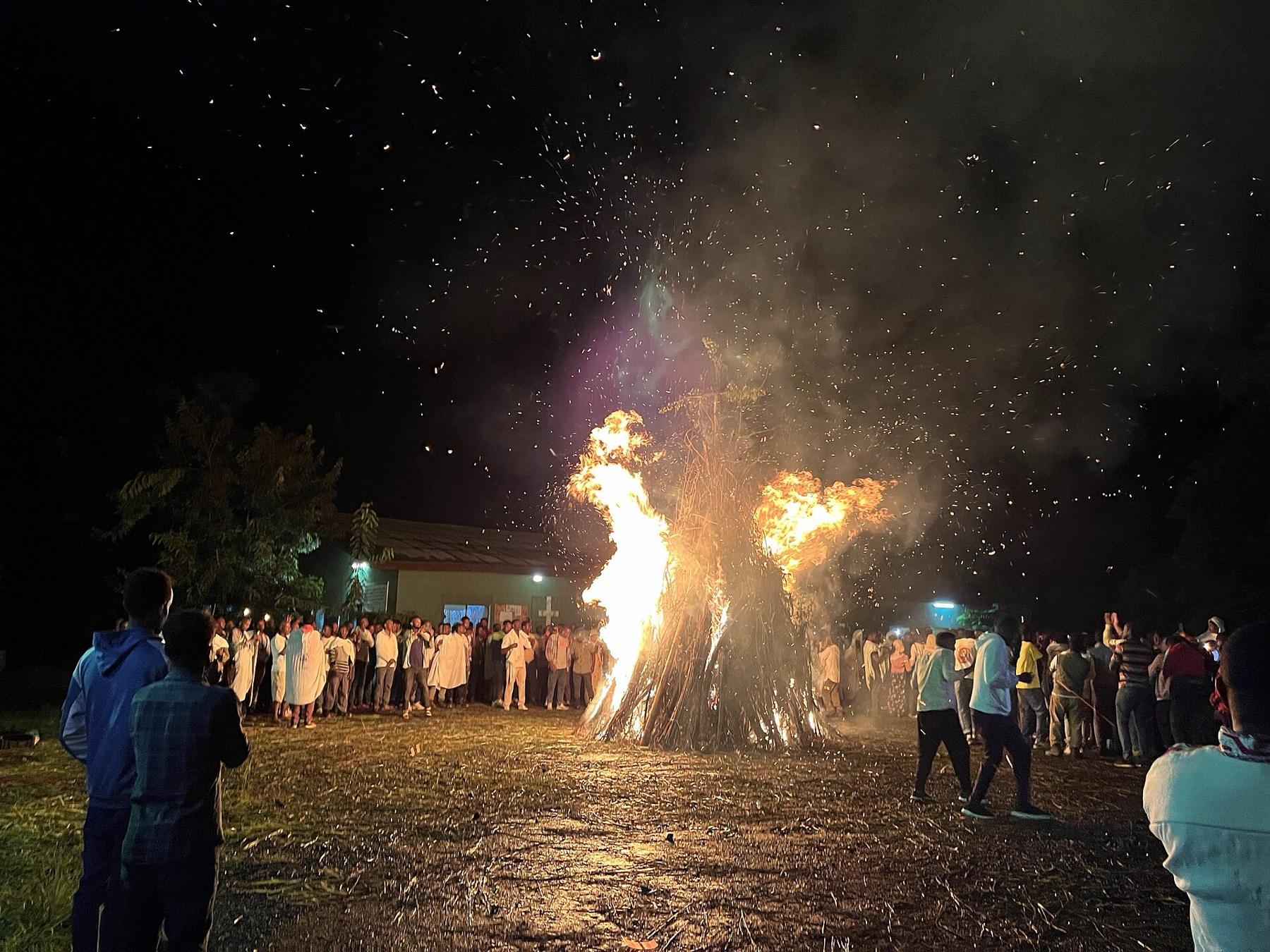
Meskel falls on 27 September, and the part you actually travel for happens the evening before. The demera, a tall conical bonfire, is lit at nightfall on 26 September in Meskel Square in Addis Ababa and in squares in towns across the country. In 2026 that puts the bonfire on Saturday evening and the feast on Sunday.
Book a hotel for the 26th and you see Meskel. Book for the 27th alone and you arrive to a city clearing up.
Meskel commemorates the finding of the True Cross. UNESCO added it to the Representative List of the Intangible Cultural Heritage of Humanity in 2013, describing a festival celebrated nationwide "regardless of age, gender, language or ethnicity" and functioning as an occasion for reconciliation and social cohesion.
The story behind the bonfire explains the bonfire. Queen Helena is said to have been told in a dream to light a fire, and the smoke showed her where the cross was buried. Every demera repeats that: the fire is lit, the smoke goes up, and the direction it falls is read by the crowd.
The Ethiopian date is 17 Meskerem, which lands on 27 September in most Gregorian years and 28 September in some. Ethiopia keeps its own calendar of thirteen months running seven to eight years behind the Gregorian one, and the leap years do not align, which is why the date can move by a day. Confirm the year you are travelling rather than assuming.
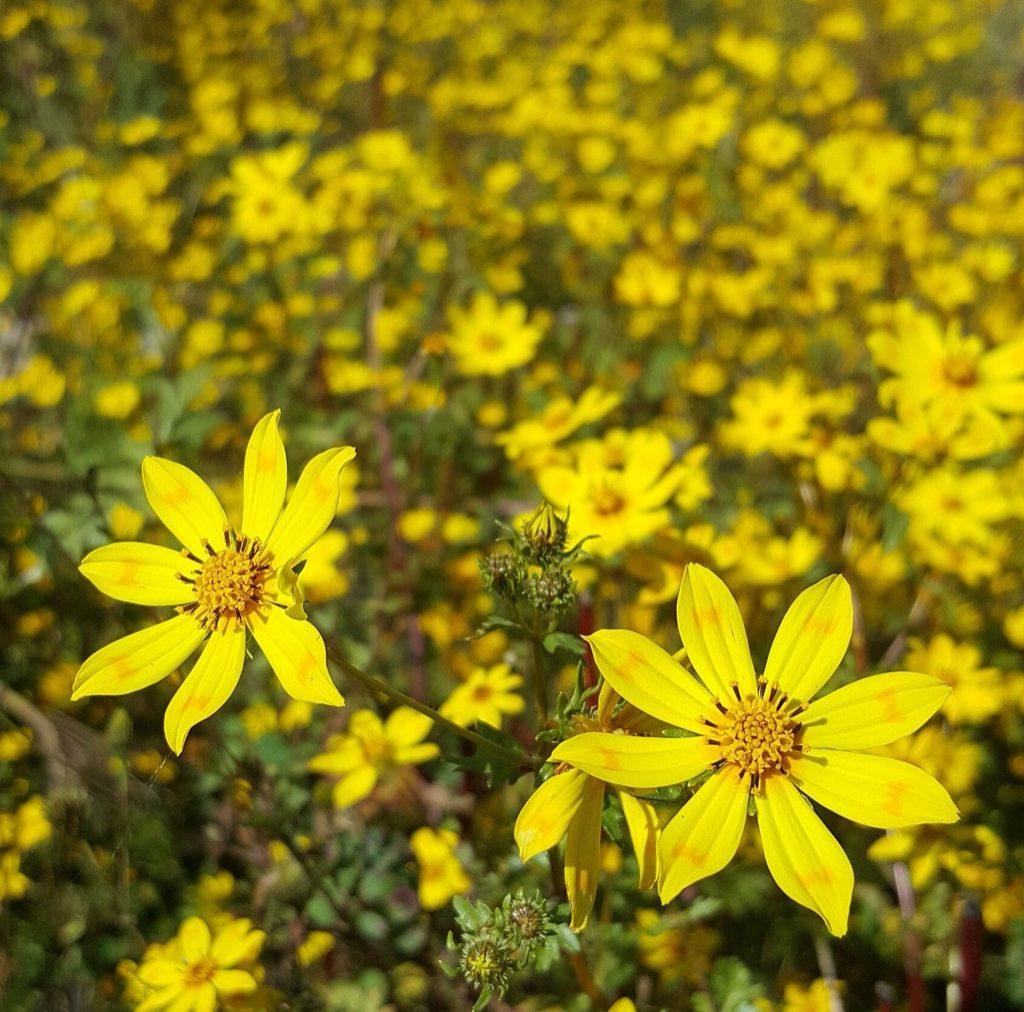
The demera is built in the days beforehand and it is worth seeing before it burns. UNESCO describes it as a conical pyre of poles surrounded by bundles of branches and torches, decorated with green grass and daisies. The yellow Meskel daisies that cover the highlands in late September are the same flower, and they are on the pyre, in people's hands and pinned to clothing.
On the evening itself, hundreds of thousands gather in Meskel Square. Priests in full vestments process around the pyre, chanting and performing the rhythmic dance particular to the Ethiopian Orthodox Tewahedo Church, and the patriarch lights it. The crowd is dense, good-natured and dressed largely in white.
Afterwards people collect charcoal from the remains and mark their foreheads with the shape of a cross. If you see that on the 27th, that is where it came from.
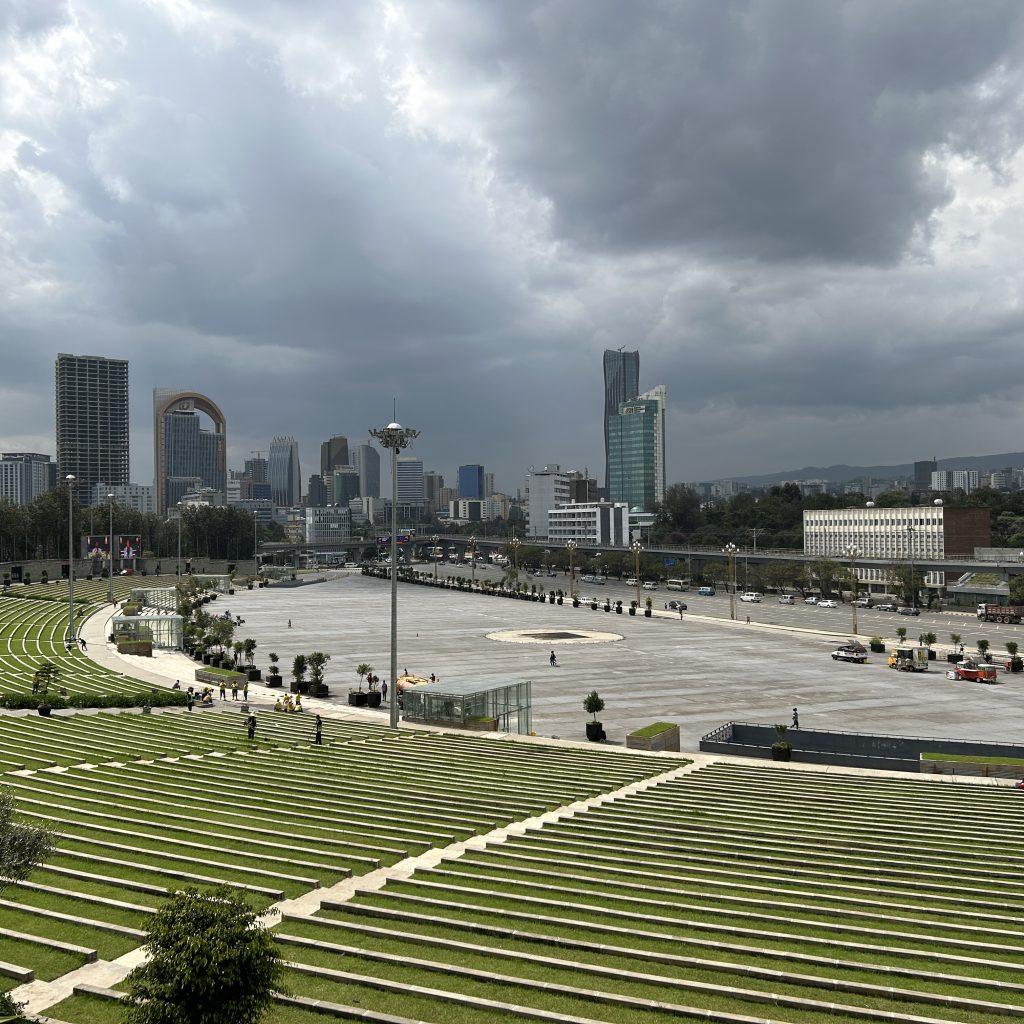
Addis Ababa, Meskel Square is the largest gathering and the one most visitors mean. The square is named for the festival. It sits in the middle of the city, so unlike Ethiopia's other great festivals you do not have to fly anywhere to attend: a visitor already in Addis Ababa can walk or take a short taxi ride to it.
Everywhere else. Meskel is national, not a capital-city event with regional copies. Smaller demeras are lit in squares and churchyards across the country on the same evening, and many Ethiopians who live in cities travel back to their home villages for it. If you are outside Addis Ababa on the 26th you will still see one.
Practical notes worth having. The ceremony runs into the evening and finishes after dark, so plan how you are getting back. Central roads around the square close or clog. Dress modestly if you intend to go near the religious part of the proceedings, with shoulders and knees covered. Ask your guide or hotel what time the procession is expected to reach the square, because it varies.
Meskel is the end of a good month rather than an isolated date, which is the part most itineraries miss.
The kiremt rains run from June to September and are finishing as Meskel arrives. The highlands are green, the light is clear, and the Meskel daisies are in flower along the roadsides. It is the visual opposite of the dusty end of the dry season, and it falls before the January festival peak fills Lalibela and Gondar.
Enkutatash, the Ethiopian new year, falls on 11 September, earlier in the same month. It is widely celebrated rather than concentrated in one place, so it does not pull crowds the way Meskel does, but it sets the tone for the month.
If you are choosing when to come, our guide to the best time to visit sets out what each season gives you, and the Ethiopian festival calendar has the dates for Genna, Timkat and Fasika alongside this one.
Meskel is in Addis Ababa, which makes it unusually easy to attach to something else. The festival takes one evening and one day. The rest of a week is yours.
The obvious pairing is the northern historic route, because late September has the weather for it: Lalibela, Gondar, the Simien Mountains and Lake Tana are all green and clear at that point in the year. Our Meskel Festival Tour is built that way: it puts you in Meskel Square for the demera on the eve, gives you the feast day in Addis Ababa, then flies north for the rest of the week.
If you would rather stay in the capital, our Addis Ababa city tour covers the city itself, and if you only have a day or two, the short stopover guide sets out what fits.
For the festival in the wider context of Ethiopian cultural life, our guide to cultural experiences covers the coffee ceremony and the other festivals on the UNESCO list. For the city, see Addis Ababa.
When is Meskel in 2026? Meskel falls on Sunday 27 September 2026, and the demera bonfire is lit on the evening of Saturday 26 September. The Ethiopian date is 17 Meskerem, which lands on 27 September in most years and 28 September in some, so confirm the date for any other year.
Which night is the bonfire? The eve, 26 September. This is the single most common mistake visitors make. The demera is lit at nightfall the evening before the feast day, so a hotel booking that starts on the 27th misses it.
Where is the best place to see Meskel? Meskel Square in Addis Ababa holds the largest gathering and is where the patriarch lights the demera. The festival is national, though, and smaller bonfires are lit in squares across the country on the same evening.
What is the demera made of? A conical pyre of poles surrounded by bundles of branches and torches, decorated with green grass and daisies. The yellow Meskel daisy that flowers across the highlands in late September is the same flower that decorates it.
Why is there a bonfire at all? Queen Helena is said to have been told in a dream to light a fire, and the smoke revealed where the True Cross was buried. The demera repeats that fire each year.
Is late September a good time to visit Ethiopia generally? Yes. The main kiremt rains end around then, so the highlands are green and the light is clear, and it falls outside the January festival peak when Lalibela and Gondar are at their busiest.
Do I need to be Orthodox to attend? No. Meskel is a public national festival and the square is open. Dress modestly near the religious part of the proceedings and follow your guide on where it is appropriate to stand.
Meskel is one evening with a hard date, which makes it the kind of trip where booking late costs you the thing you came for.
Tell us your dates and what else you want to see, and we will build the week around the 26th rather than around the 27th. You will have a reply within two hours and a detailed itinerary with a quote within 24 hours.
See the Meskel Festival Tour, or browse everything we run.
