---------------------------------
Address
Phone: +251 988 111 222
Need help or have a question?
Contact us at: info@driveethiopia.com
Addis Ababa, Ethiopia
---------------------------------
Address
Phone: +251 988 111 222
Need help or have a question?
Contact us at: info@driveethiopia.com
Addis Ababa, Ethiopia


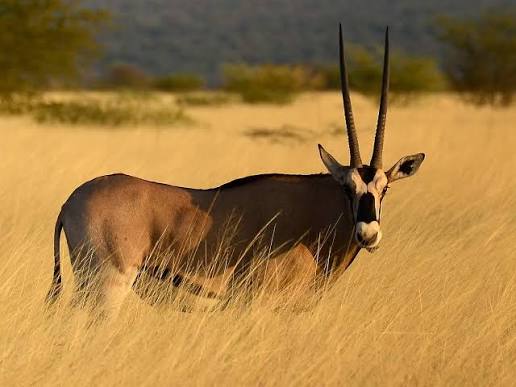
Savanna, a river gorge waterfall and a volcano east of Addis
Awash National Park is one of Ethiopia's oldest national parks, lying about 225 km east of Addis Ababa on the road to Harar and Dire Dawa. It protects savanna and acacia woodland around the Awash River gorge and waterfall, the Fantale volcano and the Filwoha hot springs, and is home to oryx, kudu, baboons and abundant birdlife.
Awash National Park is a savanna and semi-arid wildlife reserve straddling the Awash River in the northern Rift Valley, in the eastern lowlands of Ethiopia. Its landscape ranges from open grassland and acacia scrub to the dramatic Awash River gorge, where the river drops over a waterfall, and it is dominated to the north by the Fantale volcano, a broad extinct or dormant crater rising above the plain. At the park’s edge lie the Filwoha hot springs, fed by the same geothermal activity that shapes the region. It is one of the country’s earliest established national parks and a popular introduction to lowland savanna wildlife for travellers heading east.
Awash is the most accessible savanna park from Addis Ababa, and the natural choice for travellers who want big open landscapes and grazing wildlife without a long journey or a flight. It offers a genuine mix in a compact area: a waterfall and river gorge, a climbable volcanic crater with wide views, hot springs, and antelope such as beisa oryx and greater and lesser kudu on the plains. Birdlife is exceptional, with hundreds of species recorded across the river, gorge and savanna. Because it sits on the main road toward Harar and Dire Dawa, it also slots neatly into an eastern itinerary rather than requiring a dedicated detour.
Awash was established as a national park in the second half of the twentieth century, among the first in Ethiopia, to protect the savanna wildlife and the striking landscape around the Awash River. The wider Awash valley is of major scientific importance in human origins research: the Middle Awash and Hadar areas downstream of the park have produced some of the world’s most significant early hominin fossils. Within the park, the meeting of the active Rift, the Fantale volcano and geothermal springs reflects the same tectonic forces splitting the region apart. Pastoralist communities, including Afar and Kereyu herders, have long used the surrounding lands, and grazing pressure remains part of the park’s management story.
The park packs varied attractions into a short visit. Do not miss:
The dry season from roughly October to February is the most comfortable and reliable time, with animals concentrating near water and tracks in good condition. The lowland savanna is hot year-round and becomes very hot before the rains, so early-morning and late-afternoon game drives are best. The rains, mainly from March to April and again around June to September, green the landscape and boost birdlife but can make some tracks difficult.
| Period | What to expect |
|---|---|
| October to February | Dry and best for game drives; still hot at midday |
| March to May | Very hot; short rains possible, fewer visitors |
| June to September | Main rains; lush and good for birds, some muddy tracks |
Awash National Park lies about 225 km east of Addis Ababa on the main paved road toward Awash town, Harar and Dire Dawa. The drive is along a major highway, so access is straightforward by private vehicle, and the park is a common first or last stop on an eastern trip. Public buses and minibuses run the corridor to Awash town near the park gate, but a private vehicle is far more practical for game drives inside the park, which has rough internal tracks. Drive Ethiopia can arrange a suitable 4×4 with a driver. Exact drive times depend on traffic and roadworks, so confirm them close to travel.
A full day lets you see the falls, gorge and some savanna, but an overnight stay gives you the cooler early-morning and late-afternoon hours when wildlife is most active and allows time for Fantale and Filwoha. Combined with Harar further east, the park fits well into a two to four day eastern loop.
| Trip type | Suggested time |
|---|---|
| Day trip / quick stop | 1 day |
| Wildlife-focused visit | 2 days with an overnight |
| Part of an eastern loop | 1 to 2 days en route to Harar |
Awash Falls Lodge sits inside the park above the falls, in tukuls built from traditional materials, and its sister property Doho Lodge and Hot Springs is near Metehara in doum palm forest looking across to Mount Fentale. Simpler camping and caravan sites operate within or near the park, and there are basic hotels in nearby Awash town. Staying inside or close to the park lets you be on the plains at dawn. Confirm current rates and book ahead in the dry-season high period. Bring what you need, as supplies inside the park are limited.
Pack for heat and dust: light, breathable clothing in neutral colours, a wide-brimmed hat, strong sun protection and plenty of water. Binoculars are essential for the antelope and the exceptional birdlife, and a zoom lens helps for photography. Sturdy shoes suit the Fantale hike, and a swimsuit is handy for Filwoha. Bring insect repellent, a basic first-aid kit and cash in small notes for fees, as card payment is not available in the park.
Awash is a wildlife park in a lowland pastoralist region, so follow ranger guidance at all times. Keep your distance from baboons, hippos and crocodiles along the river, and never leave your vehicle where advised against it. An armed scout is commonly required for the Fantale and Filwoha areas and should be taken seriously rather than treated as a formality. The eastern lowlands have at times seen inter-communal tensions, so local conditions can change; check your government’s current travel advisory before you travel and take current local advice.
The park sits on the road to Harar Jugol, the historic walled city with its hyena feeding tradition; the two pair naturally on an eastern loop. To the south and west, the Rift Valley Lakes offer more birding and lakeside relaxation, and the Bale Mountains further south add highland wildlife and Afroalpine scenery. A typical route runs Addis Ababa to Awash for savanna and the falls, then onward to Harar, returning the same way or continuing to Dire Dawa.
Awash National Park is about 225 km east of Addis Ababa on the main paved road toward Harar and Dire Dawa. The drive is along a major highway, though exact drive times vary with traffic and roadworks.
The savanna supports beisa oryx, greater and lesser kudu, Soemmerring's gazelle, warthog, baboons and other antelope, along with hippos and crocodiles by the river. Birdlife is exceptional, with a very long species list across the gorge, river and acacia woodland.
Yes, Fantale is a broad volcanic crater within the park that you can drive toward and hike for wide views over the plains and its steam vents. An armed scout is commonly required for this area, so arrange one at the gate and confirm the current fee.
A full day covers the falls, gorge and some savanna, but an overnight stay lets you use the cooler dawn and dusk hours when wildlife is most active and gives time for Fantale and the Filwoha hot springs.
Yes, the park charges an entrance fee, usually per person, plus separate vehicle and armed-scout charges. Rates change, so confirm current prices at the gate or with your operator before you travel.
The park itself is a well-established destination, but it lies in the eastern lowlands where inter-communal tensions have occurred at times. Follow ranger guidance, keep clear of hippos and crocodiles, and check your government's current travel advisory before you travel.
The dry season from roughly October to February is the most comfortable, with animals near water and tracks in good condition. It is hot year-round, so plan game drives for early morning and late afternoon.
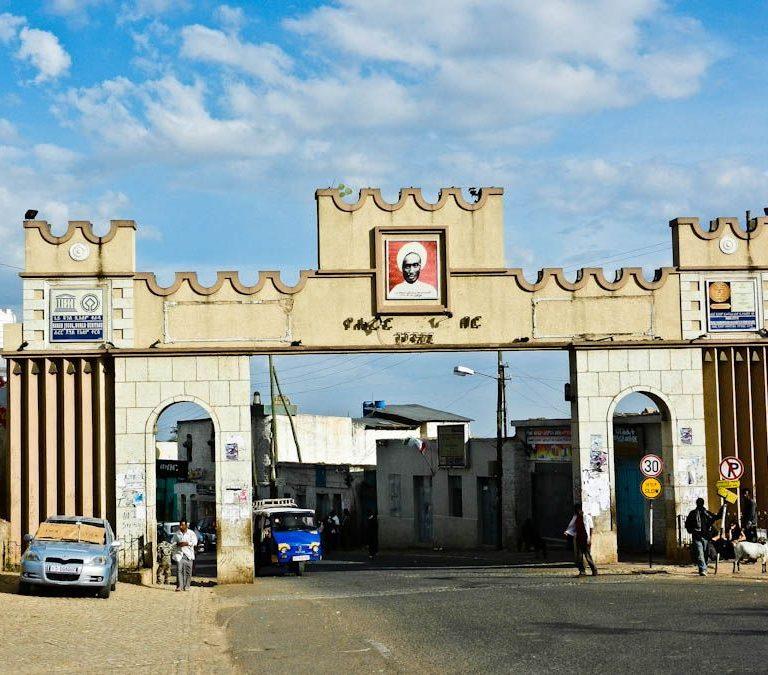
A walled old town in eastern Ethiopia, a UNESCO-listed holy city.
Read More about Harar Jugol →A chain of lakes south of Addis for birding and weekend escapes
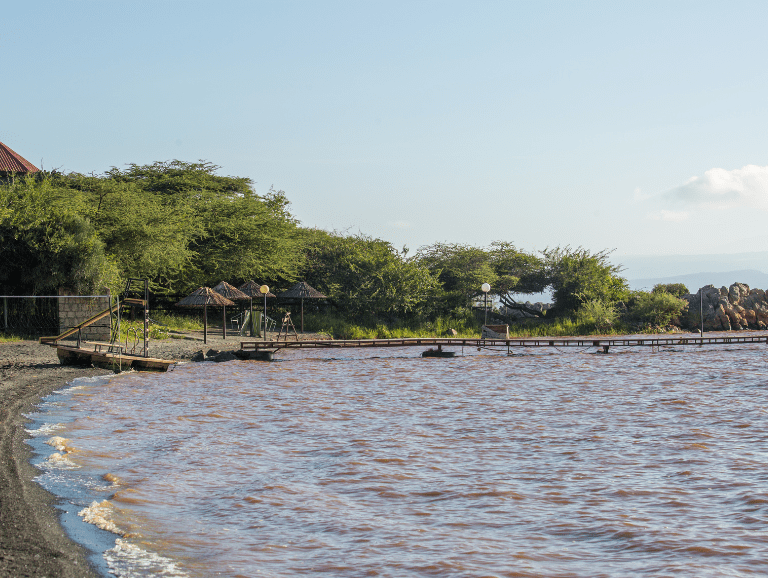
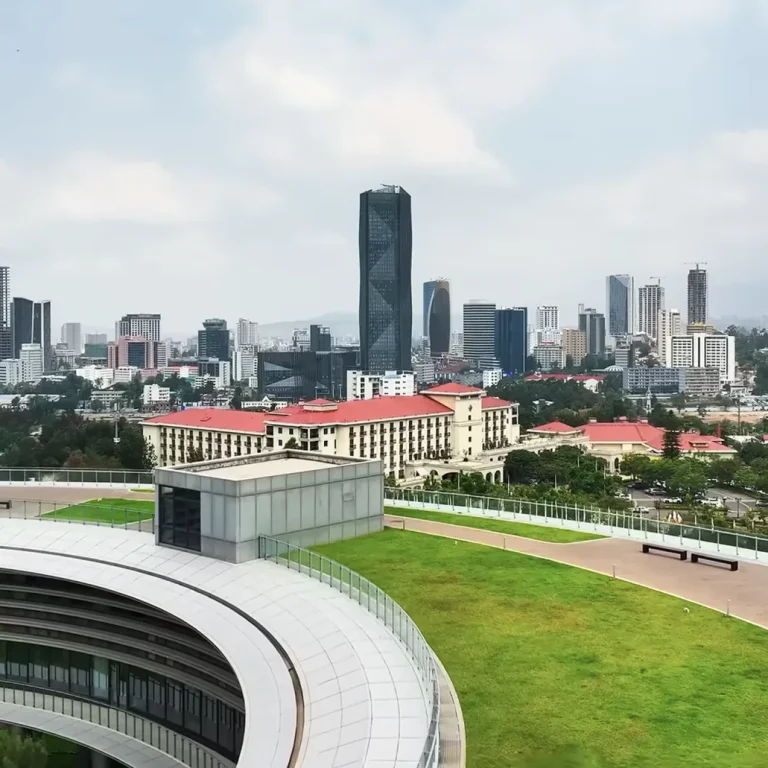
Read More about Rift Valley Lakes →Ethiopia's high-altitude capital, home to Lucy and the gateway to every trip.
Read More about Addis Ababa →Afroalpine plateau and the best place on earth to see Ethiopian wolves.
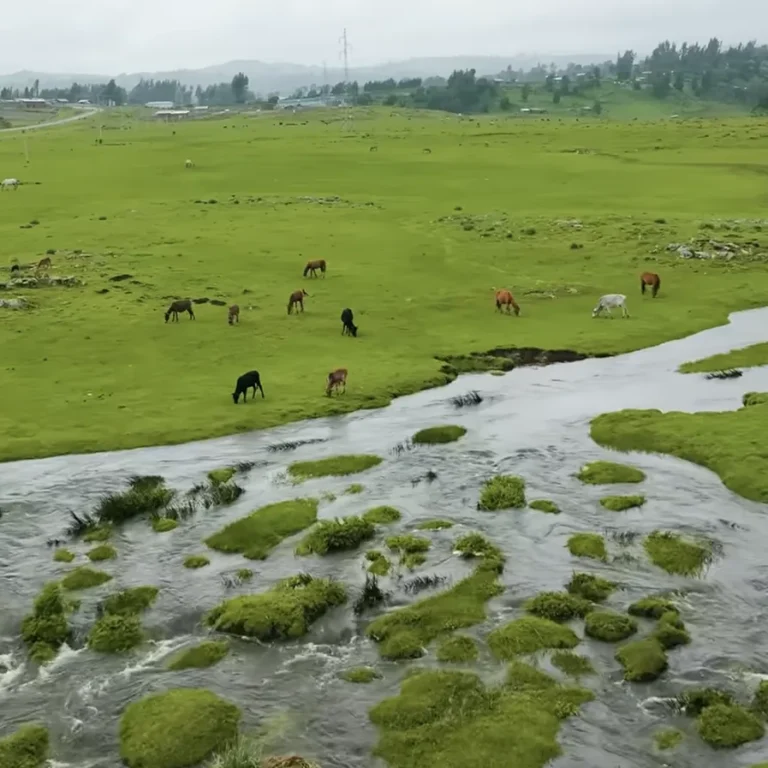
Read More about Bale Mountains National Park →