---------------------------------
Address
Phone: +251 988 111 222
Need help or have a question?
Contact us at: info@driveethiopia.com
Addis Ababa, Ethiopia
---------------------------------
Address
Phone: +251 988 111 222
Need help or have a question?
Contact us at: info@driveethiopia.com
Addis Ababa, Ethiopia


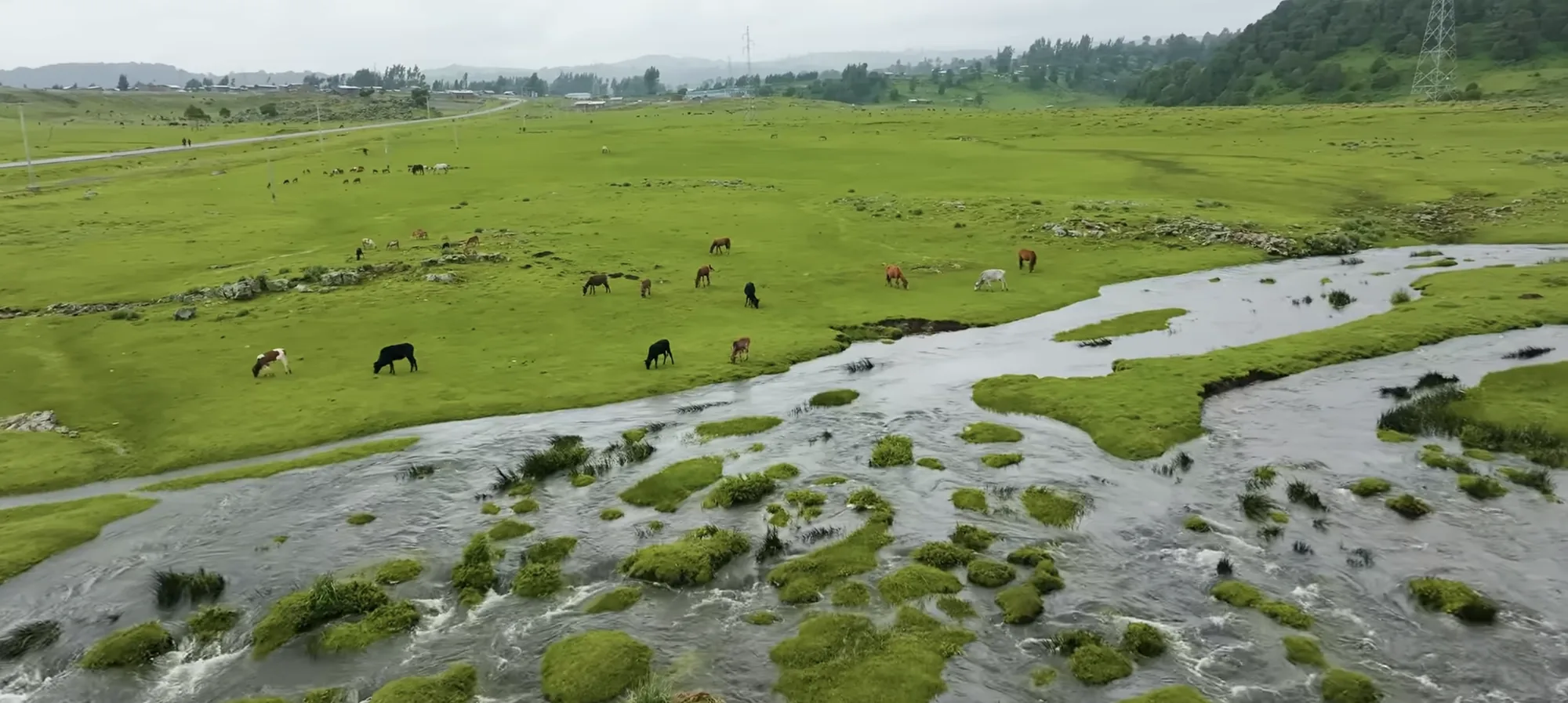
Afroalpine plateau and the best place on earth to see Ethiopian wolves.
Bale Mountains National Park is a highland reserve in southern Ethiopia, roughly 400 kilometres south-east of Addis Ababa. It protects the Sanetti Plateau, one of the largest tracts of Afroalpine habitat in Africa, and offers the best chance anywhere of seeing the endemic Ethiopian wolf, alongside mountain nyala and the Harenna Forest.
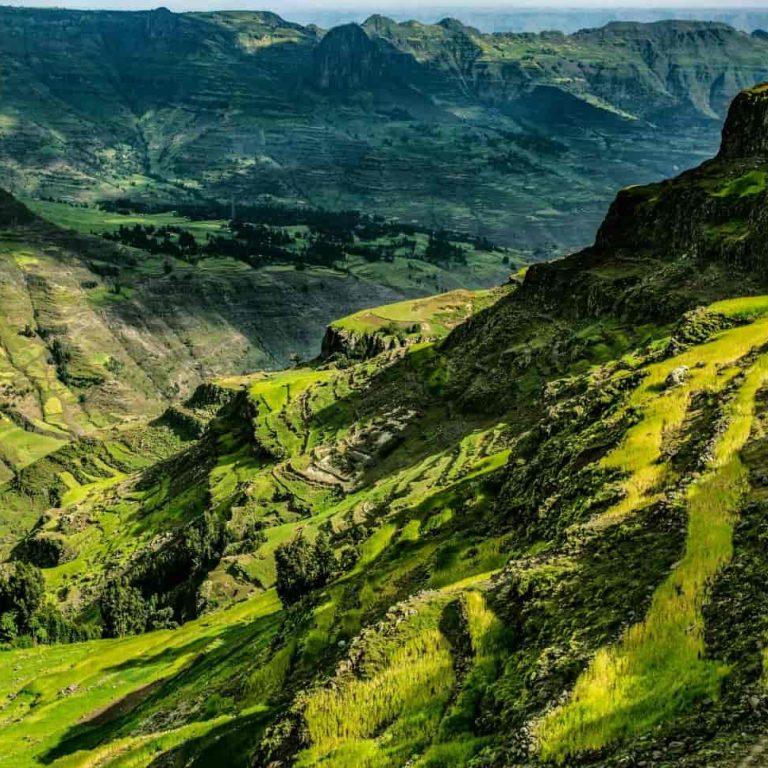
Bale Mountains National Park covers a range of high plateaux, moorland and forest in the Oromia region of southern Ethiopia. Its centrepiece is the Sanetti Plateau, an Afroalpine moorland that climbs above 4,000 metres and includes Tullu Dimtu, at roughly 4,377 metres one of the highest points in the country. On the southern side, the plateau drops into the lush Harenna Forest, so the park holds an unusual range of habitats within a short distance. The park is best known for its endemic wildlife, particularly the Ethiopian wolf and the mountain nyala.
Bale is the single best place on the planet to see the Ethiopian wolf, the rarest canid in the world, which hunts giant mole-rats across the open moorland of the Sanetti Plateau. Sightings are common enough that many visitors spot one within a day. The park is also a stronghold for the mountain nyala, an antelope found only in the Ethiopian highlands, and it draws birders for its long list of highland and forest species, several of them endemic. Add the drama of driving across Africa’s highest all-weather road and the contrast of moorland and rainforest, and Bale offers a very different side of Ethiopia from the northern historical route.
The park was established in the late 1960s and early 1970s to protect the mountain nyala and the wider Afroalpine ecosystem. The Sanetti Plateau and the surrounding moorland form part of one of the largest continuous areas of this rare habitat in Africa, which is why the park is central to conservation of the Ethiopian wolf. Local Oromo communities have long grazed livestock and gathered forest products on the fringes of the range, and balancing these livelihoods with wildlife protection remains part of the park’s ongoing work. The Harenna Forest to the south is also known for wild forest coffee.
Bale mixes wildlife watching, high-altitude drives and trekking. The main things to do are:
The dry season from roughly November to March offers the clearest skies, the best plateau driving conditions and reliable wildlife viewing. The main rains fall from around June to September, when the plateau can be cold, wet and misty, and forest tracks turn muddy. Wolves can be seen year-round, but visibility and access are far easier in the dry months. Whenever you go, expect cold nights and the possibility of frost or even snow at the highest elevations.
| Period | What to expect |
|---|---|
| November to March | Dry, clear and cold; the best time for wolf viewing and plateau drives. |
| April to May | Short rains and greener moorland; changeable conditions. |
| June to September | Main rains; cold, misty plateau and muddy forest tracks. |
Bale Mountains National Park lies roughly 400 kilometres south-east of Addis Ababa, and most visitors reach it by road via the towns of Goba and Dinsho, where the park headquarters sits. The drive from the capital takes the better part of a long day, so many trips break the journey overnight or combine it with the Rift Valley lakes on the way. A domestic flight to a regional airport can shorten the road time for part of the route. For the plateau and forest tracks, a sturdy vehicle with good clearance is important, and Drive Ethiopia can arrange a suitable 4×4 with a driver.
A focused visit of two nights lets you explore the Dinsho grounds, drive the Sanetti Plateau for wolves and dip into the Harenna Forest. Three or more nights suits trekkers, birders and anyone wanting to explore the different habitats at a slower pace. Because the drive from Addis Ababa is long, plan travel days at each end rather than trying to see the park in a single rushed visit.
| Trip type | Suggested time |
|---|---|
| Wildlife highlights | 2 nights (Dinsho, Sanetti, Harenna) |
| Birding or trekking focus | 3 to 4 nights |
| Combined with Rift Valley | 5 to 7 days with travel and lakes |
Bale Mountain Lodge sits in the Katcha clearing deep in the Harenna Forest, with eleven rooms, wood-burning stoves and a resident naturalist, and is the most comfortable option in the area. In town, Wabe Shebelle Hotel in Goba is the usual fallback, roughly 40 minutes from Dinsho in one direction and the Angesso park entrance and Sanetti Plateau in the other. Budget and mid-range rooms are available in Goba, Robe and at Dinsho, and community-run camps at Sodota and Rira take campers. Staying close to Dinsho or on the southern side of the plateau reduces early-morning driving to reach the wolves. Confirm current availability and rates before you book.
Bale is cold, especially on the plateau and at night, so pack warm layers, a windproof and waterproof jacket, gloves, a hat and a warm sleeping bag if you camp. Days can be sunny and deceptively strong at altitude, so bring sunscreen, sunglasses and lip balm. Sturdy walking boots suit the moorland and forest, and binoculars greatly improve wolf and bird watching. If you are trekking, add trekking poles and enough warm kit for freezing nights.
The main risks in Bale are environmental rather than anything else: high altitude, cold and rapidly changing mountain weather. Ascend gradually, keep warm and dry, and do not underestimate how quickly conditions can turn on the plateau. Regional security conditions in Ethiopia can vary and change over time, so check your government’s current travel advisory before you travel and follow local guidance and your operator’s advice on arrival. Using park scouts and an experienced driver for the high tracks adds an important margin of safety.
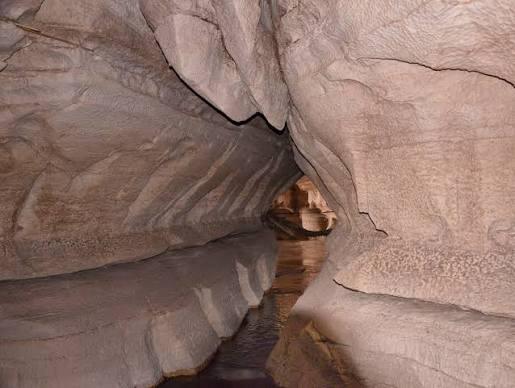
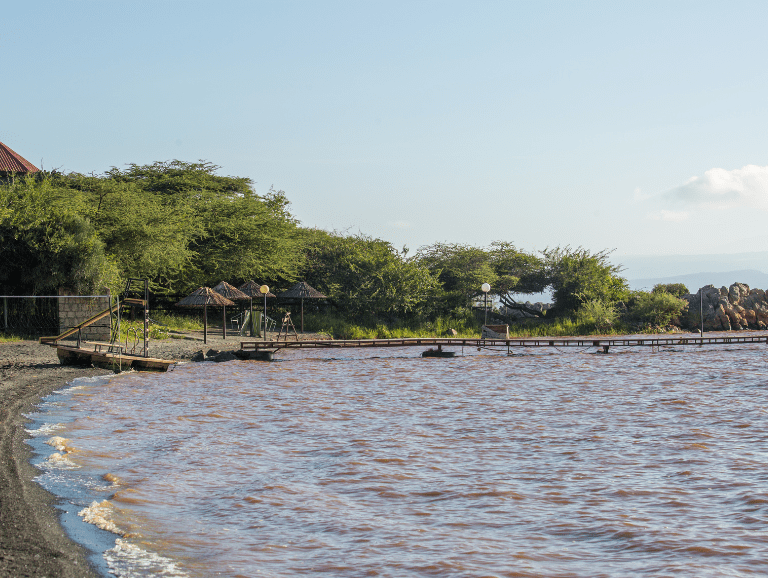
Bale pairs naturally with several southern highlights. The Sof Omar Caves, one of the longest cave systems in Africa carved by the Web River, lie within reach to the east and make a strong add-on. On the drive to and from Addis Ababa, the Rift Valley lakes offer easy birding and lakeside stops. Travellers with more time continue south-west towards Arba Minch, or link Bale with Awash National Park for a broader wildlife loop. A typical plan runs Addis Ababa, the Rift Valley lakes, Bale for two or three nights, then Sof Omar before returning north.
It is best known as the finest place in the world to see the endemic Ethiopian wolf, which hunts across the high Sanetti Plateau. It is also a stronghold for the mountain nyala and a major destination for highland birding and trekking.
The Sanetti Plateau inside Bale Mountains National Park offers the best chance anywhere of seeing Ethiopian wolves. Early morning drives across the moorland give the highest odds of a sighting.
Bale lies roughly 400 kilometres south-east of Addis Ababa and is usually reached by road via Goba and Dinsho, taking most of a long day. Some travellers shorten the journey with a domestic flight for part of the route. Exact drive and flight details should be verified.
Two nights covers the main wildlife highlights of Dinsho, the Sanetti Plateau and the Harenna Forest. Birders and trekkers usually want three or more nights to explore the different habitats.
The dry season from November to March offers the clearest skies and the best plateau conditions for wolf viewing. The main rains from June to September bring cold, misty weather and muddy forest tracks.
The Sanetti Plateau climbs above 4,000 metres and includes Tullu Dimtu at roughly 4,377 metres, one of the highest points in Ethiopia. Expect cold temperatures and the effects of altitude, so ascend gradually.
The main hazards are altitude, cold and fast-changing mountain weather, so come prepared and use park scouts. Regional conditions can change, so check your government's current travel advisory before you travel and follow local guidance on arrival.
One of Africa's longest cave systems, carved by the Weyib River in Bale.
Read More about Sof Omar Caves →A chain of lakes south of Addis for birding and weekend escapes
Read More about Rift Valley Lakes →Twin Rift Valley lakes, giant crocodiles and the gateway to the south.
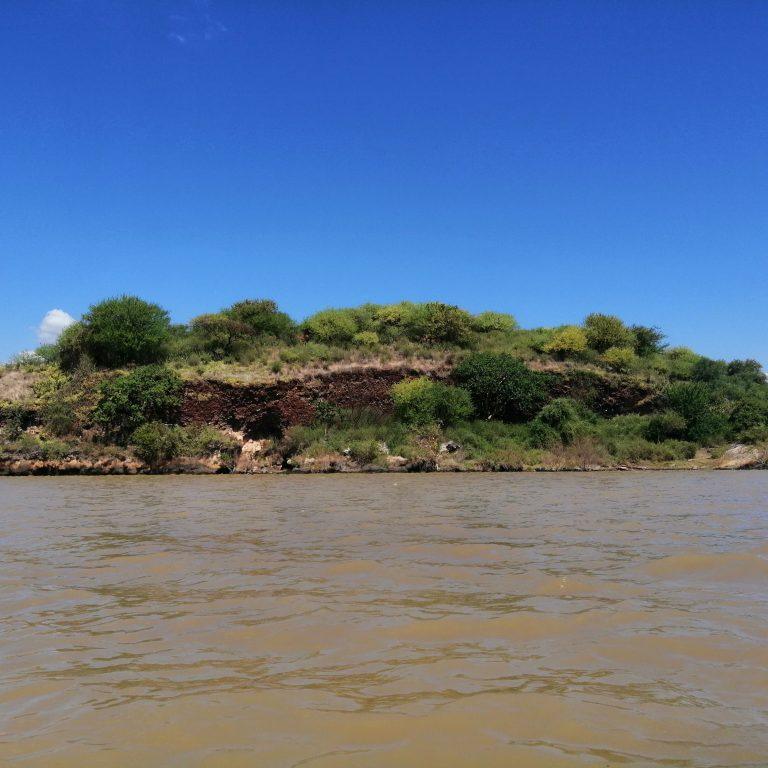
Read More about Arba Minch →Savanna, a river gorge waterfall and a volcano east of Addis
Read More about Awash National Park →