---------------------------------
Address
Phone: +251 988 111 222
Need help or have a question?
Contact us at: info@driveethiopia.com
Addis Ababa, Ethiopia
---------------------------------
Address
Phone: +251 988 111 222
Need help or have a question?
Contact us at: info@driveethiopia.com
Addis Ababa, Ethiopia


Ethiopia's holy city of 11 medieval churches carved down into living rock.
Lalibela is a town in northern Ethiopia's Amhara region famous for 11 medieval churches carved downward into solid volcanic rock in the 12th and 13th centuries. A UNESCO World Heritage Site and a living centre of Ethiopian Orthodox worship, it is one of the country's holiest pilgrimage destinations.
The churches sit in two main clusters linked by a maze of trenches, tunnels and drainage channels, plus one free-standing masterpiece. Rather than being built up from blocks, each was cut top-down out of the bedrock, then hollowed into a working interior with pillars, windows and carved reliefs. The most photographed is Bete Giyorgis, the cross-shaped Church of St. George, sunk into a deep pit of its own.
Lalibela is not a ruin or a museum. Priests still hold daily services, pilgrims wrapped in white cotton fill the courtyards, and the churches have been in continuous use for roughly 800 years. The town sits at around 2,500 metres in the highlands, which keeps the climate cool and the light sharp.
Plenty of places have old churches. Lalibela is different because the site is alive: you share the passages with barefoot pilgrims and hear chanting drift out of candle-lit interiors at dawn. The scale of the work is hard to absorb until you stand at the lip of a 12-metre trench and realise the entire building below was quarried by hand.
It also rewards more than a single walk-through. You can attend an early-morning mass, hike to a monastery on the ridge above town, and take a half-day trip to a cave church hidden in the mountains. For anyone interested in history, faith, engineering or simply extraordinary places, Lalibela is the anchor of Ethiopia’s northern Historic Route.
The churches are traditionally credited to King Gebre Mesqel Lalibela of the Zagwe dynasty, who ruled around the late 12th and early 13th centuries. After Muslim expansion made pilgrimage to Jerusalem difficult for Ethiopian Christians, Lalibela is said to have set out to build a “New Jerusalem” in the highlands, and several local names, such as the River Jordan that runs through the site, echo the holy city.
Ethiopian tradition holds that angels helped complete the work, a measure of how astonishing the achievement seemed even at the time. The complex was recognised as a UNESCO World Heritage Site in 1978, among the first places anywhere to be listed. Today the Ethiopian Orthodox Tewahedo Church maintains the churches and the pilgrimage traditions around them.
Give yourself time to move slowly; the site rewards it.
The dry months from October to March give the clearest skies and the easiest footing on the rock. The single most dramatic day is Genna (Ethiopian Christmas) on 7 January, when tens of thousands of pilgrims descend on the town. It is unforgettable, but book accommodation and flights months ahead. The main rains fall from June to September, turning the highlands green but making some trails muddy.
| Period | What to expect |
|---|---|
| October – March | Dry season, clear skies; best overall for walking the churches |
| 7 January (Genna) | Ethiopian Christmas; huge pilgrimage; spectacular but very busy, book far ahead |
| June – September | Main rains; green landscapes and fewer visitors, some muddy trails |
Flying is by far the easiest option. Ethiopian Airlines connects Addis Ababa to Lalibela on the domestic Historic Route (which also serves Bahir Dar, Gondar and Axum), with a flight time of roughly one hour. Confirm current frequency, schedule and fares with the airline.
Lalibela’s airport sits outside town, so you’ll need a transfer or a pre-arranged pickup for the final stretch. Driving from Addis Ababa is possible but long: a demanding two-day trip of roughly 640 km through the highlands via Dessie or Weldiya. Most visitors fly in and use Lalibela as one stop on a wider northern loop.
The churches themselves can be seen in one to two days, but adding the ridge monastery and a cave-church day trip makes three days comfortable. Photographers and anyone visiting around a festival should allow a little more.
| Trip type | Suggested time |
|---|---|
| Churches only | 1–2 full days |
| Churches + Asheton Maryam / Yemrehanna Kristos | 3 days |
| Festival, photography or relaxed pace | 3–4 days |
Lalibela has a wide spread of places to stay, from simple family-run guesthouses in town to a handful of higher-end lodges perched on the escarpment with long views over the valley. Maribela Hotel sits about ten minutes north of the centre with room verandas facing the valleys, Sora Lodge has tukul rooms on the same escarpment line, and Tukul Village is a cluster of stone-walled thatched huts a ten to fifteen minute walk from the rock-hewn churches. Mountain View Hotel and Top Twelve Hotel occupy similar hilltop positions. Most of the comfortable options are a short drive or walk from the churches. Around Genna and the Easter period, rooms fill months in advance and prices rise, so book early, and confirm current rates directly with the property.
Footwear matters most: you’ll cross uneven rock, steep stone steps and dark tunnels, so wear sturdy shoes with grip. You remove your shoes before entering each church, so slip-on styles and clean socks make life easier. Dress modestly out of respect: cover shoulders and knees. Mornings at 2,500 metres are cool, so pack layers, plus sun protection for the middle of the day. A small torch helps in the connecting tunnels, and carry some cash in birr for tickets, tips and small purchases.
Lalibela is a long-established pilgrimage and tourism town and visitors are generally made very welcome. Take the usual precautions with valuables in crowds, especially during festivals. The bigger practical risks are physical: watch your footing on steep, worn steps and in low tunnels, and give yourself time to adjust to the altitude. Security conditions in the wider Amhara region can change, so check your government’s current travel advisories close to your travel date and follow local guidance.
Several worthwhile sites sit within reach of Lalibela for day or half-day trips: the cave church of Yemrehanna Kristos, the ridge monastery of Asheton Maryam, and the nearby church of Nakuto La’ab. Most travellers fold Lalibela into Ethiopia’s northern Historic Route, combining it with the royal city of Gondar, the ancient capital of Axum, and a trek in the Simien Mountains. A typical loop runs Bahir Dar & Lake Tana → Gondar → Simien → Lalibela → Axum, all linked by short domestic flights.
There are 11 rock-hewn churches, arranged in two main clusters and linked by trenches and tunnels, plus the free-standing cross-shaped Bete Giyorgis (Church of St. George).
They were carved from the top down out of a single mass of volcanic rock, then hollowed out inside to create pillars, windows and rooms. This is why they sit below ground level rather than standing on it.
One to two full days is enough for the churches themselves. Add a third day if you want to hike to Asheton Maryam or visit the cave church of Yemrehanna Kristos.
October to March offers dry, clear weather. For atmosphere, visit around Genna (Ethiopian Christmas) on 7 January, when thousands of pilgrims gather, but book well ahead as the town fills up.
The easiest way is a domestic flight with Ethiopian Airlines, taking roughly an hour. Driving is possible but is a long two-day trip through the highlands. Confirm current flight schedules and fares with the airline before you book.
A guide is not compulsory but is strongly recommended. The layout, symbolism and history of the site are difficult to appreciate without one, and licensed guides can be arranged at the ticket office or through a tour operator.
Lalibela is a long-established tourism and pilgrimage town where visitors are generally very welcome. Take normal precautions in crowds, watch your footing on steep steps, and check your government's current travel advisory for the Amhara region before you travel.
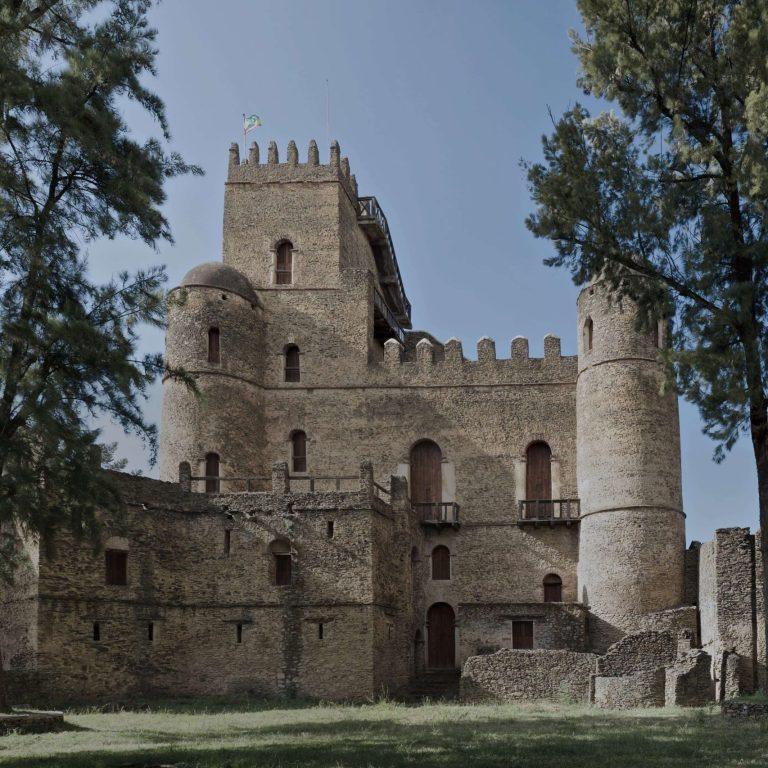
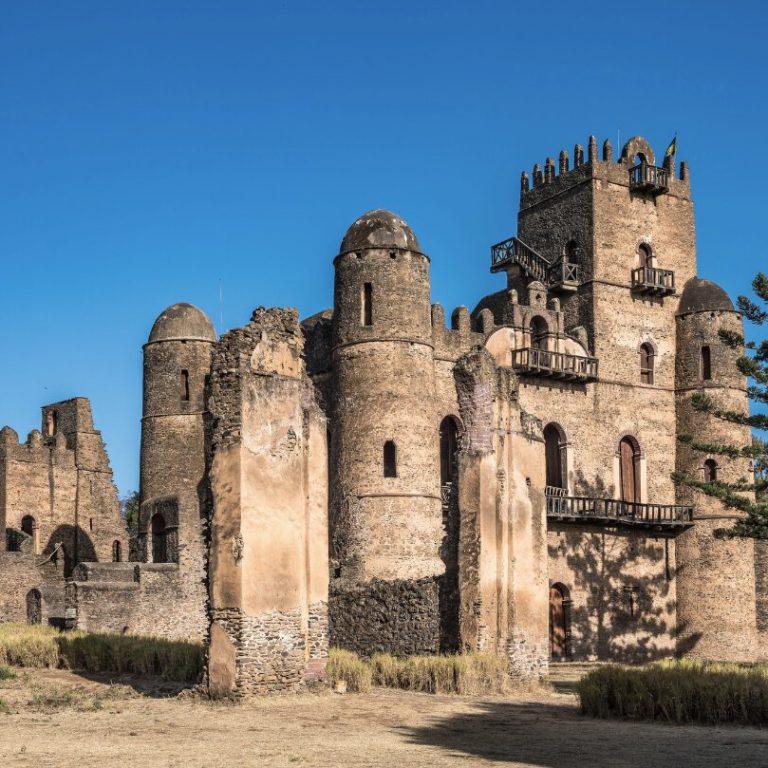
A 17th-century imperial capital of stone castles, churches and Timkat crowds.
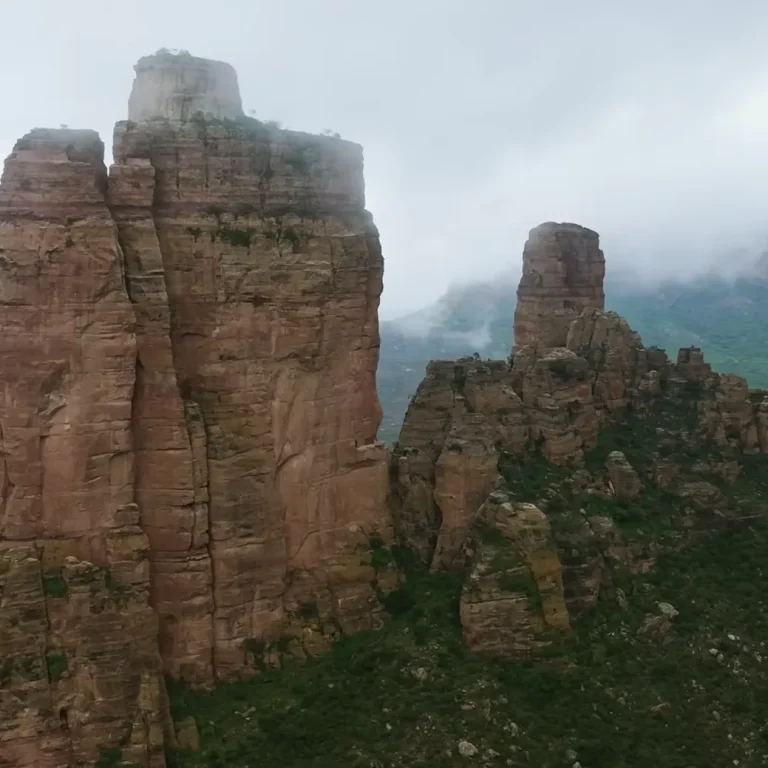
Read More about Gondar →Cliff-top rock-hewn churches and sandstone towers in Ethiopia's Tigray region.
Read More about Gheralta →Jagged escarpment peaks, gelada troops and Ethiopia's highest summit, Ras Dashen.
Read More about Simien Mountains National Park →