---------------------------------
Address
Phone: +251 988 111 222
Need help or have a question?
Contact us at: info@driveethiopia.com
Addis Ababa, Ethiopia
---------------------------------
Address
Phone: +251 988 111 222
Need help or have a question?
Contact us at: info@driveethiopia.com
Addis Ababa, Ethiopia


Ten steps in the order they actually need doing. Region before dates, the visa site that is not an agent, and the cash limit nobody mentions until the airport.

Planning an Ethiopian trip goes wrong in a predictable order. People pick dates before they pick a region, discover the two halves of the country have different rainy seasons, and end up somewhere wet. Or they book a visa through a site that is not the government and pay a markup for it.
Ten steps below, in the order they actually need doing. Each one ends with the thing to do next.
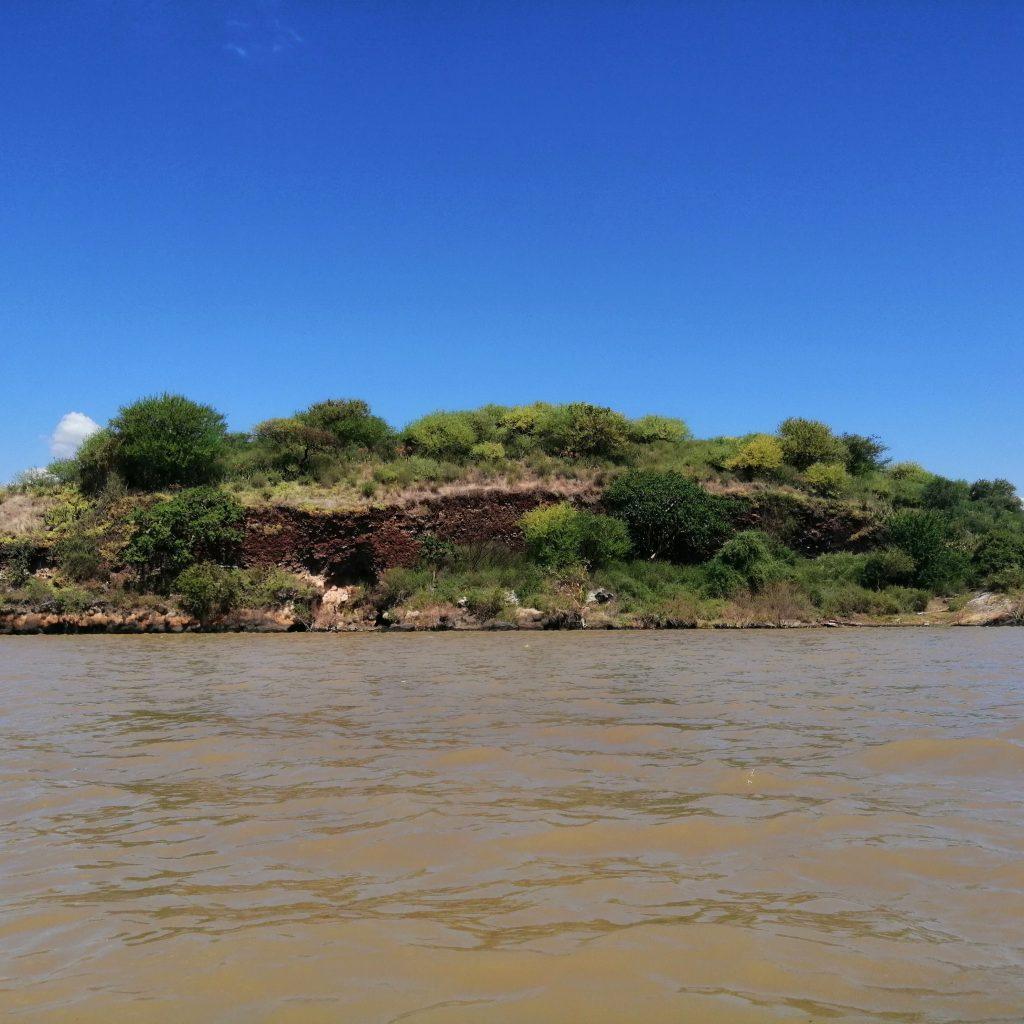
Do this before anything else, because it determines your month, not the other way round.
Ethiopian itineraries run north or south. The north is the historic circuit: rock-hewn churches, castles, the Simien escarpment. The south is the Rift Valley lakes, the Omo Valley and the endemic wildlife. They do not combine well in under two weeks.
If you are torn between the headline sights, our Lalibela, Simien or Danakil comparison sets the three biggest against each other by difficulty and days needed.
Next: pick a region, not a list of places.
January and February are the only two months that fall outside every rainy season in both halves of the country.
Ethiopia runs two rainfall calendars. The cropping highlands get the belg rains March to May and the main kiremt rains June to September. The southern pastoral areas get the gu rains March to May and the deyr rains October to December.
That is why the usual advice of "October to February" is incomplete. October and November are dry in Lalibela and wet in the far south at the same time. Our best time to visit guide has the month-by-month table.
Next: check whether your month collides with a festival, which is either the reason to go or the reason beds are full.
Seven days covers one half of the country properly. It does not cover both.
A week does the southern loop or the northern historic circuit. Ten days lets the south add the Bale Mountains without rushing. Two weeks opens the endemic birding circuit or a proper north-plus-Danakil combination.
Our 7-day southern itinerary is a real worked example rather than a route drawn on a map.
Next: fix the number of days before you price anything, because days drive cost more than anything else.
The only official Ethiopian visa site is evisa.gov.et. Check the address bar for .gov.et before entering a passport number or a card.
Search "Ethiopia visa" and page one fills with sites carrying names like ethiopiaevisa and evisaethiopia. They are agents. They submit to the same portal you could use yourself and add a service fee on top of the government fee.
We are not quoting the current fee, because published figures disagree with each other and that is exactly the reason to read it off the official portal on the day you apply. Visa on arrival exists for some nationalities at some airports and the eligibility changes, so applying online a few working days ahead removes the question.
Next: apply once your dates are fixed, and keep the approval where you can reach it offline.
Addis Ababa is Ethiopian Airlines' hub, which is why getting there is usually easier than people expect.
The northern circuit normally involves internal flights between Addis, Bahir Dar, Lalibela and Gondar. The southern circuit is driven, which means no domestic connections to miss. That difference matters more than it sounds when something runs late.
Next: book internationals first, then internal flights, then the ground arrangements around them.
Yellow fever depends on where you are flying from, not on Ethiopia. Malaria depends on altitude.
The UK's National Travel Health Network and Centre states that a yellow fever certificate is required from travellers over 9 months of age arriving from a country with risk of yellow fever transmission, and from anyone who has transited more than 12 hours through an airport in one. A direct flight from Europe or North America does not normally trigger it. A West or Central African connection can.
On malaria, NaTHNaC puts high risk below 2,000 metres and states there is no risk in Addis Ababa or above 2,000 metres. So the answer depends on your route, not on the country. The highlands sit above the line; the Omo Valley, the Rift Valley floor and the Danakil do not.
Altitude illness becomes a consideration above 2,500 metres, which the Simien and Bale highlands both exceed.
Next: take your actual route, with its altitudes, to a travel clinic. Do not ask them about "Ethiopia".
You may carry a maximum of 3,000 Ethiopian birr per trip, in or out.
That limit is set in Article 22.6.1 of the National Bank of Ethiopia's Foreign Exchange Directive, and Ethiopian Airlines publishes it to passengers directly. It rises to 10,000 birr for travel to Djibouti or other neighbouring port cities. Carrying more than the equivalent of USD 10,000 in any currency requires a customs declaration on arrival. Foreign nationals not resident in Ethiopia may hold foreign currency for the validity of their visa.
Bring cash and treat cards as a bonus. Card acceptance concentrates in Addis hotels and larger restaurants and thins quickly outside the capital.
Next: plan to arrive with foreign currency and change it in the country, rather than sourcing birr at home.
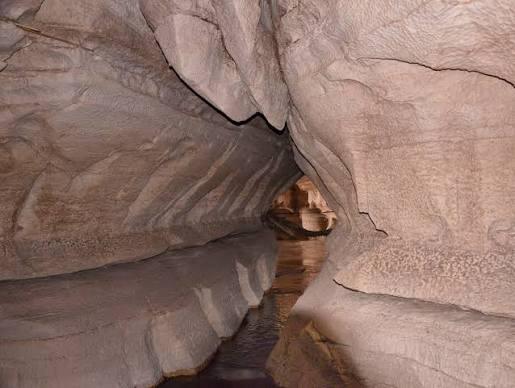
Most visitors take a vehicle with a driver, and on the southern circuit a 4×4 is not optional.
Distances are long and the interesting places are not close together. Roads out of Addis are largely surfaced and deteriorate the further you go. The legs around Mago National Park, Turmi and the Borena tracks are not saloon-car ground.
There is a licence question too. A foreign licence is valid only for a short period before an Ethiopian one is needed, so self-drive is more complicated than it looks for anything beyond a short trip.
We do car rental across Ethiopia both self-drive and with a driver.
Next: confirm the vehicle class against your actual route, not against the country.
Addis Ababa has full-service hotels. From Jinka south, and in the Danakil, it is basic or it is camping.
We are not going to recommend specific properties here, because we do not publish hotel reviews and a stale recommendation is worse than none. What matters at the planning stage is the shape of it: comfortable in Addis and the main towns, simple in the smaller ones, and genuinely rough in the Danakil, where every night is camping with no running water.
Book well ahead if your dates touch a major festival. Lalibela at Genna and Timkat, and Gondar at Timkat, are the two genuine pinch points in the Ethiopian year.
Next: ask whoever is arranging your ground transport what the accommodation actually is on each night, rather than assuming.
Buy a SIM at the Ethio Telecom desk in arrivals and bring your passport, because registration is required by law.
Expect to hand the passport over and have a photo or fingerprint taken at the counter. eSIM coverage for Ethiopia is thin, so do not assume your usual provider handles it.
Two last things that catch people out. The Ethiopian calendar runs seven to eight years behind the Gregorian one and has thirteen months. And the clock counts hours from dawn, so local time can run six hours out from what your phone says. When you agree a pickup, confirm which clock you are both using. Our first-time visitor guide covers both properly.
Next: confirm every pickup time in your own reckoning, in writing.
| When | What |
|---|---|
| First | Choose north or south |
| Then | Pick the month, checking both rainy seasons |
| Then | Fix the number of days |
| 3+ weeks out | Apply at evisa.gov.et, and nowhere else |
| 3+ weeks out | Book international flights, then internal ones |
| 4-6 weeks out | Travel clinic, with your route and its altitudes |
| 2 weeks out | Confirm vehicle class and driver |
| 2 weeks out | Confirm accommodation night by night |
| Before you fly | Foreign currency, and the 3,000 birr limit noted |
| On arrival | SIM at the Ethio Telecom desk, passport in hand |
How do I plan a trip to Ethiopia?
Choose north or south first, because that determines which month works. Then fix your number of days, apply for the visa at evisa.gov.et, book flights, see a travel clinic with your specific route and altitudes, and arrange ground transport with a 4×4 and driver. Ethiopia has two separate rainy seasons, so picking dates before picking a region is the most common planning mistake.
How far in advance should I plan a trip to Ethiopia?
Allow at least four to six weeks. The visa is applied for online with a few working days of processing, but vaccinations may need scheduling, and accommodation around Genna and Timkat in January books out well ahead in Lalibela and Gondar.
Do I need a visa to visit Ethiopia?
Most nationalities do. Apply through the official government portal at evisa.gov.et, which is open to citizens of every country. Visa on arrival exists for some nationalities at some airports but eligibility changes, so applying online in advance is more reliable. Avoid the agent sites that dominate search results, as they charge a fee on top of the government one.
How much cash can I bring into Ethiopia?
A maximum of 3,000 Ethiopian birr per trip in or out, under Article 22.6.1 of the National Bank of Ethiopia's Foreign Exchange Directive. Foreign currency above the equivalent of USD 10,000 must be declared to customs. Bring foreign currency and change it in the country.
Do I need a tour operator for Ethiopia?
Not legally, but most visitors use one for ground transport. Distances are long, a 4×4 is necessary on the southern circuit, and a foreign driving licence is valid only briefly before an Ethiopian one is required. Independent travel is possible and slower.
When is the best time to plan the trip for?
January or February if you want the whole country dry at once. These are the only two months outside every rainy season in both the cropping highlands and the southern pastoral areas. October to February works for the north alone; June to September is dry in the south while the highlands are in the kiremt rains.
Which half of the country, and which month. Everything else follows from those, and getting them the wrong way round is what produces a wet trip or a rushed one.
Tell us roughly when you can travel and what you most want to see, and we will tell you honestly whether the two fit together before you book anything. We reply within a maximum of two hours, and you will have a detailed itinerary and a quote within 24 hours. Our Ethiopia tours and the destination guides are the place to browse, and the 25 things to do list is the fastest way to work out what you actually want.
