---------------------------------
Address
Phone: +251 988 111 222
Need help or have a question?
Contact us at: info@driveethiopia.com
Addis Ababa, Ethiopia
---------------------------------
Address
Phone: +251 988 111 222
Need help or have a question?
Contact us at: info@driveethiopia.com
Addis Ababa, Ethiopia


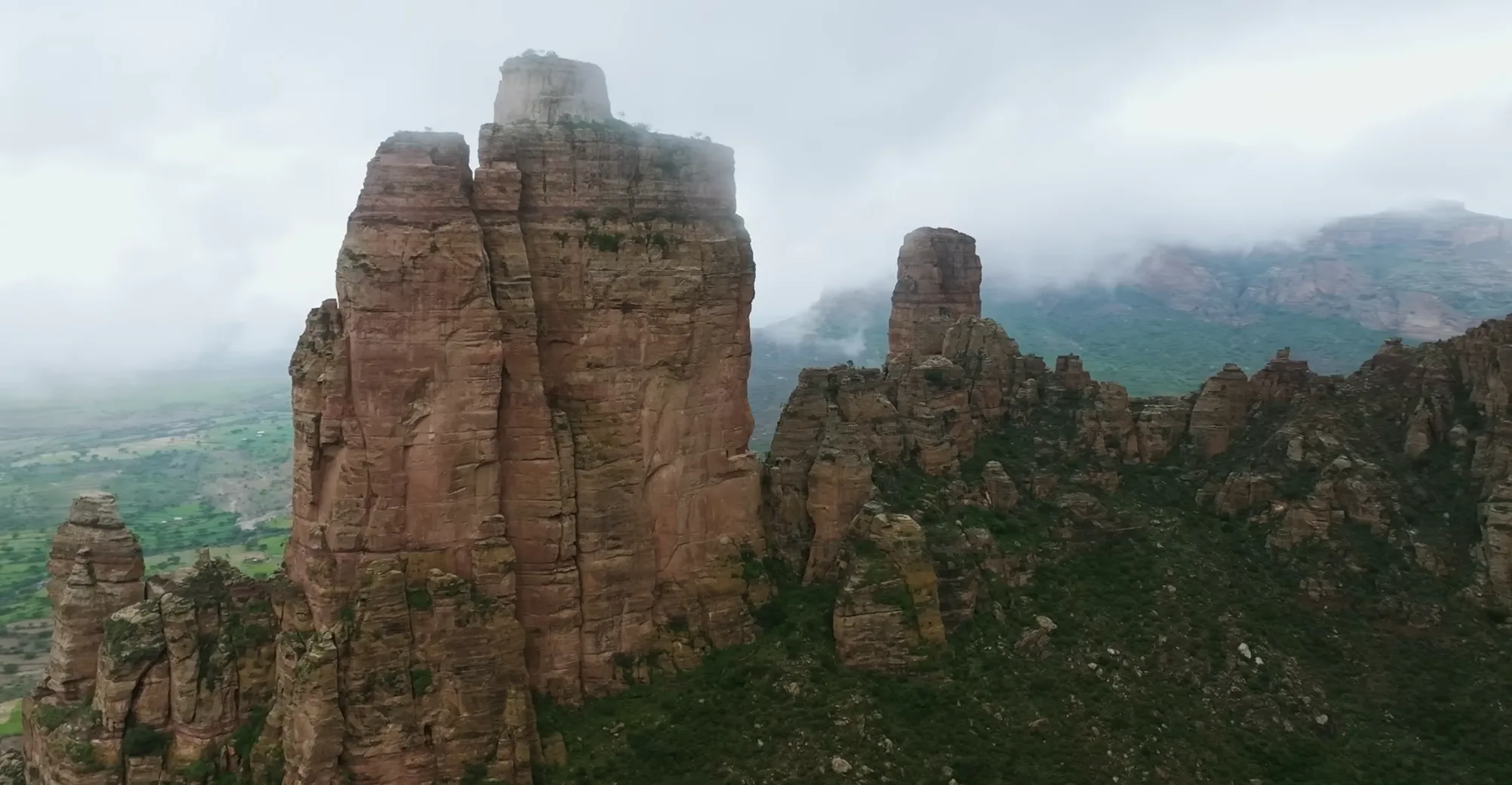
Cliff-top rock-hewn churches and sandstone towers in Ethiopia's Tigray region.
Gheralta is a range of sandstone mountains in the Tigray region of northern Ethiopia, famous for its cliff-top rock-hewn churches. Reached by scrambling and climbing, churches such as Abuna Yemata Guh and Maryam Korkor sit high in the rock, set among dramatic towers, escarpments and scenic valley lodges.
Gheralta, also spelled Geralta, is a cluster of rugged sandstone massifs and pinnacles in Ethiopia’s Tigray region, north of the regional capital. The area is best known for its collection of ancient rock-hewn churches carved into cliffs and rock faces, many of them still in daily use by Orthodox communities. Unlike the more famous churches of Lalibela, which are cut down into the ground, the Gheralta churches are typically perched high on the rock and reached by steep paths, ledges and, in some cases, near-vertical climbs. The scenery of red towers and wide plains is a destination in its own right.
Gheralta appeals to travellers who want adventure alongside history. Reaching a church such as Abuna Yemata Guh involves a genuine scramble up bare rock and along an exposed ledge, and the reward is a small painted sanctuary with centuries-old frescoes and enormous views over the plains. For those less keen on heights, gentler churches and superb hiking still make the area worthwhile. The scenery of sandstone towers glowing at sunrise and sunset is among the finest in the country, and a handful of well-placed lodges make Gheralta a comfortable base for a few days in Tigray.
Many of the Gheralta churches are attributed to the early centuries of Ethiopian Christianity, with construction and decoration spanning a long period and traditions linking some to saints and priests of the first millennium. Their remote, elevated positions likely offered both spiritual seclusion and protection. Inside, several preserve old wall paintings, carved columns and ancient religious manuscripts, tended by resident priests. The region sits within historic Tigray, close to the ancient civilisation centred on Axum, so Gheralta forms part of a wider northern heartland of early Ethiopian faith and culture.
Gheralta is about climbing to churches and walking among the rock towers. Highlights include:
The dry season from around October to April gives the safest conditions for climbing and scrambling, with firm rock and clear views. The main rains from June to September can make the exposed routes slippery and dangerous, and are best avoided for the harder climbs. Days are warm to hot on the plains and cooler up on the rock, so an early start makes the ascents more comfortable. Clear dry-season light also makes the towers especially striking at dawn and dusk.
| Period | What to expect |
|---|---|
| October to April | Dry, firm rock and clear views; the best time for climbs and hikes. |
| May | Hot and dry, building towards the rains; comfortable early starts. |
| June to September | Main rains; slippery rock makes exposed climbs risky and best avoided. |
Gheralta lies in the Tigray region of northern Ethiopia, north of the regional capital and within reach of the ancient city of Axum. Most visitors reach it by road as part of a northern circuit, driving between the historical towns, with the churches spread across the massif and accessed from village trailheads. Historically, travellers have flown into a regional airport in the north and continued by road, though air access and conditions in Tigray can change. Because the trailheads are rural and scattered, a private vehicle with a driver is the practical way to explore, and Drive Ethiopia can arrange this.
Two nights in Gheralta gives you time for one demanding climb, such as Abuna Yemata Guh, plus a gentler church and some hiking, without rushing the exposed sections. Three nights lets you add more churches, longer walks and unhurried mornings for photography. A single night is enough only for one church and a taste of the scenery, which underplays what the area offers.
| Trip type | Suggested time |
|---|---|
| Taster visit | 1 night (one church, scenery) |
| Highlights | 2 nights (a hard climb plus a gentler church) |
| In-depth | 3 nights (several churches, hiking, photography) |
Gheralta is known for a small number of scenic lodges set among the rock towers, with comfortable rooms and long views, alongside simpler guesthouses in nearby towns such as Hawzien. Gheralta Lodge sits on the Megab road just over a kilometre south of Hawzien, in stone bungalows across a four-hectare site facing the mountains. Korkor Lodge is in Megab village on the Wukro road, and Wukro Eco Lodge is a cheaper base about 45km from Mekele. Vision Hotel in Hawzien itself is the simple in-town option. Staying within the massif puts you close to the trailheads and lets you catch the best light at each end of the day. Because conditions in the region can shift, confirm opening status and rates directly before you plan around a particular property.
Bring sturdy shoes or trainers with good grip for the rock, as the climbs are done without technical gear and rely on your footing. Light, breathable clothing suits the warm plains, with a layer for cooler heights and early starts. Carry plenty of water, sun protection and a hat, since the ascents are exposed. Modest dress is required at the churches, and you will need to remove your shoes to enter. A daypack, a head for heights and a camera round out the essentials.
The climbs at Gheralta, especially Abuna Yemata Guh, involve real exposure on bare rock with steep drops, so they are not suitable for anyone uncomfortable with heights, and children and less mobile visitors should stick to the gentler churches. Always use a local guide and scout on the harder routes. Beyond the terrain, security conditions in the Tigray region have changed over recent years and can vary, so check your government’s current travel advisory before you travel and confirm access locally before committing.
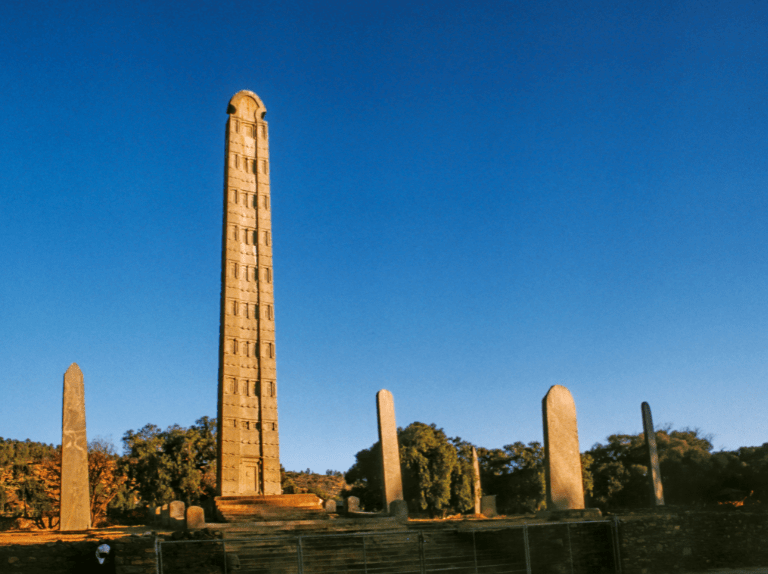
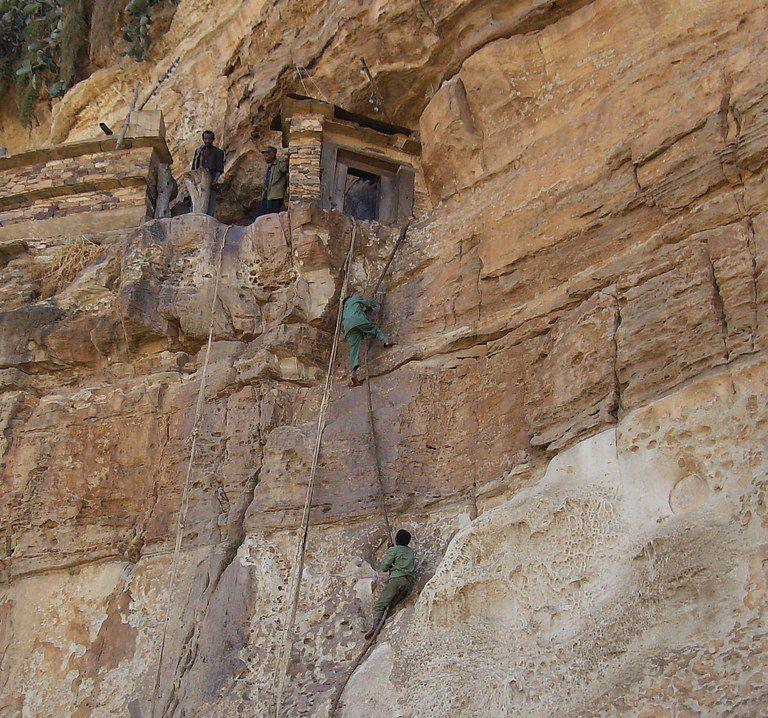
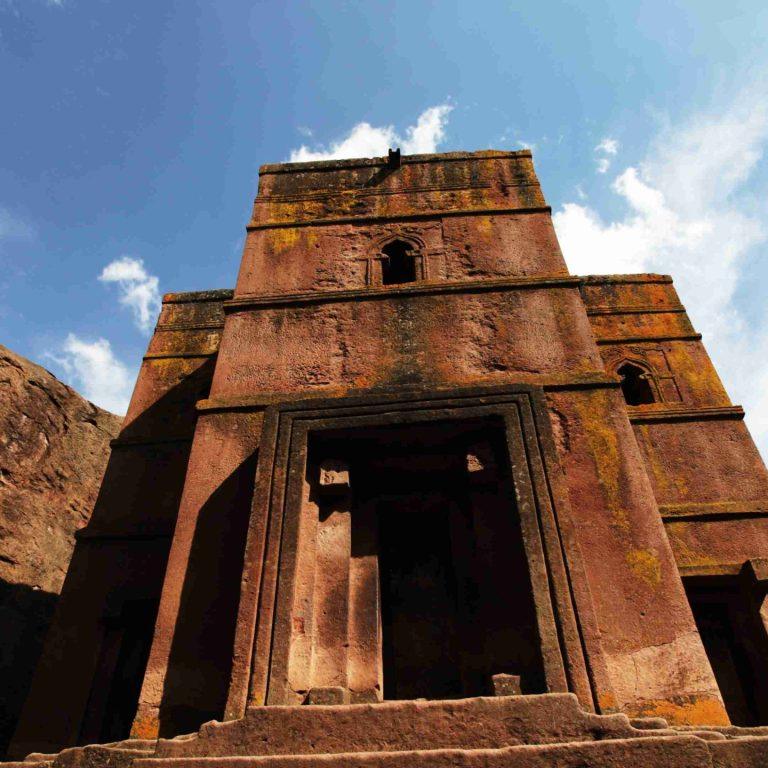
Gheralta sits within the historic north, so it combines well with several major sites. Axum, the seat of an ancient civilisation with its famous stelae, lies to the west and is a natural pairing. The cliff-top monastery of Debre Damo, reached by rope, is another Tigrayan highlight nearby. Further afield, travellers link the north with the searing Danakil Depression to the east or with the rock churches of Lalibela to the south. A classic route threads Axum, Gheralta and Debre Damo before continuing south towards Lalibela, though regional access should be checked first.
Gheralta, also spelled Geralta, is famous for its cliff-top rock-hewn churches in Tigray, such as Abuna Yemata Guh and Maryam Korkor, set among dramatic sandstone towers. It combines ancient painted churches with adventurous climbing and superb scenery.
The ascent to Abuna Yemata Guh involves a near-vertical rock climb without technical gear and an exposed ledge with steep drops. It is only suitable for those comfortable with heights, and a local scout is essential.
Yes. Several Gheralta churches are reached by steep but non-technical hikes rather than vertical climbs, so visitors uncomfortable with exposure can still see rock-hewn churches and enjoy the scenery. Ask your guide to choose a gentler route.
Gheralta lies in Tigray in northern Ethiopia and is usually reached by road as part of a northern circuit, often via Axum. Air access to the region and local conditions can change, so verify current flight and road options before travelling.
The dry season from October to April offers firm rock, clear views and the safest climbing conditions. The main rains from June to September make the exposed routes slippery and are best avoided for the harder climbs.
Two nights lets you tackle one demanding climb plus a gentler church and some hiking. Three nights suits anyone wanting to see several churches, walk more and enjoy the light for photography.
The climbs carry real risk from exposure and heights, so use guides and scouts and choose routes to match your ability. Security in the Tigray region has changed in recent years, so check your government's current travel advisory before you travel and confirm access locally.
We do not run a scheduled tour to Gheralta yet. Tell us your dates and we will build one around it.
Ask for an itinerary See all Ethiopia tours → Or rent a car in Ethiopia →
Cliff-top Tigray monastery reached only by climbing a rope up sheer rock.
Read More about Debre Damo →Neon sulphur springs, salt flats and a lava lake in Earth's hottest lowland.
Read More about Danakil Depression →Ethiopia's holy city of 11 medieval churches carved down into living rock.
Read More about Lalibela →