---------------------------------
Address
Phone: +251 988 111 222
Need help or have a question?
Contact us at: info@driveethiopia.com
Addis Ababa, Ethiopia
---------------------------------
Address
Phone: +251 988 111 222
Need help or have a question?
Contact us at: info@driveethiopia.com
Addis Ababa, Ethiopia


Neon sulphur springs, salt flats and a lava lake in Earth's hottest lowland.
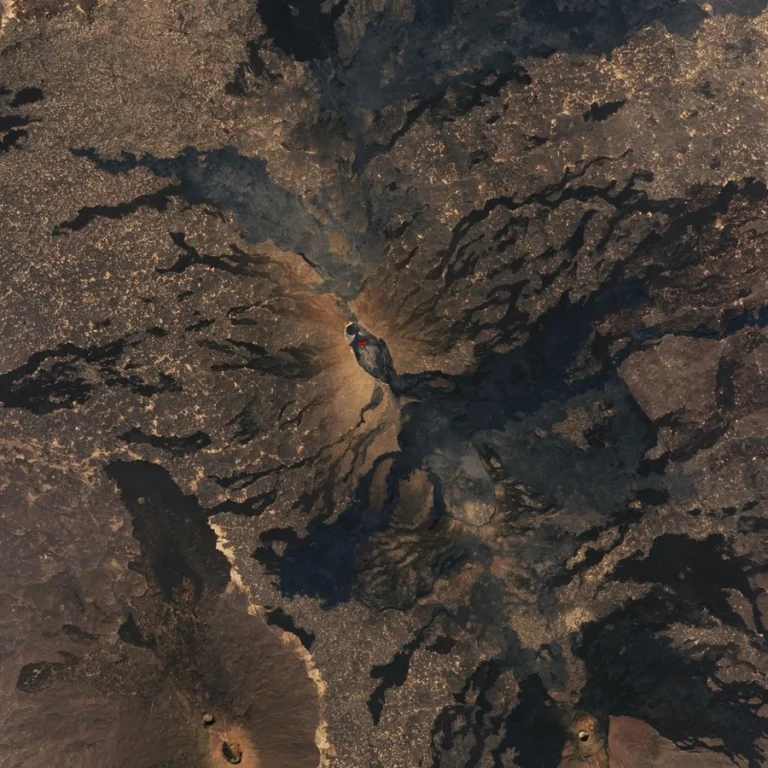
The Danakil Depression is a low-lying geological basin in the Afar region of northeastern Ethiopia, among the hottest and lowest places on Earth at more than 100 metres below sea level. It contains the Dallol sulphur springs, vast salt flats, and the Erta Ale volcano with its persistent lava lake, in a landscape shaped by tectonic rifting.
The Danakil Depression sits in the Afar Triangle, where three tectonic plates are slowly pulling apart, dropping the land far below sea level and exposing raw volcanic and mineral geology. Temperatures here are extreme, with daytime heat routinely among the highest recorded anywhere. The basin gathers several distinct wonders in one hostile stretch of desert: the acidic, neon-coloured Dallol springs, the endless white salt flats around Lake Assale, and Erta Ale, one of the very few volcanoes on the planet with a long-lived lava lake.
People come to the Danakil for scenery that looks like nowhere else on Earth. Dallol’s yellow, green and orange sulphur terraces, salt pillars and acid pools are startlingly vivid, and standing at the rim of Erta Ale’s glowing lava lake at night is a genuinely rare experience. Alongside the geology, the Afar salt caravans still cut mineral slabs from the flats and load them onto camels, a way of life that has continued for generations. This is a place for travellers drawn to volcanoes, deserts and raw wilderness rather than comfort.
The Afar people have lived and worked in this desert for centuries, mining salt from the flats and trading it inland along camel routes. The region has also been central to the study of human origins: the Afar Triangle produced the celebrated early hominin fossil known as Lucy, and the wider area remains one of the richest palaeontological landscapes on Earth. For scientists the Danakil is a natural laboratory for how oceans are born, as the rift here is slowly tearing the continent apart. That combination of living tradition and deep geological time gives the region its significance.
A Danakil trip is a circuit of set-piece sights, almost always visited as an organised expedition:
The Danakil is punishingly hot at all times, so the question is really which months are merely very hot rather than dangerous. The cooler, drier season from roughly November to February is the standard window for tours. The period from about March to September brings the most intense heat, and Erta Ale access in particular can be affected by conditions. Rain is rare but the heat is the limiting factor year-round.
| Period | What to expect |
|---|---|
| November–February | Coolest window and main tour season; still very hot by day. |
| March–May | Rising heat; increasingly demanding conditions. |
| June–September | Peak heat, often the harshest and least comfortable months. |
| October | Shoulder period as temperatures begin to ease. |
The Danakil is not a place you visit independently; it is reached on an organised tour, and our 3 day tour starts with a one hour flight from Addis Ababa to Semera, the capital of the Afar region, where your 4×4 and guide meet you for the drive to Erta Ale. The tour ends in Mekele (Mekelle) in the Tigray region, from where you can fly back to Addis Ababa in the evening or continue to Gheralta, Axum and other places in the north. Because of security and logistics, a licensed operator, permits and support vehicles are essential. Confirm current Addis Ababa to Semera and Mekele to Addis Ababa flights and the road situation into the depression close to travel.
Danakil tours are typically sold as fixed multi-day packages because of the distances and the need for convoys. A short trip focuses on Dallol and the salt flats; the standard circuit adds an overnight climb of Erta Ale. Longer options string both together with more time in the desert.
| Trip type | Suggested time |
|---|---|
| Dallol & salt flats | 2 days (from Mekele and back). |
| Classic combined tour | 3–4 days (Dallol plus Erta Ale). |
| Extended expedition | 4–5 days (deeper desert and slower pace). |
Accommodation in the Danakil is deliberately minimal. Nights are usually spent on simple camp beds in the open air or in basic village shelters, and on Erta Ale you sleep on the mountain near the crater. Facilities are rudimentary, with no reliable electricity, plumbing or comfort as most travellers know it. Mekele, at the start and end, has conventional hotels: Axum Hotel is the long-established base for Danakil departures, and Planet Hotel is the other main option. Camp arrangements vary by operator, so confirm exactly what your nights look like before you commit.
Pack for heat, dust and roughness. Bring light, loose, long-sleeved clothing, a wide sun hat, high-factor sunscreen and good sunglasses, plus far more water than you think you need. Add a headtorch for the night climb of Erta Ale, sturdy closed shoes for sharp lava and salt crust, a scarf or buff against dust, wet wipes, and any personal medication. A light layer helps for the surprisingly breezy nights at the crater rim.
The Danakil carries real risks that must be taken seriously. Extreme heat and dehydration are the everyday dangers, and the Dallol acid pools and Erta Ale lava field demand strict care and obedience to your guides. The border region has a history of security incidents, which is precisely why armed escorts and licensed operators are standard. Check your government’s current travel advisory before you travel and follow it closely.
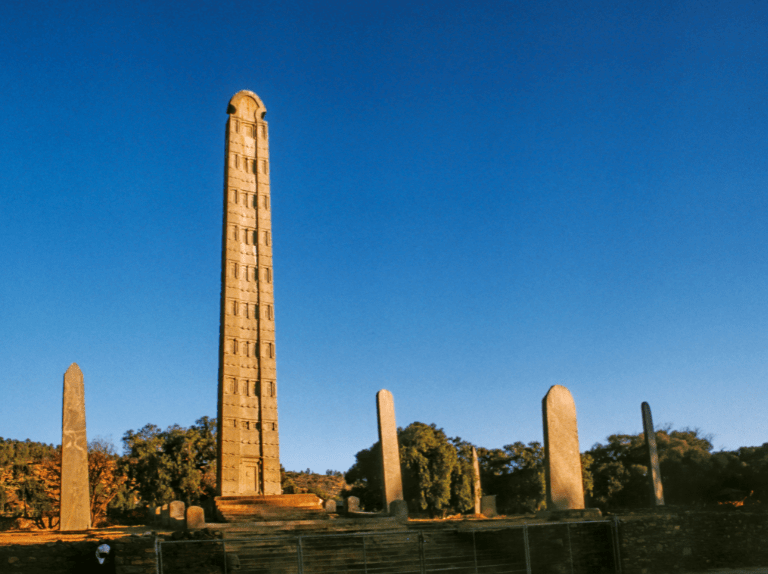
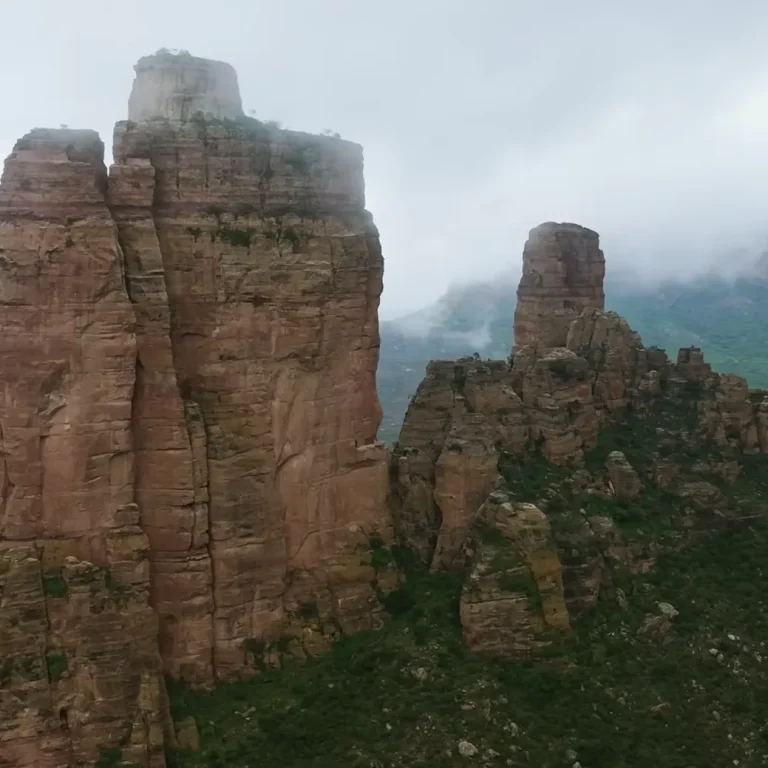
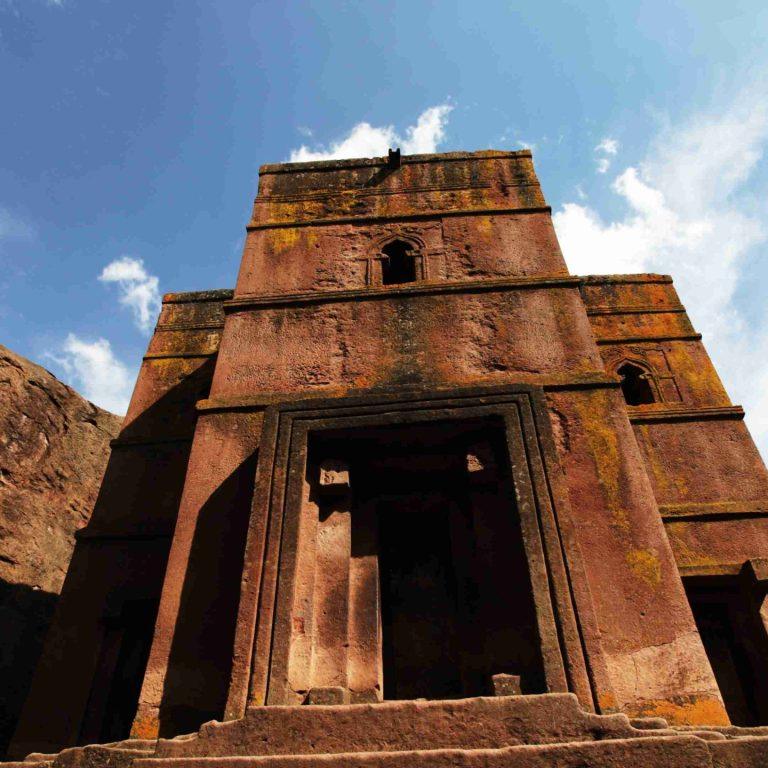
Because tours run out of Mekele and Tigray, the Danakil pairs well with the region’s highland sights. Many travellers combine it with the rock-hewn churches of the Gheralta cluster, or with a visit to Axum and its ancient stelae further west. It also slots into a wider northern loop that can include Lalibela. A typical plan is to explore Tigray’s churches, drop into the Danakil for three or four days, then continue the historic circuit.
No. The Danakil is visited only on organised tours with a licensed operator, local Afar guides, permits and, on parts of the route, an armed escort. Independent travel is not permitted.
It is among the hottest inhabited places on Earth, with daytime temperatures regularly soaring well into the 40s Celsius and sometimes higher, which is why the cooler months are strongly preferred.
Erta Ale is one of the few volcanoes with a long-lived lava lake, but activity varies over time. Whether the lava lake is visible on any visit depends on current conditions.
Most tours begin in Mekele (also spelled Mekelle) in the Tigray region, reached by flight from Addis Ababa. The 4x4 expedition descends into the depression from there.
A focused Dallol and salt-flats trip takes about two days, while the classic circuit including Erta Ale usually runs three to four days from Mekele.
Dallol is a volcanic and hydrothermal area within the Danakil, famous for vivid yellow, green and orange sulphur springs, acid pools and salt formations, and it lies among the lowest volcanic points on land.
The main risks are extreme heat and terrain, and the border region has a security history, which is why escorts and licensed operators are standard. Check your government's current travel advisory before you go.
Cliff-top rock-hewn churches and sandstone towers in Ethiopia's Tigray region.
Read More about Gheralta →Ethiopia's holy city of 11 medieval churches carved down into living rock.
Read More about Lalibela →A walled old town in eastern Ethiopia, a UNESCO-listed holy city.
Read More about Harar Jugol →