---------------------------------
Address
Phone: +251 988 111 222
Need help or have a question?
Contact us at: info@driveethiopia.com
Addis Ababa, Ethiopia
---------------------------------
Address
Phone: +251 988 111 222
Need help or have a question?
Contact us at: info@driveethiopia.com
Addis Ababa, Ethiopia


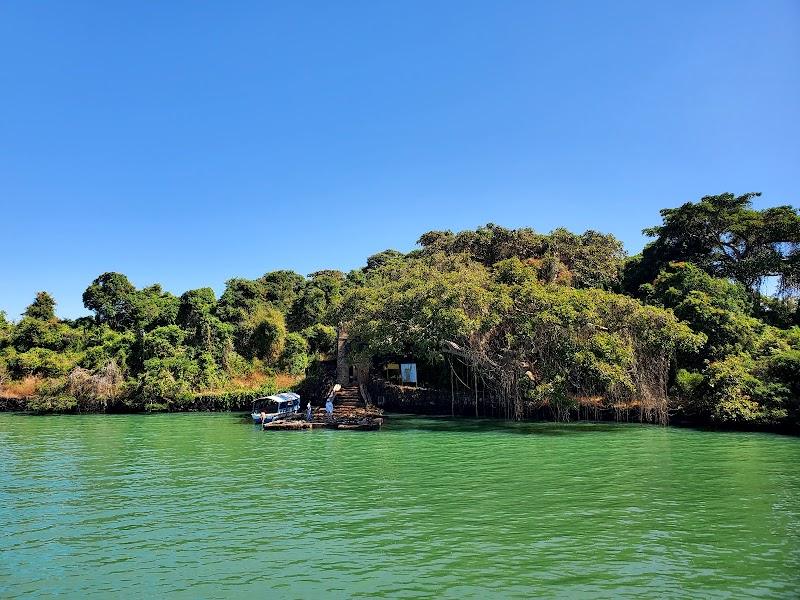
Lakeside city, island monasteries and the source of the Blue Nile.
Bahir Dar is a lakeside city in northern Ethiopia on the southern shore of Lake Tana, the country's largest lake and the source of the Blue Nile. It is best known for the ancient island and peninsula monasteries reached by boat, palm-lined avenues and easy access to the Blue Nile Falls.
Bahir Dar sits at roughly 1,800 metres on the southern edge of Lake Tana, about 565 km northwest of Addis Ababa. The city itself is compact and walkable, with wide, palm-lined streets, a busy waterfront and a market. Its main draw is the lake: Lake Tana covers more than 3,000 square kilometres and holds dozens of small islands and peninsulas, many home to Ethiopian Orthodox monasteries founded centuries ago. From the same shore, Lake Tana drains into the Blue Nile, which begins its long journey toward Sudan and Egypt here.
Bahir Dar rewards travellers who want history and water in one place. A half-day boat trip takes you to painted monastery churches such as Ura Kidane Mehret on the Zege peninsula, where round thatched walls are covered in bright Biblical murals. The lake is alive with birdlife, and hippos are often seen near the shore and river mouth. Back in town, sunset over the water, fresh fish, and coffee under the palms make it one of the more relaxed stops on the northern circuit, and a natural base for reaching the Blue Nile Falls and Gondar.
Lake Tana’s islands have sheltered monastic communities for many hundreds of years, and several churches hold old manuscripts, crowns and religious treasures. Some monasteries are said to have once safeguarded relics moved from other parts of the highlands during times of conflict. Bahir Dar itself grew from a lakeside settlement into a regional capital and is now one of northern Ethiopia’s largest cities and the seat of the Amhara regional administration. The monasteries remain active places of worship, not museums, which shapes how visitors are expected to behave.
Most visits mix a boat tour of the lake with time in the city and a trip to the falls:
The most comfortable window for Bahir Dar is the long dry season from roughly October to March, when lake trips are calm and roads are easy. The rains, mainly from June to September, bring greener scenery and a fuller Blue Nile but can disrupt outdoor plans. If you also want to see the Blue Nile Falls at their strongest, aim for the tail of the rains or shortly after.
| Period | What to expect |
|---|---|
| October to March | Dry, settled weather; best conditions for boat trips and easy travel. |
| April to May | Hot and increasingly humid; occasional early showers before the main rains. |
| June to September | Main rains; green landscapes and stronger river flow but more disruption. |
| Timkat (January) | Epiphany celebrations bring colour and crowds; book ahead. |
Bahir Dar is one of the easier northern destinations to reach. Domestic flights connect Addis Ababa to Bahir Dar and are the fastest option; check current schedules and fares, as these change. By road it is a long day’s drive northwest of Addis Ababa, often broken over two days or combined with Debre Markos; allow a full day and confirm the current drive time. Bahir Dar also links by road to Gondar and, with more time, to the Simien Mountains and Lalibela.
Two nights is a comfortable amount of time for Bahir Dar: one day for a Lake Tana boat tour and the city, and one for the Blue Nile Falls. Travellers on a tight schedule sometimes do it in a single packed day, while those combining it with Gondar and the Simiens will pass through more than once.
| Trip type | Suggested time |
|---|---|
| Quick stop | 1 day (boat tour or falls, not both) |
| Recommended | 2 days (boat tour plus Blue Nile Falls) |
| Relaxed / base for the north | 3 days or more |
Bahir Dar has the widest range of accommodation on the northern circuit, from simple guesthouses in town to mid-range hotels and a few lakeside resorts with gardens and pools. On the lakeshore, Kuriftu Resort and Spa and Blue Nile Resort are the established higher-end options, both with pools and lake-facing rooms. Unison Hotel and Spa sits within about ten minutes on foot of St George’s Church, the Blue Nile bridge and the shore, and Jacaranda Hotel is a simpler choice a short walk back from the water. Staying near the waterfront puts you close to boat departures and sunset views. Rates change, so confirm current prices when you book.
Pack for warm days and cooler evenings by the water. Bring sun protection, a hat and sunglasses for open boat trips, plus a light layer for early starts. Modest clothing that covers shoulders and knees is expected at the monasteries, and you will often remove your shoes before entering a church, so easy footwear helps. Carry small denomination notes for entrance fees, a refillable water bottle and a dry bag or cover for cameras on the boat.
Bahir Dar is a normal working city and most visits are straightforward, but northern Ethiopia’s security situation has shifted in recent years and can vary by area and date. Check your government’s current travel advisory before you travel and again close to departure, and follow local guidance from your operator. On the lake, use boats with life jackets, avoid getting close to hippos, and take normal precautions with valuables in busy markets.
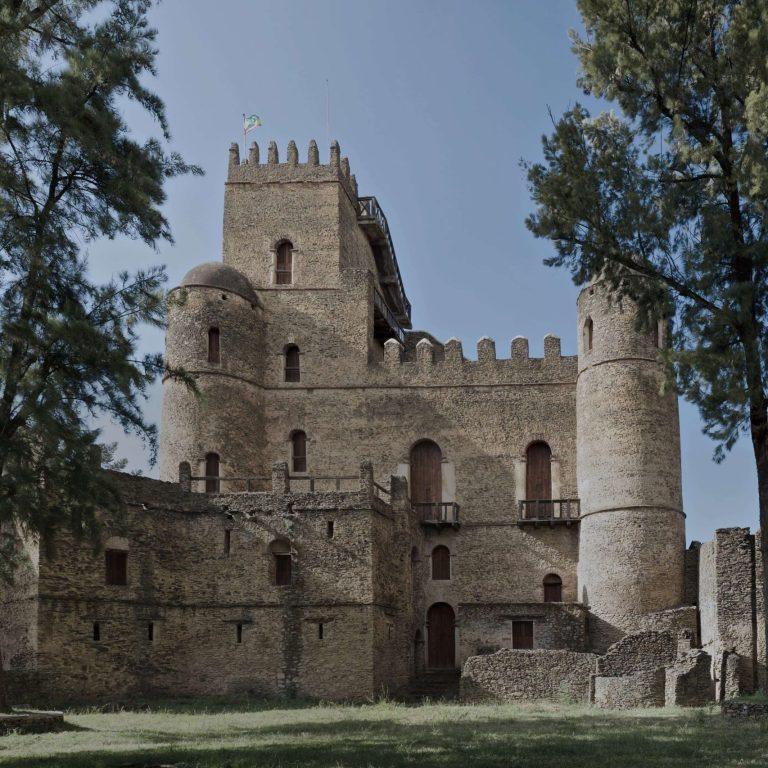
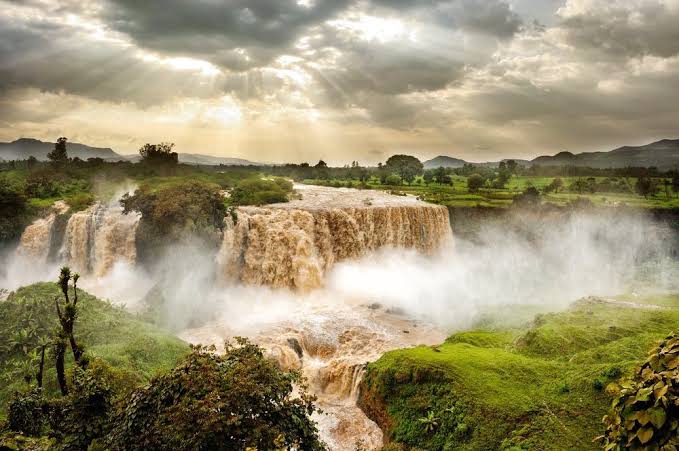
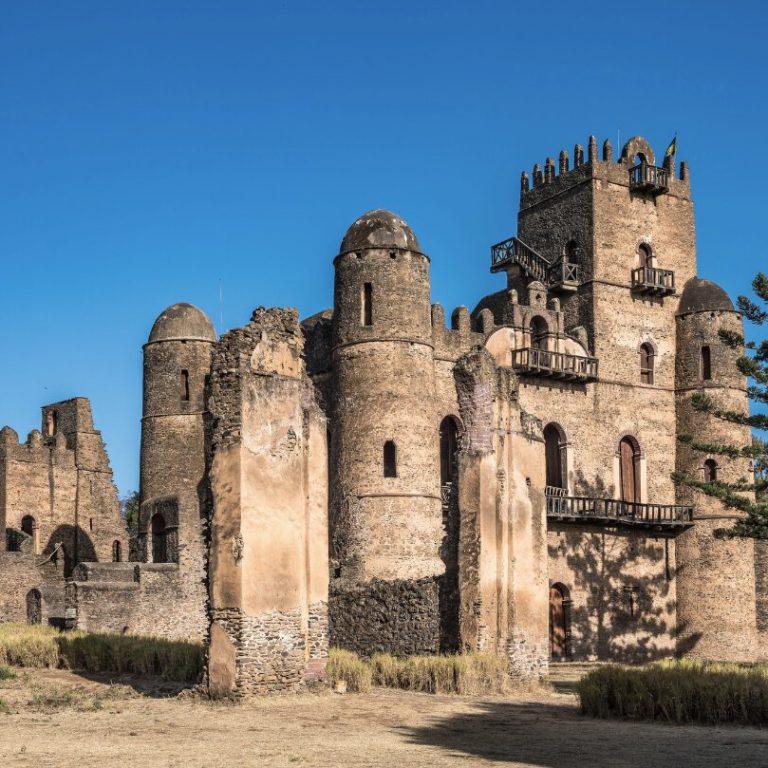
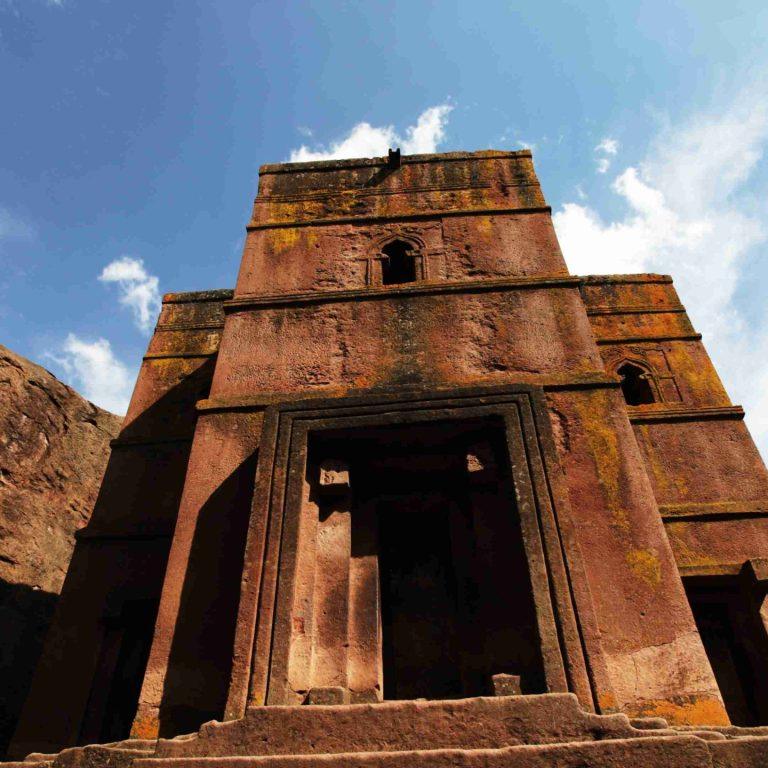
The Blue Nile Falls are the obvious add-on, a short trip south of the city. Gondar, with its royal castles and churches, is within reach by road and pairs naturally with Bahir Dar on a northern loop, and from Gondar many travellers continue to the Simien Mountains. Lalibela and its rock-hewn churches are usually reached next, by air or road. A classic northern itinerary strings Bahir Dar, Gondar, the Simiens and Lalibela together.
Bahir Dar is a city in northern Ethiopia on the southern shore of Lake Tana, roughly 565 km northwest of Addis Ababa, at about 1,800 metres altitude.
Lake Tana is Ethiopia's largest lake, the source of the Blue Nile, and home to dozens of islands and peninsulas with historic Ethiopian Orthodox monasteries.
The fastest way is a domestic flight; by road it is a long day's drive northwest. Confirm current flight schedules and drive times before you travel.
Two nights works well: one day for a Lake Tana boat tour and the city, and one for the Blue Nile Falls. A single day is possible but rushed.
Yes. A boat tour of Lake Tana visits island and peninsula monasteries such as Ura Kidane Mehret on the Zege peninsula; a half-day reaches the closest sites.
Hippos are often seen near the shore and the Blue Nile outlet. Keep a safe distance and follow your boat operator's guidance.
The dry season from about October to March offers the most comfortable, settled conditions for boat trips and easy travel.
Most visits are straightforward, but northern Ethiopia's security situation can change. Check your government's current travel advisory before you travel.
The Blue Nile's waterfall near Bahir Dar, known as Tis Issat.
Read More about Blue Nile Falls →A 17th-century imperial capital of stone castles, churches and Timkat crowds.
Read More about Gondar →Ethiopia's holy city of 11 medieval churches carved down into living rock.
Read More about Lalibela →Jagged escarpment peaks, gelada troops and Ethiopia's highest summit, Ras Dashen.
Read More about Simien Mountains National Park →