---------------------------------
Address
Phone: +251 988 111 222
Need help or have a question?
Contact us at: info@driveethiopia.com
Addis Ababa, Ethiopia
---------------------------------
Address
Phone: +251 988 111 222
Need help or have a question?
Contact us at: info@driveethiopia.com
Addis Ababa, Ethiopia


January and February are the only months dry across all of Ethiopia. A month-by-month table of both rainy seasons, festival dates and what each suits.
January and February are the only two months of the year that fall outside every rainy season in Ethiopia, in both the highlands and the south. If you want one answer, that is it.
Most guides say October to February, and that is highland advice repeated without checking the rest of the country. Ethiopia runs two rainfall calendars that do not line up, so October and November are dry in Lalibela and wet in the far south at the same time.
The table below gives every month against both calendars, the festivals, and what it means in practice. The right month depends on what you are going for.
FEWS NET's Ethiopia seasonal calendar splits the country into livelihood zones with different rainfall patterns. Two of them matter for a visitor.
The cropping highlands, which is the historic north, Addis Ababa and the Bale plateau, get the belg rains from March to May and the main kiremt rains from June to September.
The southern pastoral areas, which is the Omo Valley, Borena and the far south, get the gu or genna rains from March to May and the deyr or hageya rains from October to December.
March to May is wet almost everywhere. June to September is the highland monsoon but the dry window in the south. October to December is dry in the highlands and wet in the south. Only January and February are dry in both.
The other thing that governs temperature here is altitude rather than season. Addis Ababa sits high enough to be cool all year, which is a packing problem rather than a scheduling one. The Danakil and the lower Omo are hot all year. A month that suits one will not suit the other.
| Month | Highlands | South | Festivals | In practice |
|---|---|---|---|---|
| January | Dry | Dry | Genna 7 Jan, Timkat 19 Jan 2027 | The best all-round month. Peak festival season, so Lalibela and Gondar fill up |
| February | Dry | Dry | None major | The other clean month. Quieter than January, same dry conditions |
| March | Belg rains begin | Gu rains begin | Adwa Victory Day 2 Mar | Shoulder. Rain builds through the month in both halves |
| April | Belg | Gu | Good Friday 30 Apr 2027 | Wet in most of the country. Green, few visitors, awkward roads |
| May | Belg ends | Gu ends | Fasika 2 May 2027, Labour Day 1 May | Still wet. Fasika is the biggest feast of the Orthodox year |
| June | Kiremt begins | Dry | None major | Highlands turn wet. The south opens up |
| July | Kiremt | Dry | None major | Wettest month in the highlands. Southern circuit is the sensible choice |
| August | Kiremt | Dry | None major | As July. Unsurfaced highland roads are at their worst |
| September | Kiremt ends | Dry | Enkutatash 12 Sep 2027, Meskel 28 Sep 2027 | Rains break, highlands are green, two major festivals |
| October | Dry | Deyr rains begin | Irreecha, 3 and 4 Oct 2026 | Excellent in the north. The far south starts getting wet |
| November | Dry | Deyr | None major | Popular and dry in the highlands. Borena tracks are poor |
| December | Dry | Deyr ends | None major | Dry north, tail of the southern rains |
Festival dates in the Ethiopian calendar move against the Gregorian one. Timkat falls on 19 January in most years and 20 January in others, and Fasika moves by weeks because it follows the Julian Paschal calculation. Confirm the date for your own year rather than assuming.
| Region | Best months | Avoid | Why |
|---|---|---|---|
| Simien Mountains | October to March | June to September | Trekking needs dry ground. The kiremt rains make the escarpment paths slow and the views cloudy |
| Danakil Depression | November to February | March to October | Heat, not rain, is the limit. Outside that window conditions become punishing, and every night is camping |
| Omo Valley | January and February | October to December, and March to May | Two rainy seasons hit it. The roads that suffer are the unsurfaced ones the itineraries depend on |
| Bale Mountains | October to March | June to September | Same as Simien. The Sanetti Plateau is high and cold whenever you go |
| Historic north | October to February | June to September | January adds Genna and Timkat, which is why people come and why beds are scarce |
| Rift Valley lakes | October to February | March to May | The most forgiving of the lot, and reachable on tarmac year round |
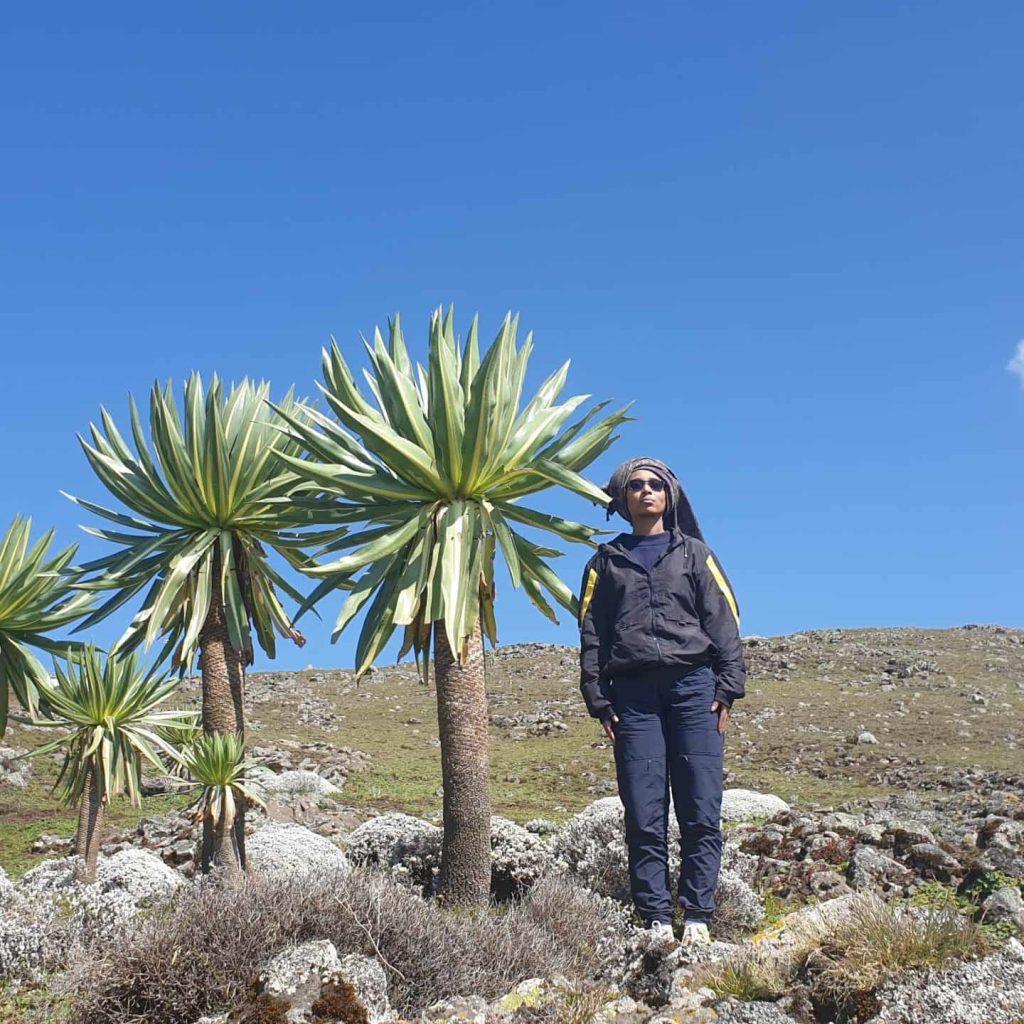
Historic north, Lalibela and Gondar. October to February. January adds Genna and Timkat, which is the reason many people come, and the reason beds are scarce. Our 7-day historic north tour runs that circuit.
The Danakil Depression. November to February, and no wider. It is punishingly hot outside that window, and the heat is the limiting factor rather than the rain. See the Danakil tour.
Simien or Bale trekking. October to March, once the kiremt rains have finished and the ground has dried. The Sanetti Plateau in Bale is high and cold whenever you go, and our nature tours cover both ranges.
The Omo Valley and the far south. January and February. This is where the two calendars actually bite, because November trips advertised as dry-season are inside the southern deyr rains, and the unsurfaced roads there are the ones that suffer. Our 7-day southern itinerary covers that ground and the Omo Valley tour is the product version of it.
Birding. January and February again, for the same reason, with Palearctic migrants in the country through the northern winter. The Ethiopia birding guide goes into the endemic circuit.
Festivals. September for Enkutatash and Meskel, January for Genna and Timkat, and whenever Fasika falls. Our cultural experiences guide has the detail on each.
Green country and few other visitors. June to September in the highlands, if you accept that it rains and that some roads will be difficult. The country looks completely different.
There is no month that rules out the whole country, because the two calendars mean somewhere is always dry. There are months that rule out a particular route.
Avoid the Danakil between March and October, on heat rather than rain.
Avoid the far south from October to December if your route depends on unsurfaced roads, which most Omo Valley itineraries do.
Avoid highland trekking from June to September, when the kiremt rains are at their heaviest.
And treat April with caution generally. It is wet in both halves of the country at once, which is the one thing the two calendars agree on.
"Avoid" rarely means impossible. It usually means slower, wetter or hotter, and it is worth knowing which, because the answer differs by region.
Danakil in the hot months is the one where the answer is closest to a flat no. The limit is heat rather than access, the itinerary involves camping with no running water, and the walk to the crater is already done at night in the cool season to make it bearable. Operators generally stop running it, so this is a case of the trip not being available rather than being uncomfortable.
The Omo Valley in the rains is a road problem, not a rainfall problem. The tracks are unsurfaced, and the crossings between Turmi, Jinka and the market villages are what fail. You can reach Arba Minch and Konso on tarmac in almost any month. It is the last stretch that decides whether the trip works.
Simien in the kiremt rains is walkable and frequently invisible. Cloud sits on the escarpment, which removes the reason most people trek it. The paths are slow rather than closed, and the country is spectacularly green.
The highlands in the rains are the most underrated option in the Ethiopian year. Lalibela, Gondar and Addis are all functional in July and August. You get green country, very few other visitors, and rain most days.
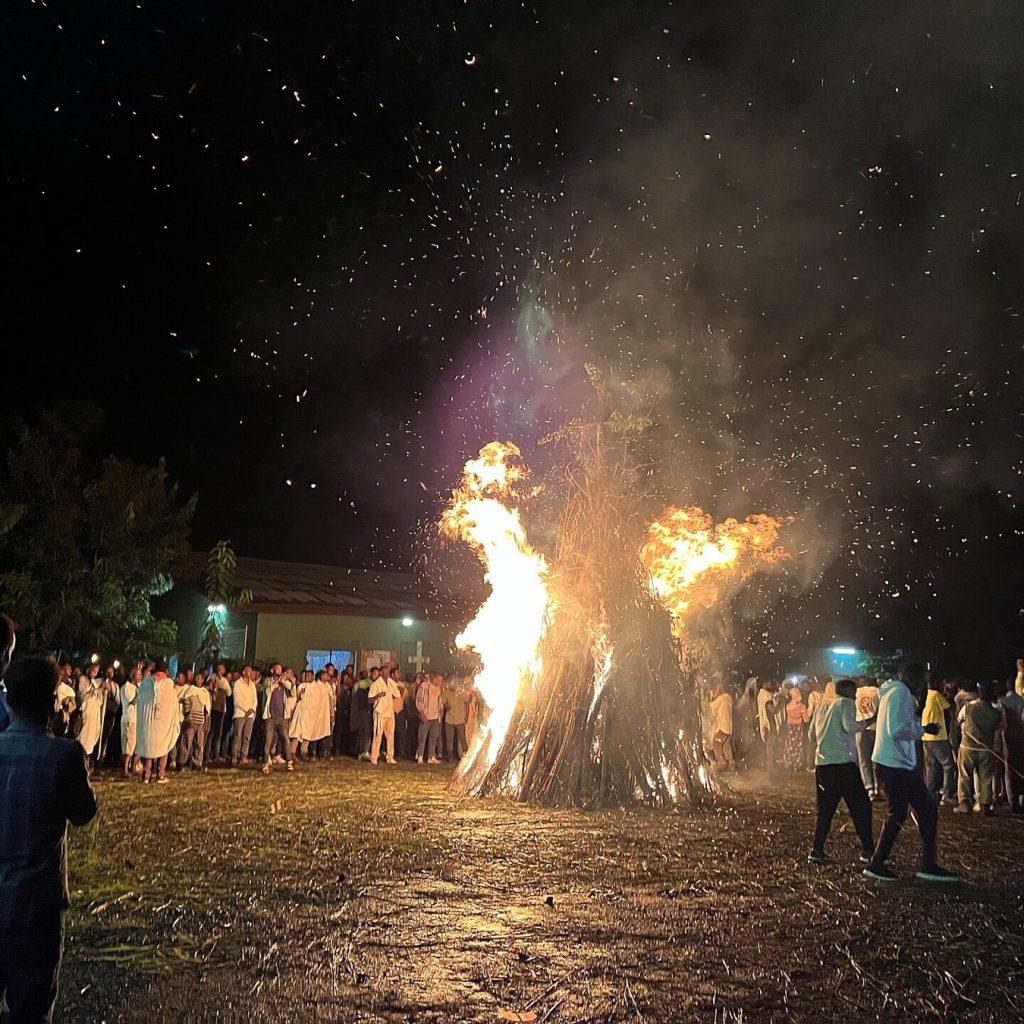
Crowd levels here are our own assessment rather than published figures, and they follow the festivals more than the weather. Lalibela at Genna and Timkat, and Gondar at Timkat, are the two genuine pinch points in the year, and accommodation in both books out well ahead. Meskel fills Addis Ababa for a night. Outside those, Ethiopia does not have a crowding problem in the way that better-known destinations do.
What is the best time to visit Ethiopia?
January and February. On FEWS NET's Ethiopia seasonal calendar these are the only two months that fall outside every rainy season in both the cropping highlands and the southern pastoral areas, which makes them the only months that work for a route covering both halves of the country.
What months are the rainy season in Ethiopia?
There are two rainy calendars. The cropping highlands get the belg rains from March to May and the main kiremt rains from June to September. The southern pastoral areas get the gu rains from March to May and the deyr rains from October to December.
Is October a good time to visit Ethiopia?
For the historic north, yes, because the kiremt rains have finished and the highlands are green. For the Omo Valley and the far south, less so, because October is when the southern deyr rains begin and the unsurfaced roads deteriorate.
When is the best time to visit the Danakil Depression?
November to February. The limiting factor is heat rather than rain, and outside those months conditions become punishing.
What is the best month for Ethiopian festivals?
January for Genna on 7 January and Timkat on 19 January 2027, or September for Enkutatash on 12 September 2027 and Meskel on 28 September 2027. Fasika, the Orthodox Easter, falls on 2 May 2027 and moves by several weeks year to year.
Can you visit the Danakil Depression in August?
Generally no. August sits in the middle of the hot season, and heat rather than rain is what limits the Danakil. The itinerary involves camping with no running water, and the walk to the Erta Ale crater is done at night even in the cool months to make it bearable. Operators normally run it November to February only, so in August the question is usually availability rather than comfort.
Is the Omo Valley accessible in the rainy season?
Partly. Arba Minch and Konso stay reachable on surfaced roads in most months. What fails is the last stretch, the unsurfaced tracks and crossings between Jinka, Turmi and the market villages, which is where most Omo itineraries actually go. The southern deyr rains run October to December and the gu rains March to May, so January and February are the reliable window.
Can you trek the Simien Mountains in the rainy season?
The paths stay walkable but the views often do not. Cloud sits on the escarpment through the kiremt rains from June to September, which removes the reason most people trek there. Going in that window gets you green country and very few other walkers, at the cost of seeing less.
Can you visit Ethiopia during the rainy season?
Yes, and June to September is a reasonable time to see the highlands green with very few other visitors. Expect rain most days, and expect unsurfaced roads to be slow or impassable. The southern circuit is dry in those months, which is the usual answer for a June to September trip.
Timing is the decision that shapes every other one on an Ethiopian trip, because the two rainfall calendars mean the right month for the north is not the right month for the south.
Tell us when you can travel and what you want to see, and we will tell you honestly whether the two fit together. We reply within a maximum of two hours, and you will have a detailed itinerary and a quote within 24 hours. Our Ethiopia tours and the destination guides are the place to browse first.
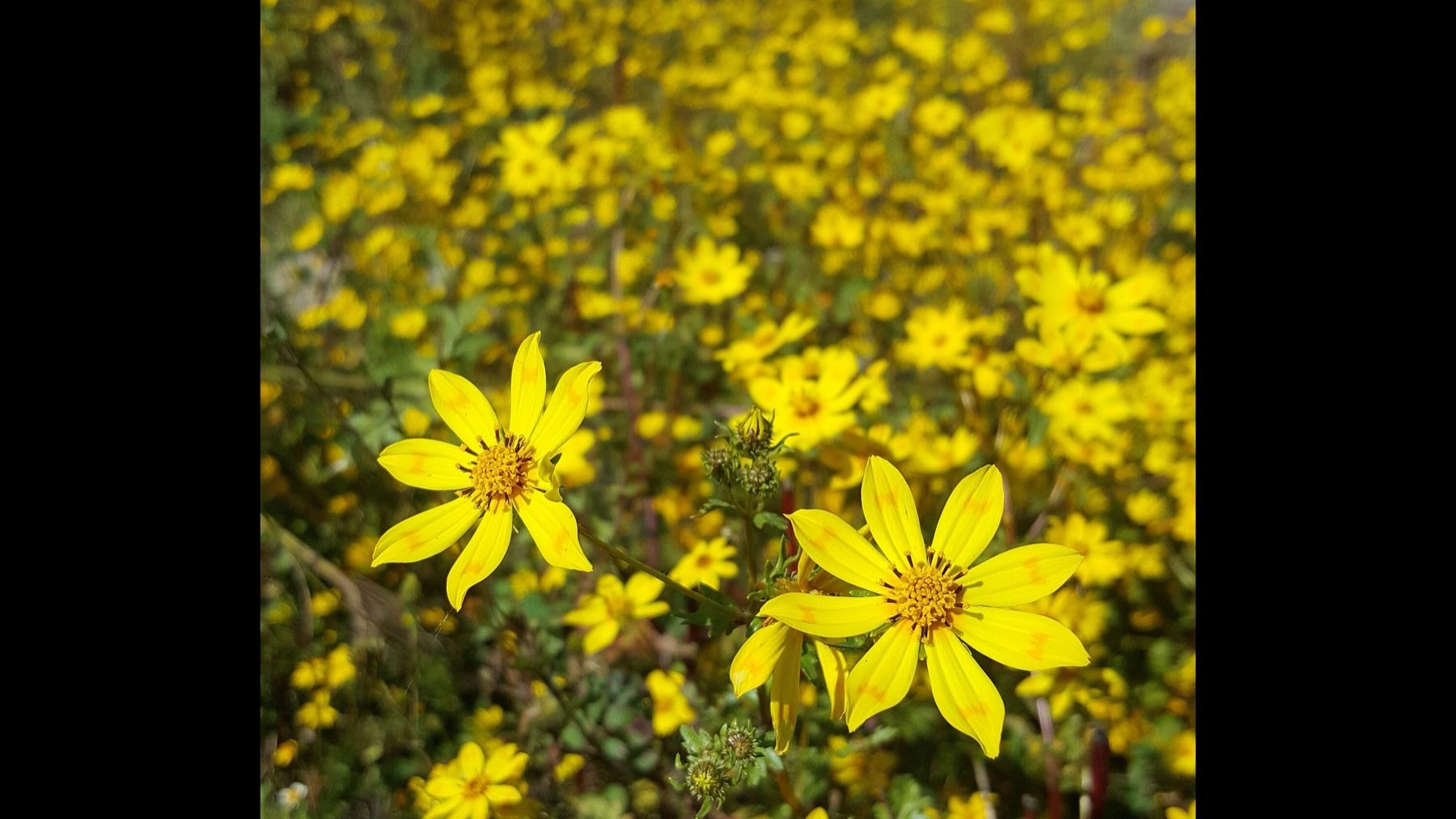
Feature photograph: Meskel daisies by Nati Tad, CC BY-SA 4.0.
