---------------------------------
Address
Phone: +251 988 111 222
Need help or have a question?
Contact us at: info@driveethiopia.com
Addis Ababa, Ethiopia
---------------------------------
Address
Phone: +251 988 111 222
Need help or have a question?
Contact us at: info@driveethiopia.com
Addis Ababa, Ethiopia


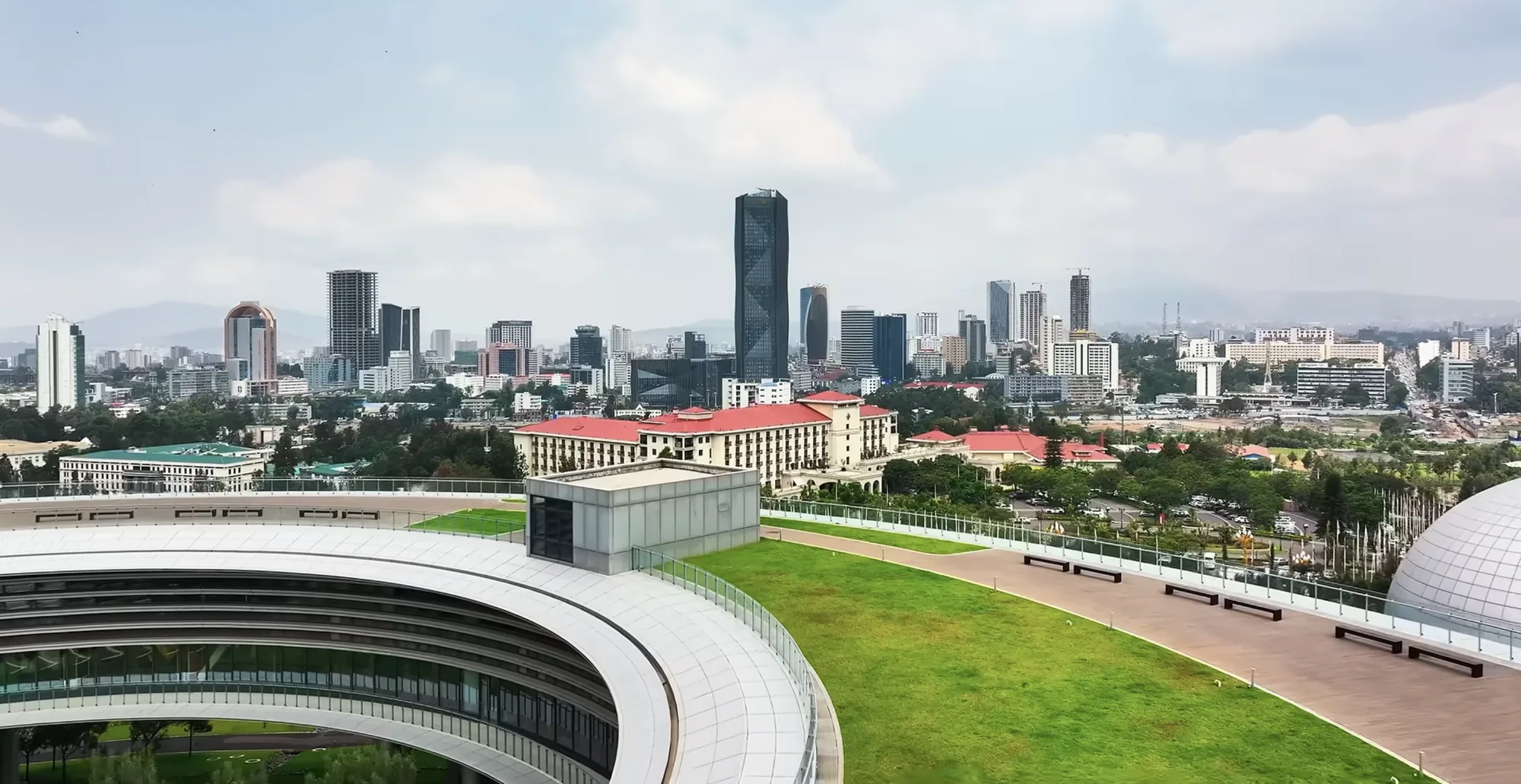
Ethiopia's high-altitude capital, home to Lucy and the gateway to every trip.
Addis Ababa is the capital of Ethiopia and the seat of the African Union, sitting at roughly 2,355 metres in the central highlands. Founded in 1886, it ranks among the highest capital cities on earth and works as the main entry point and transport hub for travel across the country.
Addis Ababa, sometimes written Addis Abeba, is Ethiopia’s largest city and its political, cultural and economic centre. The name means "new flower" in Amharic. It spreads across the foothills of the Entoto range at about 2,355 metres above sea level, which keeps its climate mild all year despite lying close to the tropics. Because Bole International Airport handles almost every international arrival, most visitors to Ethiopia begin and end their journey here, whether they are heading north to the rock churches or south to the Rift Valley.
Addis Ababa rewards travellers who give it a day or two rather than treating it purely as a transit stop. The National Museum holds the fossilised remains of "Lucy", known locally as Dinknesh, one of the most complete early hominin skeletons ever found. The city also has the finest concentration of museums, restaurants and coffee houses in the country, so it is the best place to get your bearings, sample Ethiopian food and understand the history before you head out to the regions. Its altitude and central position make it the natural staging ground for onward flights and drives.
Emperor Menelik II founded Addis Ababa in 1886, and his wife Empress Taytu is credited with naming it. The city grew quickly once eucalyptus plantations solved its early firewood shortage. In the twentieth century it became the headquarters of the Organisation of African Unity, later the African Union, cementing its role as a diplomatic centre for the continent. Holy Trinity Cathedral, where Emperor Haile Selassie is buried, and the many monuments around the centre trace this modern history, while the National Museum reaches back millions of years to Ethiopia’s place in human origins.
Addis Ababa packs a lot into a compact centre, with a few sites out in the surrounding hills. The main draws are:
Addis Ababa is comfortable year-round thanks to its altitude, with cool mornings and mild afternoons. The main rains fall roughly from June to September, when heavy afternoon downpours are common but mornings often stay clear. The dry months from October to March are the easiest for sightseeing and for connecting onward to other regions. Nights are cold enough for a jacket in any season, so pack layers whenever you come.
| Period | What to expect |
|---|---|
| October to February | Dry, mild days and cool nights; the easiest time to sightsee and connect onward. |
| March to May | Warmer, with occasional short rains building towards the main wet season. |
| June to September | Main rains; heavy afternoon showers but often clear mornings and green surroundings. |
Addis Ababa is the arrival point for almost all international visitors, so "getting here" usually means flying into Bole International Airport, which sits just a few kilometres from the city centre. From the airport, hotels, ride-hailing apps and pre-arranged transfers all serve the central districts within a short drive. If you are already elsewhere in Ethiopia, the capital is the hub of the domestic flight network and the national road system, so most regional routes lead back to it. For airport pickups, private transfers and self-drive or chauffeured cars around the city, Drive Ethiopia can arrange a vehicle to suit your plans.
Most travellers spend one or two nights in Addis Ababa at the start of a trip, and often another night at the end before flying home. A single full day covers the National Museum, a museum or cathedral and a coffee ceremony. Two days lets you add Merkato, Entoto and Unity Park at a relaxed pace. Because so many domestic flights and drives begin here, it is worth building in a buffer night rather than connecting on the same day you land.
| Trip type | Suggested time |
|---|---|
| Quick stopover | 1 day (museum, cathedral, coffee) |
| City highlights | 2 days (add Merkato, Entoto, Unity Park) |
| Base for onward travel | 2 to 3 days with buffer nights around flights |
Addis Ababa has the widest choice of accommodation in Ethiopia, from international-standard business hotels near Bole and the airport to mid-range guesthouses and budget rooms closer to the centre. Bole is popular for its proximity to the airport and to restaurants, while the Piazza and central districts put you near the older architecture and museums. Ethiopian Skylight Hotel is the closest to the terminal, within walking distance of Bole with a 24-hour shuttle, which makes it the practical choice for a late arrival or an early departure. Sheraton Addis sits on a hilltop between the National Palace and the prime minister’s residence, Hyatt Regency is on Meskel Square, and Radisson Blu is in the Kazanchis business district. Capital Hotel and Spa and Haile Grand are further comfortable options. Choose your area based on whether you value quick airport access or a central base for sightseeing, and confirm current rates directly.
Pack for cool highland weather rather than tropical heat. Mornings and evenings are chilly, so bring a warm layer, a light jacket and long trousers, with lighter clothing for midday. If you visit during the rains, add a waterproof and shoes that cope with muddy streets. Modest dress is appreciated at churches, where you may also need to remove your shoes. Sun protection matters at this altitude even when the air feels cool, so bring sunscreen, sunglasses and a hat.
Addis Ababa is a large capital city, and the usual big-city precautions apply: watch your belongings in crowded areas such as Merkato, use trusted transport at night and keep valuables out of sight. Conditions in Ethiopia can vary by region and change over time, so check your government’s current travel advisory before you travel and follow local guidance once you arrive. Travelling with a reputable local operator and a driver who knows the city helps you avoid problem areas and move around with confidence.
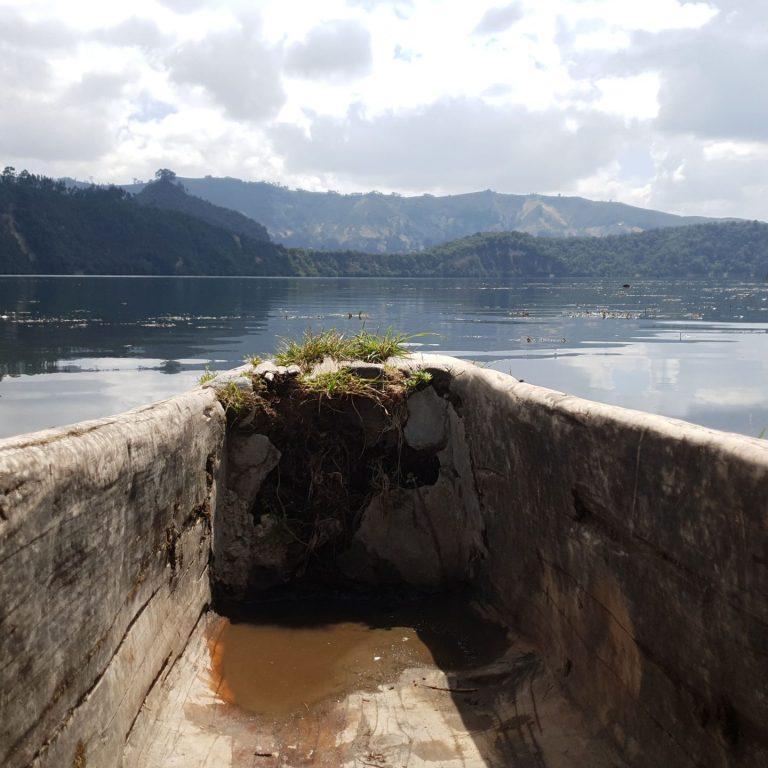
Addis Ababa is the natural launch pad for the rest of the country. To the west, Wenchi Crater Lake offers a day of hiking, horse riding and boat trips around a volcanic lake, while the string of Rift Valley lakes to the south makes an easy first taste of the countryside. Longer itineraries fly north to Lalibela for the rock-hewn churches or east to the walled old city of Harar Jugol. A common plan is one or two nights in the capital, a day trip to Wenchi or the lakes, then a domestic flight to a headline site such as Lalibela.
The Lucy fossil, known locally as Dinknesh, is held at the National Museum of Ethiopia in central Addis Ababa. The display you see may be a cast, with the original stored for preservation, but the museum is the place to learn the full story of the find.
Addis Ababa sits at roughly 2,355 metres above sea level, high enough that some visitors feel mild breathlessness or tiredness on arrival. Take it easy for a day, drink plenty of water and avoid heavy exertion until you adjust.
One to two days covers the main museums, a cathedral and a coffee ceremony. Because the city is the hub for onward flights and drives, many travellers also add a buffer night at the start or end of a longer trip.
Standard big-city precautions apply, such as watching your belongings in crowded markets and using trusted transport at night. Conditions can change, so check your government's current travel advisory before you travel and follow local advice on arrival.
The dry months from October to March are the easiest for sightseeing and onward connections. The main rains fall from June to September, bringing heavy afternoon showers, though mornings often stay clear.
Yes. It is the country's main international gateway and the hub of the domestic flight and road networks, so most itineraries begin and end here. Nearby day trips include Wenchi Crater Lake and the Rift Valley lakes.
Dress in layers for cool highland weather, with a warm top for mornings and evenings and lighter clothing for midday. Modest dress is appreciated at churches, and you may need to remove your shoes inside.
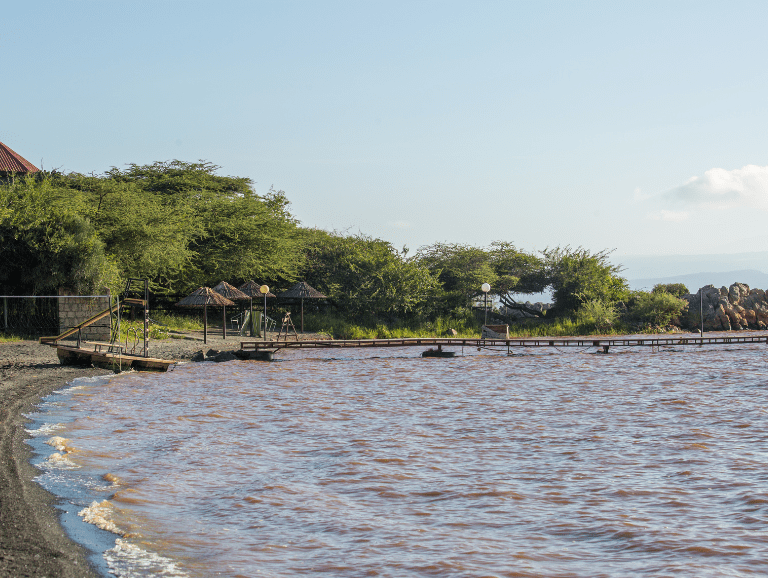
A volcanic crater lake with an island monastery, an easy trip from Addis
Read More about Wenchi Crater Lake →A chain of lakes south of Addis for birding and weekend escapes
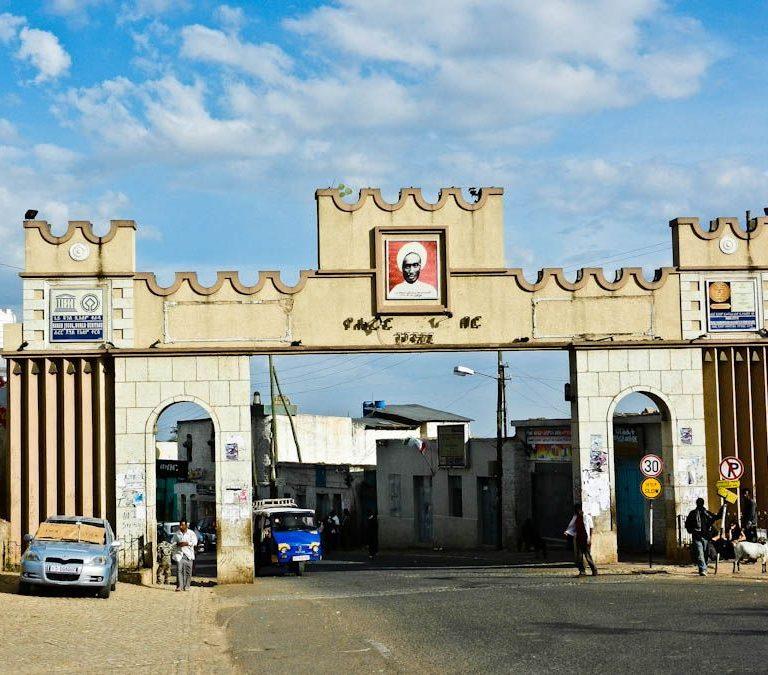
Read More about Rift Valley Lakes →A walled old town in eastern Ethiopia, a UNESCO-listed holy city.
Read More about Harar Jugol →Ethiopia's holy city of 11 medieval churches carved down into living rock.
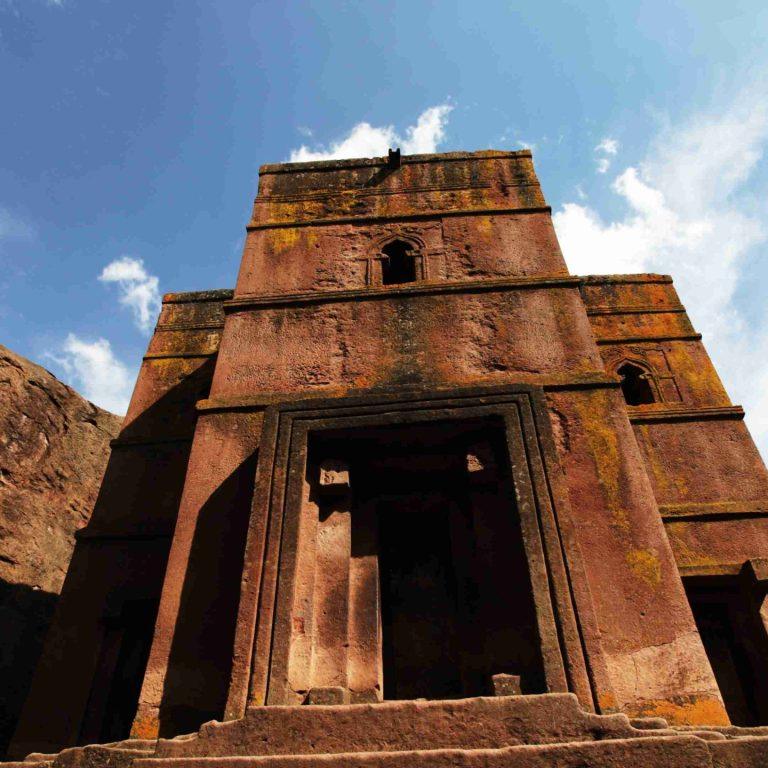
Read More about Lalibela →