---------------------------------
Address
Phone: +251 988 111 222
Need help or have a question?
Contact us at: info@driveethiopia.com
Bole, Addis Ababa, Ethiopia
---------------------------------
Address
Phone: +251 988 111 222
Need help or have a question?
Contact us at: info@driveethiopia.com
Bole, Addis Ababa, Ethiopia


Fasika is the biggest feast in the Ethiopian Orthodox year and it follows the Julian Paschal calculation, so the date moves. In 2027 it falls on 2 May.
Read more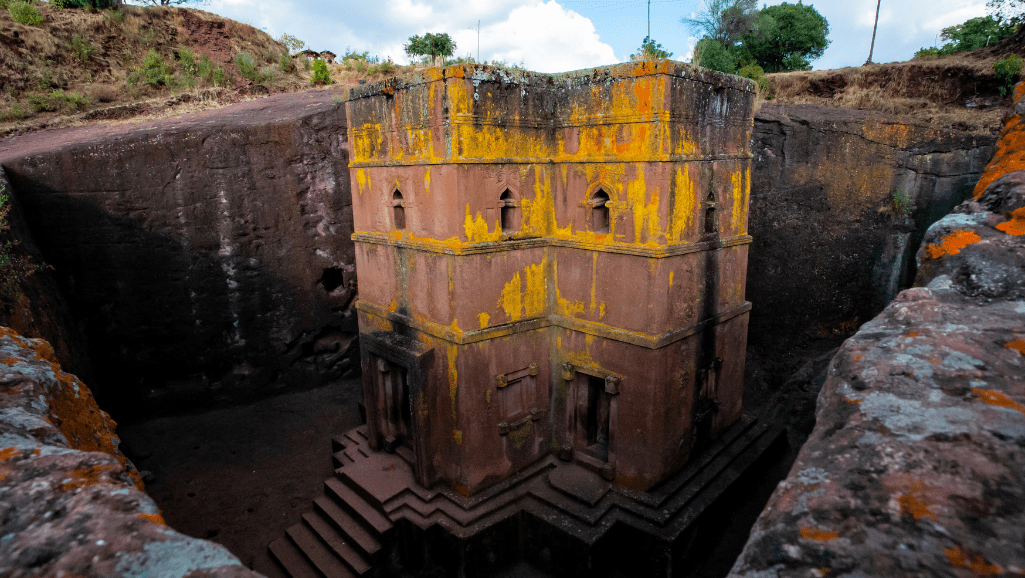
Fasika is Ethiopian Orthodox Easter and the largest feast of the Ethiopian year. Unlike Genna and Meskel it has no fixed date: it follows the Julian Paschal calculation, so it drifts against Western Easter and against the Gregorian calendar generally. In 2027 it falls on 2 May.
It is also different in character from the other festivals. Timkat and Meskel concentrate on one square or one pool and you go to watch. Fasika is nationwide and domestic, and it is preceded by Hudadi, a fast of fifty-five days in which observant Ethiopians eat no animal products at all. That matters practically as well as spiritually: the fast is why the food on Easter Sunday is itself an event, and why the weeks before it are the best time in the country to eat the vegetarian dishes Ethiopian cooking does better than almost anywhere.
The heart of it is the Saturday night vigil, a service that runs late and breaks the fast around midnight or after. This itinerary is timed so that you are in Axum for that vigil, at one of the oldest centres of Ethiopian Christianity, and then moves to Lalibela for the rock-hewn churches once the feast is over.
You land at Bole International Airport and we meet you and transfer you to your hotel. A light first day, and a buffer against a delayed connection before a fixed festival date.
The capital, which normally takes in the National Museum, Holy Trinity Cathedral and a view over the city. If you are travelling in the fast, this is a good day to eat: Addis Ababa is where the vegetarian cooking of Hudadi is at its best.
A flight north to Axum, seat of the ancient Aksumite kingdom. The afternoon is for the northern stelae field, where carved granite monoliths stand over the tombs of Aksumite kings and the broken sections of the Great Stele lie where they fell.
Saint Mary of Zion and the churches of Axum during the day. In the evening to the vigil, the long service that runs late into the night and breaks the fifty-five day fast.
Fasika itself, and a slow morning after a late night. The feast is the point of the day. Later we fly on to Lalibela.
A full day among the eleven rock-hewn churches, cut down into the rock and still in daily use, with the country quiet again after the holiday.
The flight back to Addis Ababa, where the tour ends. We can arrange a day room if your international flight leaves late in the evening.
This tour is dated by Fasika, which moves. It fell on different Gregorian dates in recent years and falls on 2 May in 2027. Because the Ethiopian Orthodox church uses the Julian Paschal calculation, Fasika does not usually coincide with Western Easter, so do not assume the two are the same week. Ask us for the date in your year before you book anything.
The season depends on where the date lands. A late April or May Fasika sits at the start of the belg period in the highlands, which can bring afternoon showers without disrupting travel, and the country is greener than in the January peak. Ask us what the date in your year implies for the roads on any extension you are considering.
You fly into Addis Ababa Bole International Airport and we meet you there. The northern legs to Axum and Lalibela are flown, because the roads between them are long mountain routes and not a sensible use of a seven-day trip.
Everything on the ground is by private vehicle with a driver. Fasika is a public holiday and the Saturday vigil runs into the night, so having your own transport and a driver who knows which service is worth attending matters more on this trip than on most.
It moves. Fasika follows the Julian Paschal calculation used by the Ethiopian Orthodox Tewahedo Church, so it drifts against the Gregorian calendar and usually does not fall on the same day as Western Easter. In 2027 it is 2 May. Ask us for the date in your year before booking flights.
No, and the two are often confused. Genna is Ethiopian Christmas and falls on 7 January. Fasika is Ethiopian Easter and moves each year. They are different festivals in different seasons.
Hudadi, a fast of fifty-five days in which observant Ethiopians eat no animal products. It is broken at the Saturday night vigil, which is why the Sunday feast is such an event. It also means the weeks beforehand are an exceptional time to eat vegetarian food in Ethiopia.
Visitors are generally welcome at Ethiopian Orthodox services, and the Saturday vigil is the heart of Fasika. Dress modestly with shoulders and knees covered, expect to remove your shoes at the church, and follow your guide on where it is appropriate to stand. The service runs late into the night.
It is a good time to see the country at its most celebratory, and it falls outside the January festival peak, so the northern sites are less crowded than at Genna or Timkat. Fasika is a public holiday, so some businesses close on the day.
We reply to every enquiry within 2 hours, and send a detailed itinerary and quote within 24 hours.