---------------------------------
Address
Phone: +251 988 111 222
Need help or have a question?
Contact us at: info@driveethiopia.com
Addis Ababa, Ethiopia
---------------------------------
Address
Phone: +251 988 111 222
Need help or have a question?
Contact us at: info@driveethiopia.com
Addis Ababa, Ethiopia


A checklist of Ethiopia's 22 endemic birds: habitat, best site and easiest months for each, which sit in advisory zones, and how many days a full sweep takes.
Ethiopia has 22 endemic bird species on the two most widely used current checklists, plus around 25 near-endemics shared mainly with Eritrea. The catch is that the two lists of 22 do not hold the same birds. Fifteen species appear on both, and those fifteen are the core of any endemic trip.
Most of them sit on one southern loop from Addis Ababa: the Bale Mountains, the Rift Valley lakes, and the acacia country around Yabello and Mega. A handful live only on the northern escarpments, and that is where the current travel advice bites hardest.
This checklist gives you every species, the habitat it needs, the site birders use for it, and the months when getting there is easiest. It is built for one decision: whether Ethiopia earns a place on your list of African birding trips, and how long it needs.
The national checklist built on Avibase data, using the Clements taxonomy, records 880 species for Ethiopia and marks 22 of them as endemic. Exotic Birding's Ethiopia specialty list, based on Clements with updates to 2021, also arrives at 22 endemics, and adds 25 near-endemics.
Same number, different birds. Each list carries seven species the other treats as near-endemic, as a subspecies, or not at all. The reason is taxonomy, and the Eritrea question. Several highland species also cross into Eritrea, so whether they count as "Ethiopian endemics" depends on who drew the line and where.
You will also see 20 quoted, including on our own birding guide to Ethiopia. That was the Avibase count as of August 2021. Figures in the low thirties usually count Ethiopia and Eritrea together, the way most field guides treat the region.
For planning, the dispute matters less than it looks. Nearly every bird on either list is found at the same few sites.

These are the species on both current lists. The months column is about access, not presence. These birds are resident, so they are there all year. What changes is the rain, and with it the roads.
On FEWS NET's Ethiopia seasonal calendar, the highland and Rift Valley sites are dry from October to February. The southern pastoral areas around Yabello, Mega and Negele have their own short rains from October to December, so their driest stretch is January and February.
| Species | Habitat | Site birders use | Easiest months |
|---|---|---|---|
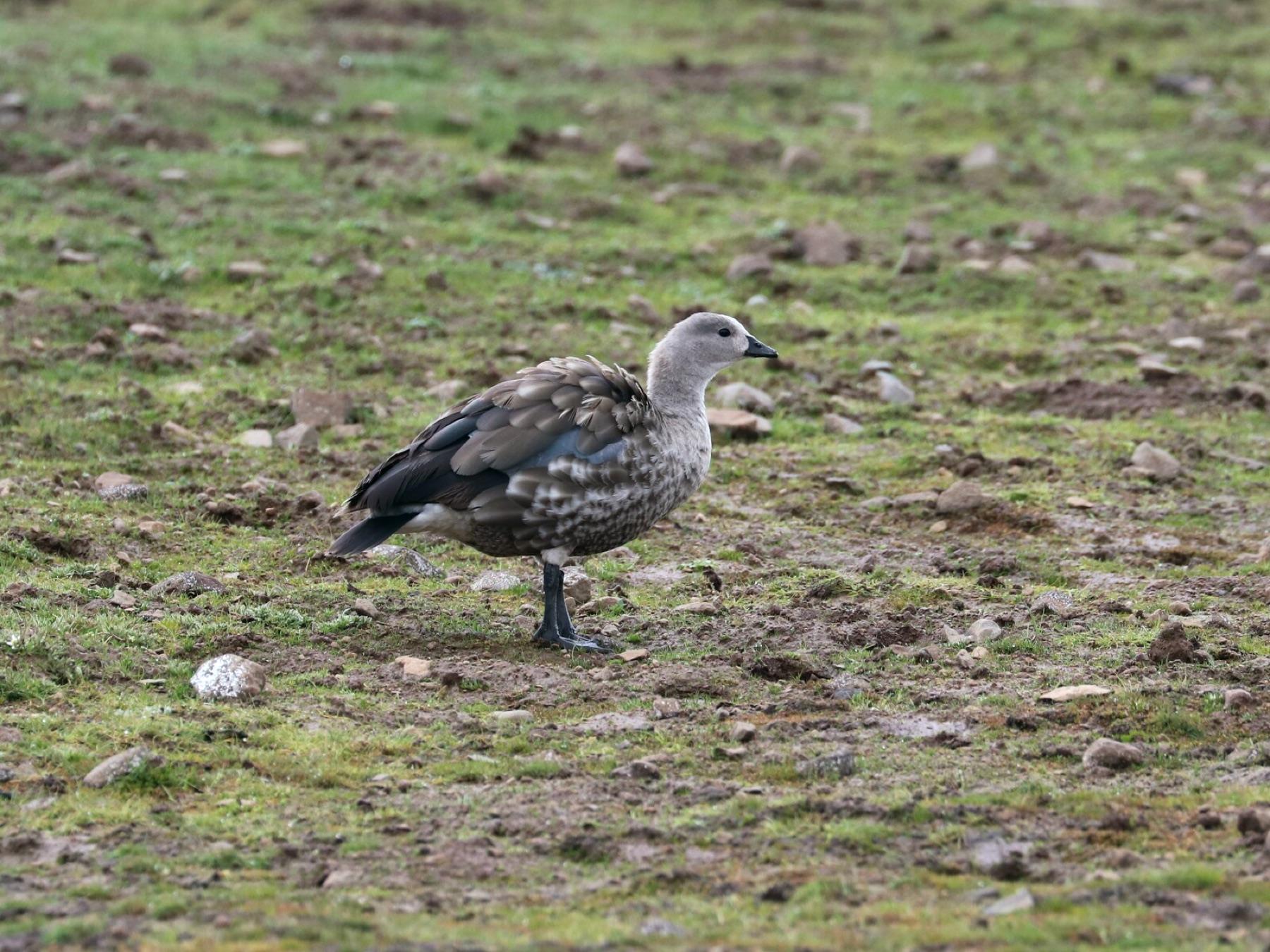
| Blue-winged goose | High grassland and moorland pools | Sanetti Plateau, Bale | October to February |
| Moorland francolin | Afro-alpine heath above the tree line | Sanetti Plateau, Bale | October to February |
| Harwood's francolin | Dry gorge slopes with scrub | Jemma Valley, North Shewa | October to February |
| Prince Ruspoli's turaco | Edges of juniper and mixed forest, fruiting figs | Arero forest near Yabello; the Negele and Genale area | January and February |
| Nechisar nightjar | Unknown. Never seen alive with certainty | Nechisar National Park, Arba Minch | Not a realistic target |
| Spot-breasted lapwing | Short grass and wet moorland | Sanetti Plateau, Bale | October to February |
| Yellow-fronted parrot | Highland and Rift Valley woodland | Lake Langano, at fruiting figs | October to February |
| Stresemann's bush-crow | Open acacia savannah, short grass | Yabello to Mega road, Borena | January and February |
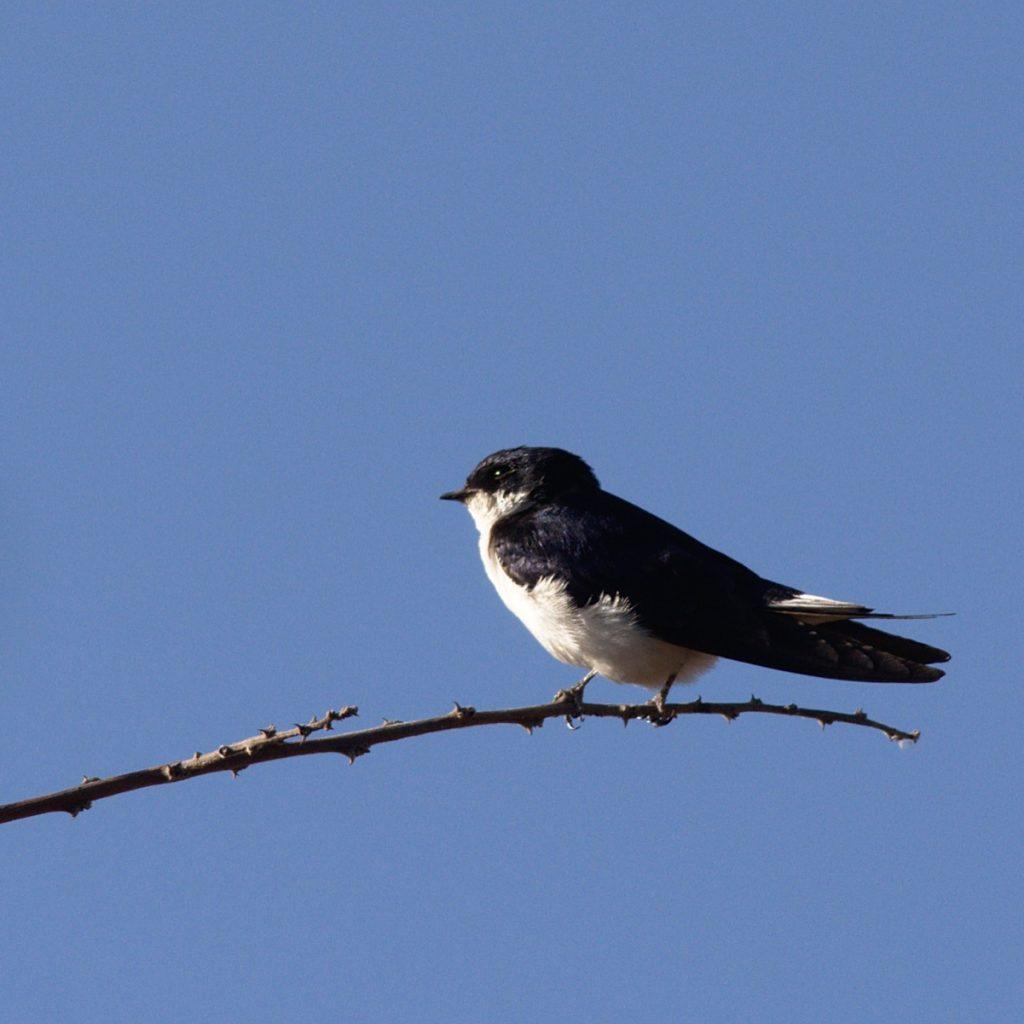
| White-tailed swallow | Acacia grassland, termite mounds | Yabello to Mega road, Borena | January and February |
| Abyssinian catbird | Dense highland scrub and juniper undergrowth | Dinsho, Bale | October to February |
| Abyssinian longclaw | Highland grassland | Bale Mountains | October to February |
| Yellow-throated serin | Dry scrub on escarpment slopes | Melka Ghebdu below Ankober | October to February |
| Salvadori's serin | Dry scrubby valleys in the south-east | Areas in and around Bale | October to February |
| Ankober serin | Cliff tops and steep rocky slopes | Ankober escarpment, North Shewa | October to February |
| Ethiopian siskin | Highland grassland edges and woodland | Bale Mountains | October to February |
These are the species that make one checklist and not the other. Every one of them is worth seeing, and most turn up on a standard southern trip whatever your field guide calls them.
Only on the Avibase list: wattled ibis, Abyssinian woodpecker, white-backed black tit, Degodi lark, Kafa white-eye, white-winged cliff chat and red-billed pytilia.
Only on the Exotic Birding list: blue quail, Ethiopian bee-eater, Liben lark, short-billed crombec, Ethiopian white-eye, Ethiopian thrush and sombre rock chat.
Three of these need a specific detour. Liben lark lives only on the Liben Plain outside Negele. Sombre rock chat is a bird of the lava fields near Awash. Degodi lark sits far to the east in Somali region, and almost no trip goes for it. Red-billed pytilia is a valley bird, usually found in the Gibe Valley or the lower Jemma.
A near-endemic is a bird found mostly in Ethiopia that spills over a border, usually into Eritrea. For a visiting birder they count almost as much, because you will not see them anywhere else on a normal African trip.
On the southern loop, Bale gives you white-collared pigeon, Rouget's rail, thick-billed raven, Ethiopian oriole and Abyssinian slaty flycatcher. Lake Langano adds black-winged lovebird, banded barbet and white-cheeked turaco. Rüppell's black chat, white-billed starling and yellow-rumped serin are birds of the northern escarpments.
BirdLife places this turaco in a small area of southern Ethiopia around Arero, Bobela, Sokora, Negele and Wadera, reaching into Bale Mountains National Park. It feeds on fruit at the edge of juniper and olive forest and in riverside trees. Near Negele, BirdLife records that the original juniper forest has nearly all been cut.
Some birding tours, Birdquest among them, now look for it at fruiting figs in the Yabello area rather than at Negele, which keeps the trip on the main southern road.
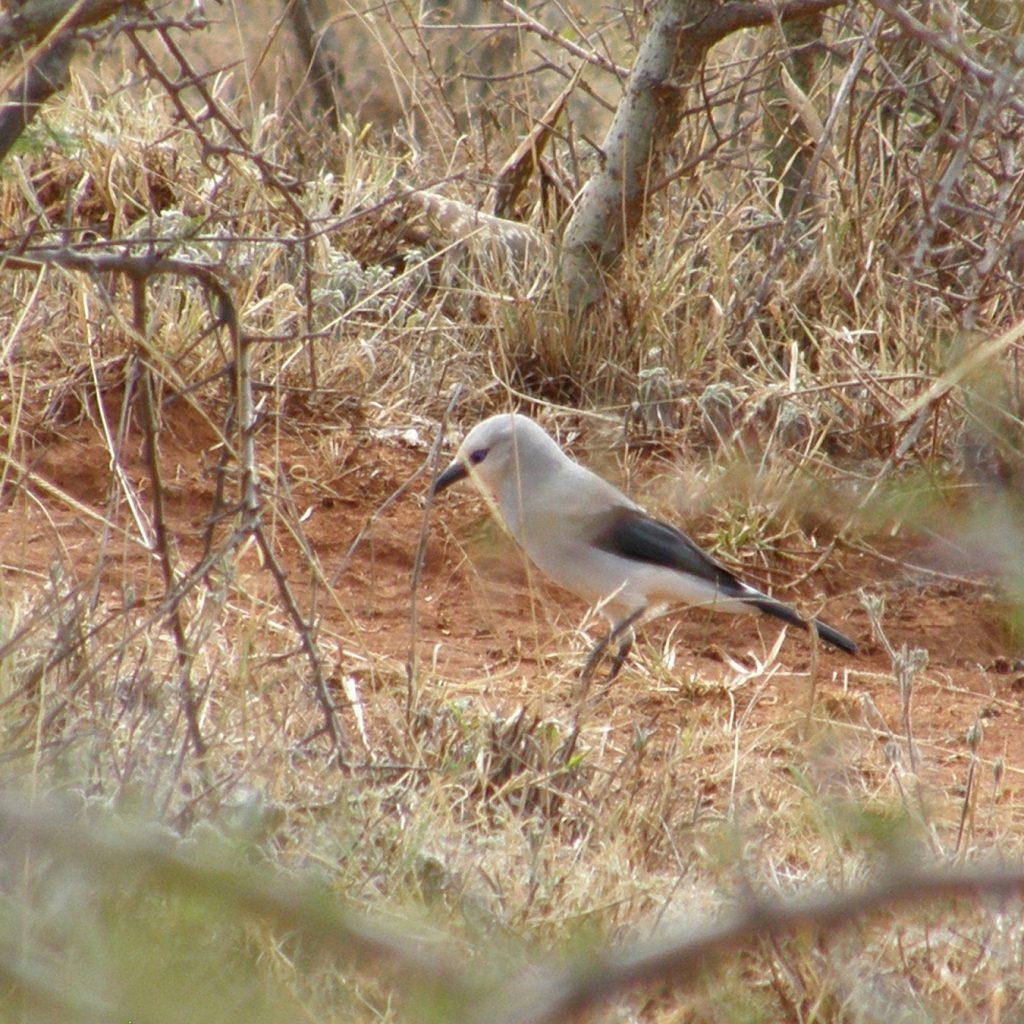
This pale grey bird with black wings and a bare blue patch round the eye is found only in the acacia country of Borena, between Yabello and Mega. It shares that small range with the white-tailed swallow, and the two are the reason a birding trip carries on south past Bale instead of turning for home. Budget a full day in the Yabello area for both.
The Ankober serin lives on steep rocky slopes and cliff tops in the north Shewa highlands. The escarpment at Ankober, north-east of Addis, is the classic site. It is also the clearest example of a bird the current travel advice takes off most itineraries, because Ankober is in Amhara region. More on that below.
Despite the name, this is a warbler, also called the juniper babbler. It lives in dense scrub and juniper undergrowth in the highlands and is far easier to hear than to see. The woodland around the Bale park headquarters at Dinsho is the reliable place. Give it a quiet early morning and let the song bring it out.
The Nechisar nightjar was described in 1990 from a single wing, taken from a roadkill in Nechisar National Park near Arba Minch. No one has confirmed a living one since.
In April 2025, a genetic study posted as a preprint on bioRxiv concluded that the bird was a hybrid. Its mitochondrial DNA matches standard-winged nightjar, the mother, and the authors point to freckled nightjar as the likely father. The paper had not been peer reviewed when posted, and no taxonomic body has removed the species. It is still on both checklists. Do not build a trip around it.
Nechisar is still a fine stop for other reasons. Our guide to Arba Minch, Nechisar and Lake Chamo covers it.
This shapes an endemic trip more than anything else on this page. Read it against your own route. The UK FCDO's advice for Ethiopia was last updated on 16 October 2026.
The FCDO advises against all travel to all of Amhara regional state. That covers Ankober, and with it the Ankober serin and the main site for yellow-throated serin.
In Oromia, it advises against all travel "south and west of the A3 road in North Shewa zone including the A3 road itself in North Shewa", and against all but essential travel to the rest of North Shewa zone. That is the Jemma Valley and Debre Libanos side, home to Harwood's francolin.
In the south, it advises against all but essential travel to "West Guji and Guji zones (except the Hawassa to Mega road)". Yabello and Mega sit on that excepted road. Negele and the Liben Plain do not.
For East Shewa, the advice is all but essential travel, except the Addis Ababa to Adama Expressway, the expressway corridor to Bishoftu, and the Addis Ababa to Hawassa Expressway. Check each lake stop and the Awash leg against that wording, not against the general shape of it. Awash also sits close to the Afar boundary, and the FCDO advises against all but essential travel to Afar, and against all travel to parts of it. Bale zone carries no advise-against designation.
Put simply: of the 15 agreed endemics, three sit in areas the UK government currently advises against: Harwood's francolin, yellow-throated serin and Ankober serin. Leave out the Nechisar nightjar, and the other 11 are all southern birds. Your insurer will usually follow your own government's advice, so check that too.
The southern loop is about two weeks. Our own 14-day Ethiopia birding and wildlife tour runs Addis, Awash, three days in Bale, Negele, Yabello and the Rift Valley lakes. The specialist operators sit in the same range: Birdquest's Ethiopia endemics tour runs 16 days, with its last two days on the Jemma Valley and Ankober.
Bale is where you should not cut days. The altitude arrives fast, from the Rift Valley floor to the Sanetti Plateau above 4,000 metres in a day, and the first morning up top is harder than it should be. Yabello needs a full day for two birds. The drive between them is long and partly unsurfaced, which is why most birding groups take a 4×4 with a driver.
For the timing detail, including why January and February are the only months dry at both ends of the route, see when to go birding in Ethiopia.
22 on the two most used current checklists, though they include different species. Fifteen species are on both. Older counts give 20, and counts in the low thirties include Eritrea.
About two weeks for the southern loop through Awash, Bale, Yabello and the Rift Valley lakes, which covers 11 of the 15 agreed endemics. The three northern escarpment species add about two more days, but currently sit in areas the FCDO advises against. The fifteenth, the Nechisar nightjar, has never been confirmed alive.
January and February. They are the only months dry at both the highland and southern ends of the route on FEWS NET's seasonal calendar. October to December is dry in the highlands but wet in the south.
In southern Ethiopia, at fruiting trees in juniper and mixed forest around Arero near Yabello, and in the Negele and Genale area. Some birding tours now look for it near Yabello.
Only in the acacia savannah of Borena, between Yabello and Mega. The white-tailed swallow shares the same small range.
The bird is still there, but Ankober is in Amhara region. As of the FCDO's 16 October 2026 update, the UK government advises against all travel to Amhara.
The birds are easy enough once you are standing in the right place at the right hour. The hard part is lining up the timing, the roads and the advisory map on the same fortnight.
Send us your dates and the species at the top of your list. You will have a reply within two hours and a detailed itinerary with a quote within 24 hours. Or start from a route that already works: our Ethiopia birding and wildlife tour runs the full southern loop over 14 days.
Feature photograph: blue-winged goose in the Bale Mountains by manschuwa, CC BY 4.0.
