---------------------------------
Address
Phone: +251 988 111 222
Need help or have a question?
Contact us at: info@driveethiopia.com
Addis Ababa, Ethiopia
---------------------------------
Address
Phone: +251 988 111 222
Need help or have a question?
Contact us at: info@driveethiopia.com
Addis Ababa, Ethiopia


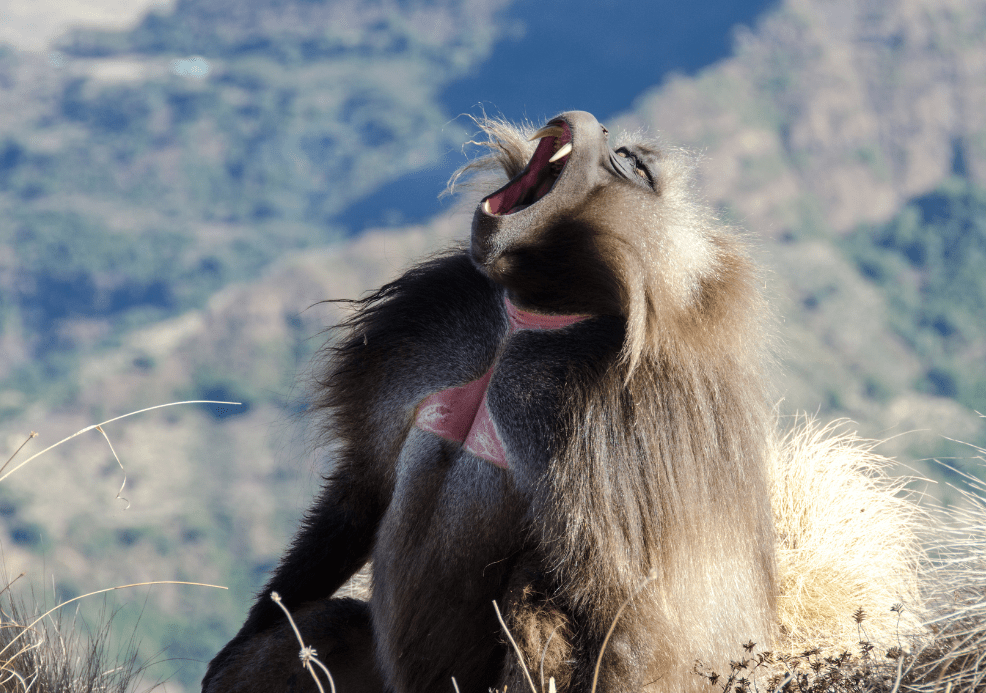
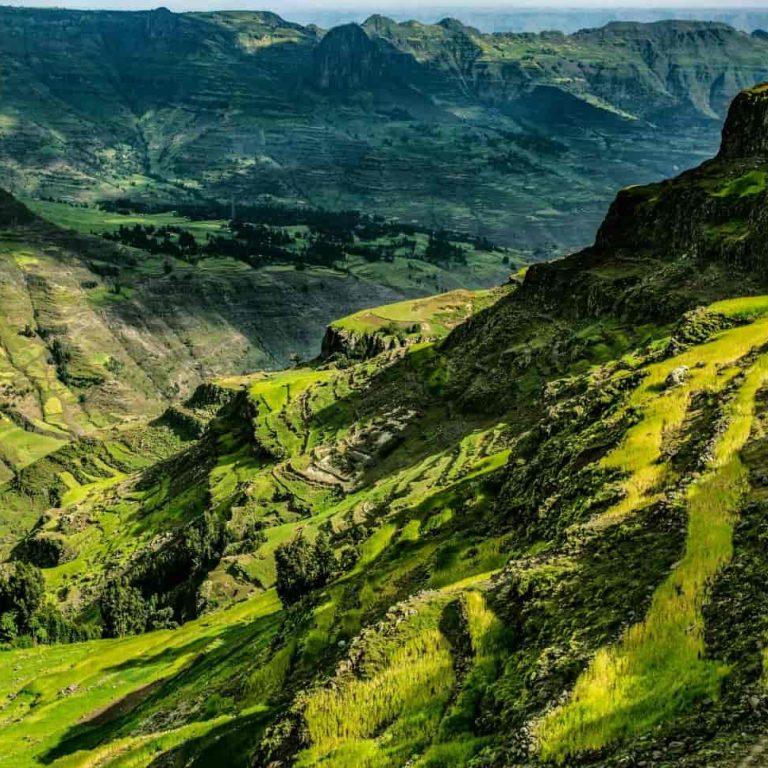
Jagged escarpment peaks, gelada troops and Ethiopia's highest summit, Ras Dashen.
Simien Mountains National Park is a UNESCO World Heritage Site in northern Ethiopia, protecting a dramatic escarpment of jagged pinnacles, deep gorges and high plateau. It shelters endemic wildlife including the gelada monkey, the Walia ibex and the Ethiopian wolf, and contains Ras Dashen, the country's highest peak at roughly 4,550 metres.
Simien Mountains National Park is a high-altitude reserve in Ethiopia’s Amhara region, spread across a plateau that drops away in a vast escarpment of cliffs and eroded spires. The park sits at elevations from about 1,900 to 4,550 metres and covers alpine grassland, heather woodland and afro-montane forest. It was inscribed on the UNESCO World Heritage list in 1978, both for its geology and for the endemic animals that live nowhere else. You will see the name spelled Simien or Semien; both refer to the same range.
The Simien range delivers some of the most concentrated wildlife viewing in Ethiopia alongside genuinely world-class mountain scenery. Large, relaxed troops of gelada monkeys graze on the plateau edge at close range, and the escarpment viewpoints look out over a thousand metres of vertical drop into cloud and farmland below. Trekkers come for multi-day traverses toward Ras Dashen, day walkers come for the ridge-line panoramas, and wildlife watchers come for the Walia ibex and the rare Ethiopian wolf. Few places pair accessible trekking with endemic species this reliably.
The Semien highlands have been settled and farmed for centuries, and the surrounding villages remain part of the living landscape rather than an empty wilderness. The park was formally established in 1969 and became one of the first sites anywhere on the original 1978 UNESCO World Heritage list. For years it appeared on the List of World Heritage in Danger because of population pressure, grazing and declining Walia ibex numbers; conservation work and boundary changes have since improved the situation. Understanding the park as a shared, inhabited landscape helps explain why community scouts and guides are part of every visit.
The park rewards both short day walks and long committed treks. Most visitors build their trip around these experiences:
The most reliable trekking window is the long dry season, roughly October to March, when trails are firm and escarpment views are clearest. The main rains fall from June to September, which greens the plateau but brings mud, mist and slippery paths. Nights are cold year-round at these elevations and can drop below freezing on the high camps, so plan for warm layers regardless of month.
| Period | What to expect |
|---|---|
| October–December | Prime trekking: dry trails, clear skies, lush post-rain plateau. |
| January–March | Dry and popular; very cold nights, excellent long-distance views. |
| April–May | Warmer, dustier, with occasional early showers building. |
| June–September | Main rains: green scenery but mud, mist and reduced visibility. |
Almost everyone reaches Simien through Gondar, the regional hub roughly 900 km north of Addis Ababa. The usual route is to fly Addis Ababa to Gondar and then drive north to Debark, the town at the park headquarters where permits are arranged and scouts assigned. From Debark it is a shorter drive on to the trailheads at Sankaber and Chennek. Driving the whole way from Addis is possible but long and typically broken over two days. Confirm current Addis–Gondar flights and the Gondar–Debark drive time close to travel.
How long you need depends entirely on ambition. A single full day gives you gelada monkeys and a headline viewpoint. Two to three days let you sample the classic escarpment traverse with a night or two on the plateau. Reaching Ras Dashen and returning safely is a serious undertaking that needs the better part of a week with proper acclimatisation.
| Trip type | Suggested time |
|---|---|
| Day trip / taster | 1 day (viewpoints and geladas from Debark). |
| Classic escarpment trek | 3–4 days (Sankaber to Chennek and back). |
| Ras Dashen summit | 6–8 days (full traverse with acclimatisation). |
Options range from basic to comfortable. Inside the park there are designated campsites at Sankaber, Geech and Chennek with simple facilities, and camping is the norm for trekkers. For those wanting a bed and a hot meal, Simien Lodge sits about 40 minutes’ drive from the park entrance town of Debark, with tukul rooms and solar underfloor heating, and Limalimo Lodge is roughly ten minutes from Debark on the edge of an escarpment with twelve rooms and an all-inclusive rate. Limalimo is small and often booked months ahead. Debark and Gondar offer standard hotels for the nights either side of a trek. Confirm current availability and rates directly with the lodge.
This is genuine cold-mountain terrain, so pack for it. Bring warm insulating layers, a windproof and waterproof shell, a hat and gloves, and a sleeping bag rated for below-freezing nights if camping. Add sturdy broken-in boots, strong sun protection for the high-altitude light, a headtorch, a reusable water bottle with purification, and any personal medication. Trekking poles help on the steep escarpment descents.
The main practical risks in the Simien are altitude and weather rather than crime: ascend gradually, stay hydrated and know the symptoms of altitude sickness, especially on any Ras Dashen attempt. Trails near cliff edges demand care in mist. Northern Ethiopia’s wider security situation has fluctuated in recent years, so check your government’s current travel advisory before you travel and follow your operator’s guidance.
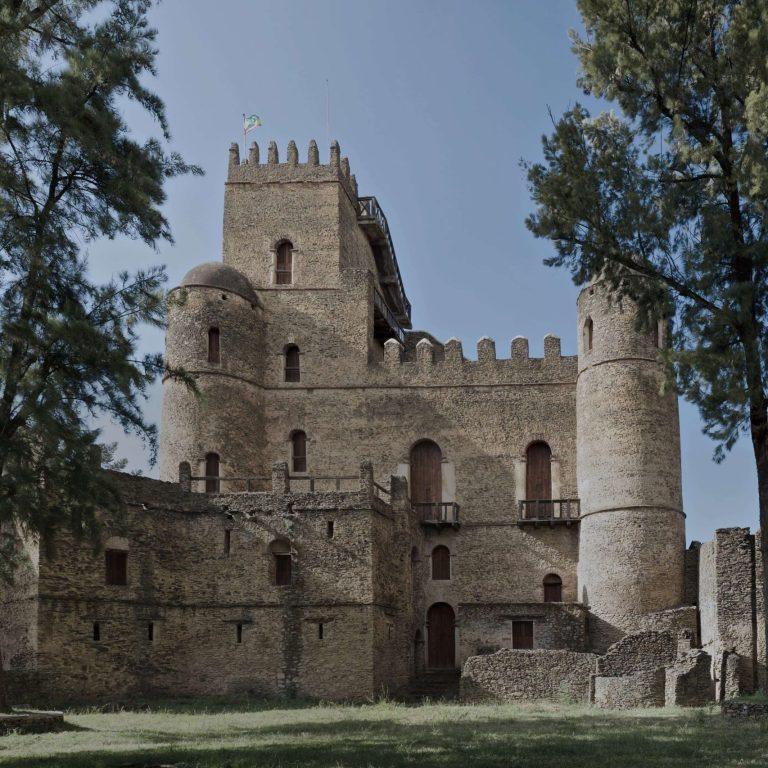
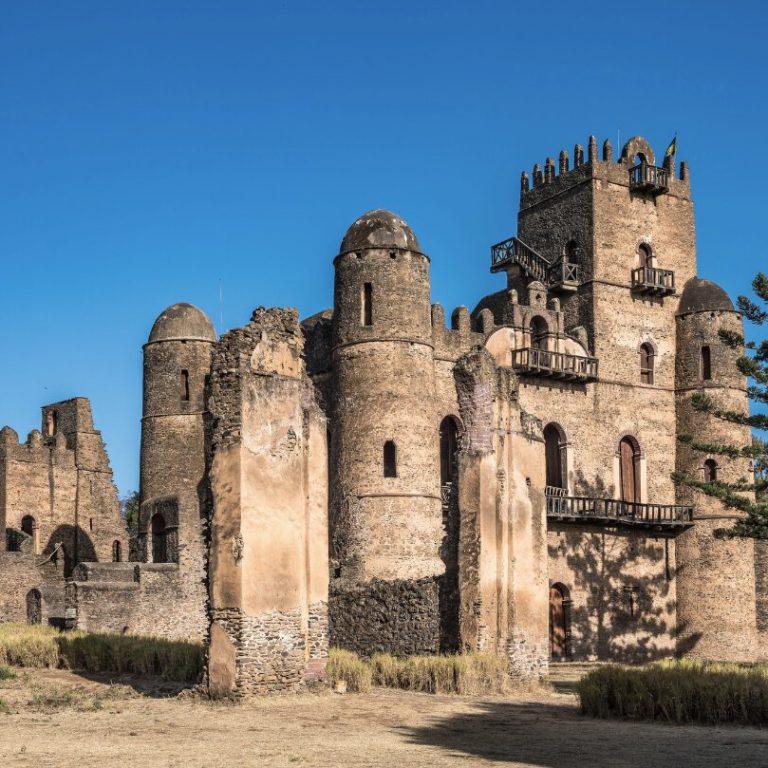
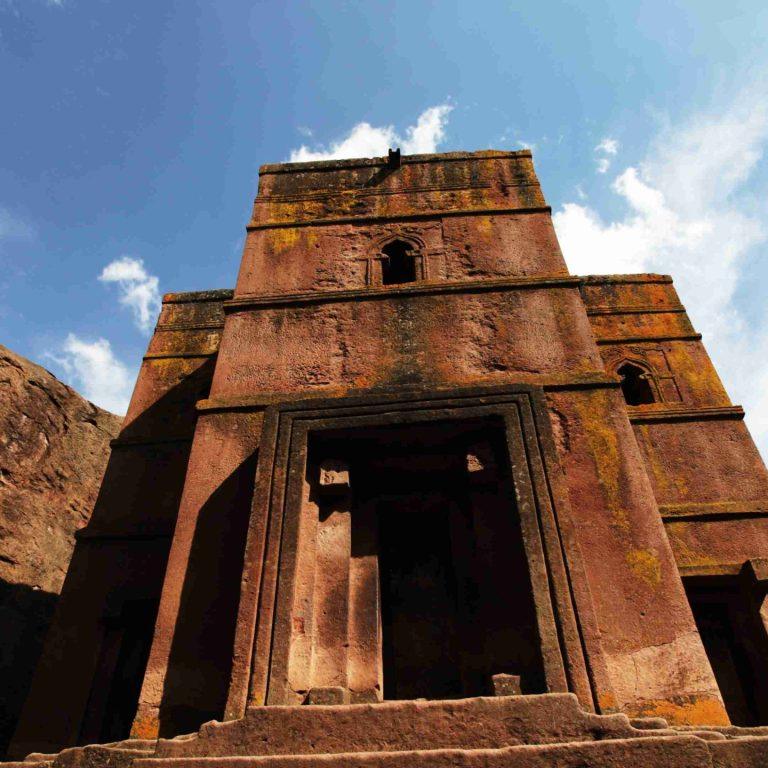
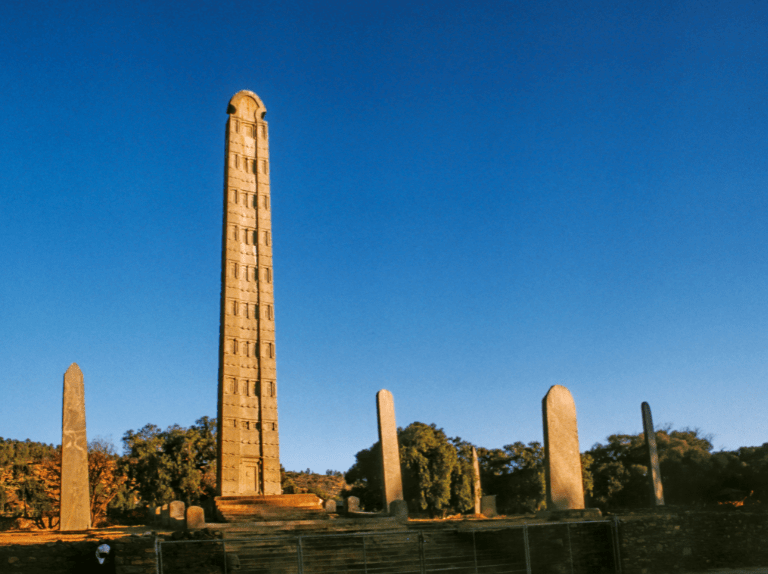
Simien pairs naturally with the historic north. Gondar, with its castle complex, is the gateway and an easy add-on before or after a trek. From there many travellers continue the northern circuit to the rock-hewn churches of Lalibela and the ancient stelae of Axum, or head south to Bahir Dar on Lake Tana. A common itinerary is Gondar and its castles, then two to four days trekking Simien, then a flight onward to Lalibela.
An armed community scout is compulsory for every visitor, and a guide is required for multi-day treks. Both are arranged at the Debark park headquarters or through your operator.
Ras Dashen, the highest peak in the Simien range and in Ethiopia, stands at roughly 4,550 metres. Reaching it needs several days and proper acclimatisation.
They are just two spellings of the same mountain range and national park. Simien is the more common form in English, but Semien appears frequently too.
Yes. From Debark you can drive to viewpoints, watch gelada monkeys and take a short walk in a single day, though multi-day trekking reveals far more of the escarpment.
The park is famous for endemic species: large gelada monkey troops, the Walia ibex on the crags, and the rare Ethiopian wolf on the higher moorland, plus varied birdlife.
The dry season from October to March gives the firmest trails and clearest views. The June to September rains bring mud and mist. Nights are cold year-round.
Most travellers fly from Addis Ababa to Gondar, then drive north to Debark at the park gate. Confirm current flight frequency and drive times before you travel.
A 17th-century imperial capital of stone castles, churches and Timkat crowds.
Read More about Gondar →Ethiopia's holy city of 11 medieval churches carved down into living rock.
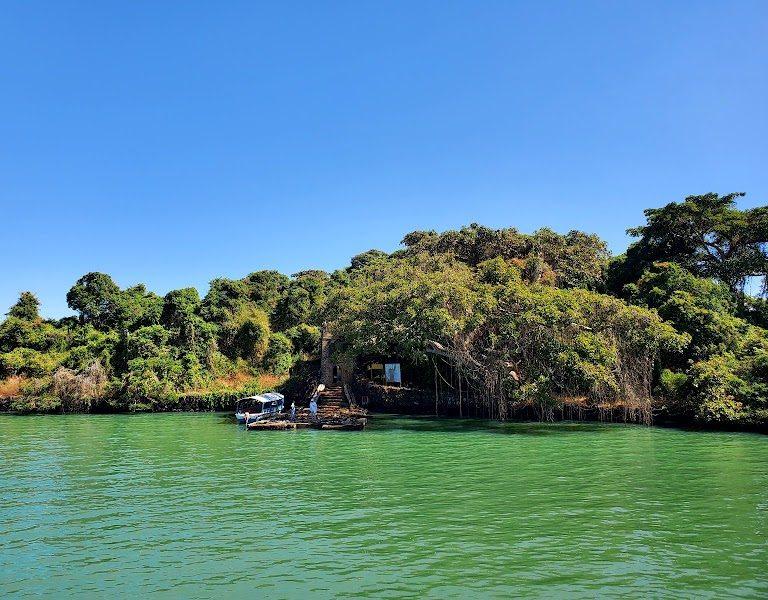
Read More about Lalibela →Lakeside city, island monasteries and the source of the Blue Nile.
Read More about Bahir Dar & Lake Tana →