---------------------------------
Address
Phone: +251 988 111 222
Need help or have a question?
Contact us at: info@driveethiopia.com
Addis Ababa, Ethiopia
---------------------------------
Address
Phone: +251 988 111 222
Need help or have a question?
Contact us at: info@driveethiopia.com
Addis Ababa, Ethiopia


When the light is best in Ethiopia, where to shoot outside the UK's all-travel areas, and the rules for photographing people, churches and drones.
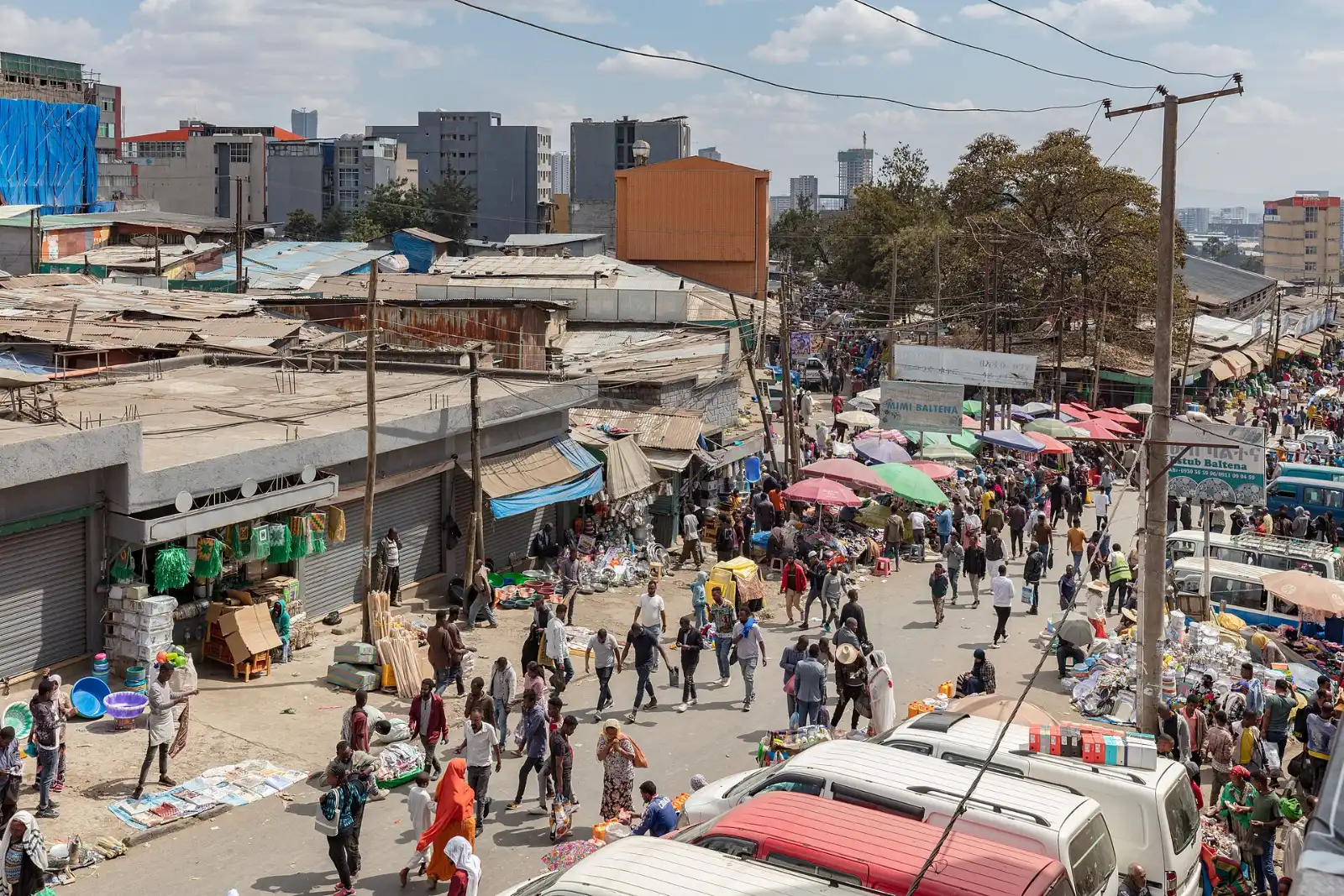
The best light for photographing Ethiopia comes in the hour after sunrise and the hour before sunset, and near the equator those hours barely move. In Addis Ababa the sun rises between about 6:13 and 6:45 in the morning all year and sets between about 6:00 and 6:50 in the evening. Ask before you photograph anyone. In the Omo Valley, photography is paid for separately and agreed in advance. Military sites and the Presidential Palace are off limits, and drones need official permission. As of 8 November 2026 the UK advises against all travel to Amhara and Tigray, so Lalibela, Gondar, the Simien Mountains and Axum are for a later trip.
This guide covers when the light is good, where to point a camera now, the rules for people, churches and drones, and what to leave at home.
Close to the equator, the sun climbs fast and drops fast. The useful soft light is short, so plan to be in position before sunrise rather than at it. Here are the times for Addis Ababa through a year.
| Date | Civil twilight starts | Sunrise | Sunset |
|---|---|---|---|
| 15 November 2026 | 5:56 | 6:18 | 18:01 |
| 15 January 2027 | 6:22 | 6:44 | 18:23 |
| 15 April 2027 | 5:54 | 6:15 | 18:34 |
| 15 July 2027 | 5:50 | 6:12 | 18:49 |
Times are East Africa Time, calculated by sunrise-sunset.org for central Addis Ababa, read 8 November 2026.
Twilight before sunrise lasts a little over 20 minutes on each of those dates. That is your blue hour, and it is brief.
Elsewhere the clock shifts with longitude. On 15 January 2027 the sun sets at about 18:10 in Harar, in the east, and at about 18:38 in Jinka, in the south west, on the same calculation. Check the times for each stop rather than carrying the Addis ones around the country.
Ethiopia has its own clock, counted from dawn and running six hours apart from yours. A time given in Amharic can be six hours away from the one on your watch, which matters when you are trying to catch a sunrise. Agree the start in international time, and say so out loud. Our guide to the Ethiopian calendar and clock has a conversion table.
The FCDO advice changes the map. This table puts the places outside the UK's all-travel areas first, with the advice as it read on its page updated 30 October 2026.
| Place | FCDO position, 30 October 2026 | Best time of day | Lens to pack |
|---|---|---|---|
| Addis Ababa streets and Mercato | Not under travel advice. Crime warnings for Bole Medhanealem, Bole Atlas, Meskel Square, Yeka Hills and Entoto | Early morning, before traffic and haze | 24 to 70 mm, a small camera draws less attention |
| Harar old town and the hyena feeding | Harari region is not named in the advice | Old town early in the morning, the hyenas after dark | A fast prime, and high ISO for the evening |
| Bale Mountains, Sanetti Plateau | Not under all-travel advice. Demonstrations reported in Bale zone | Early morning and late afternoon, when wolves hunt | 300 mm or longer |
| Arba Minch and Lake Chamo | No warning for the town or lake | Morning, on the boat | 100 to 400 mm for crocodiles and birds |
| Konso and Dorze | No warning | Morning, before the light goes flat | Wide angle for terraces and houses |
| Dimeka and Key Afer markets, Omo Valley | Outside the all-travel areas. The southern warning covers 10 km from the Kenya and South Sudan borders | Arrive as trading starts | 35 to 85 mm, and time without the camera up |
Further down the list:
A note on Bale: the FCDO says protests occur periodically in towns across Oromia and names Shashemene, in West Arsi, among the towns particularly affected. Ask us to check the road you would take before you book. Our Bale Mountains guide covers where on the plateau the wolves are seen.
The hyena feeding in Harar happens outside the city walls every evening, after dark, and it does not move for visitors. That makes it the hardest light on this list. A fast lens and a camera that copes at high ISO matter more than reach. Our Harar guide explains why the families feed them and why it is worth two nights.
Ask first, every time. Accept no. A photograph you were allowed to take a minute ago is not permission for the next one.
A gesture at the camera and a nod is enough to ask. If someone wants to see the picture afterwards, show it.
Do not photograph children without an adult's agreement.
Visits here are arranged, and photography has its own payment. There are two separate payments, and they go to different people.
We do not print an amount. Rates are agreed village by village, no authority sets them, and the figures in published accounts vary widely. Agree the terms through your guide before the vehicle stops, and carry small notes in cash.
The markets are the better place for pictures. At Dimeka on Tuesdays and Saturdays and Key Afer on Thursdays, Hamar, Bana, Tsemay and other peoples come to trade rather than to be visited. Buy something, drink coffee and ask before you shoot. The balance between you and the person in front of the lens is very different from a village stop.
Our Omo Valley guide covers the payments, the criticism of paid photography and the etiquette in full. The Omo Valley tour page has our routes. Those routes run south through Arba Minch, Konso and Jinka, which are outside the FCDO's all-travel areas as of 30 October 2026. The FCDO warning for those southern regions is the 10 km strip along the Kenya and South Sudan borders, including the shores of Lake Turkana.
Ethiopian Orthodox churches are working places of worship. Treat a camera in one as you would in a church at home during a service.
Timkat, the Orthodox Epiphany, falls on 19 January in 2027. The tabot is carried out of each church in procession and taken to water, which is the moment photographers wait for. Gondar's celebration is the famous one, but Gondar is in Amhara and under the all-travel advice. Addis Ababa also holds Timkat. The FCDO lists Timket among dates with large crowds, and places of worship and festivals among places where attacks could occur, so stay with your guide and agree a meeting point.
The FCDO puts it plainly: "It is illegal to take photos near military zones or of military personnel, near the Presidential Palace in Addis Ababa, or anywhere that there are signs prohibiting photography."
Add police checkpoints and government buildings to that list as a matter of sense. If a soldier or official asks you to delete a picture, delete it.
Leave the drone at home unless you have arranged the paperwork long before you fly.
The FCDO says it is illegal to bring drones into or out of Ethiopia "without prior approval from the Customs and Information Network and Security Agency." Flying one needs a second permission: "The use of drones is subject to permission from the Ethiopian Civil Aviation Authority and Information Network and Security Agency."
The same import rule covers binoculars and satellite phones. That catches birders and wildlife photographers by surprise, so check the current position before you pack a pair.
For filming or audio equipment, the FCDO passes on the Ethiopian Embassy in London's advice to check with your tour operator or local contact before travelling, as special customs rules may apply. Journalists also need Media Arrival entry clearance.
We do not quote a drone permit fee. The figures in circulation trace to travel blogs and tour operator pages, not to the aviation or security authorities, and we could not confirm any of them.
A private car with a driver is the simplest way to be somewhere at 6:15 in the morning and to stop when the light is right. Our car with driver page explains how that works.
The first hour after sunrise and the last hour before sunset. In Addis Ababa sunrise falls between about 6:13 and 6:45 and sunset between about 6:00 and 6:50 in the evening across the year, and twilight lasts only a little over 20 minutes.
Outside the Omo Valley the ordinary rule applies: ask, and accept no. In the Omo Valley photography is charged separately, usually per photograph or per person, and goes to the person photographed. Agree the terms through your guide before you arrive.
Only with permission. The UK FCDO says importing a drone needs prior approval from Customs and the Information Network and Security Agency, and flying one needs permission from the Ethiopian Civil Aviation Authority and that agency.
Ask the priest or guardian first, because the rule is set church by church. Never photograph the inner sanctuary, where the tabot is kept, and do not photograph people at prayer without their agreement.
The FCDO lists military zones and military personnel, the area near the Presidential Palace in Addis Ababa, and anywhere with signs prohibiting photography. Avoid checkpoints and government buildings as well.
We do not recommend it. As of 8 November 2026 the FCDO advises against all travel to Amhara region, where both are. Harar, Bale, Arba Minch and the Omo Valley are outside the all-travel areas, with narrower warnings to read first.
Tell us which pictures matter to you, the light you want and when you can travel. We will build a route outside the areas under all-travel advice, time the drives around sunrise and market days, and tell you plainly what the current warnings mean for it. You will have a reply within two hours and a detailed itinerary with a quote within 24 hours.
Feature photograph of Addis Mercato by Diego Delso, CC BY-SA 4.0, via Wikimedia Commons.
