---------------------------------
Address
Phone: +251 988 111 222
Need help or have a question?
Contact us at: info@driveethiopia.com
Addis Ababa, Ethiopia
---------------------------------
Address
Phone: +251 988 111 222
Need help or have a question?
Contact us at: info@driveethiopia.com
Addis Ababa, Ethiopia


Incentive travel in Ethiopia after a conference: half-day, one-day and two-day programmes outside FCDO no-go areas, when to fly or drive, and what we arrange.
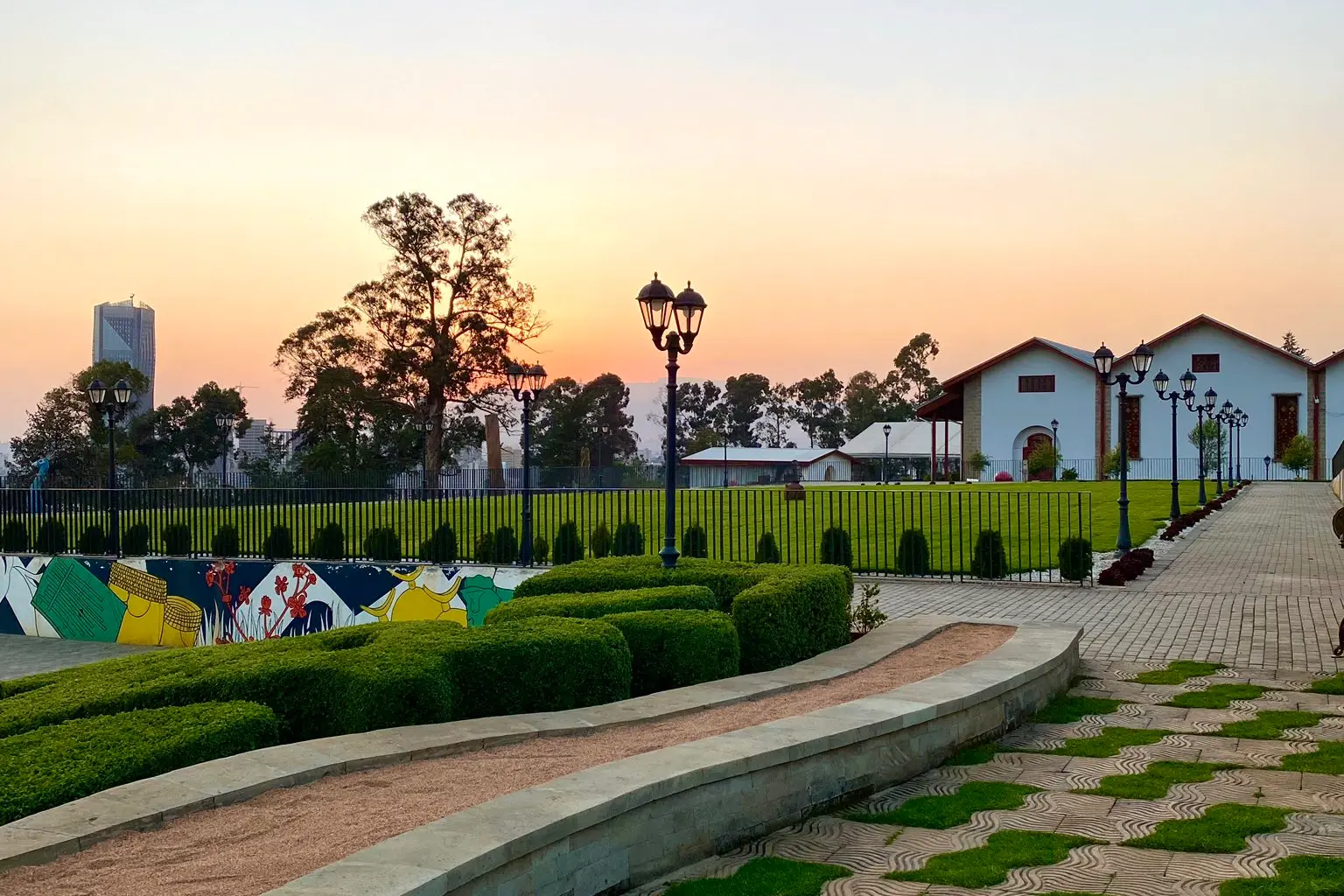
The incentive programmes that work after a conference in Addis Ababa are short ones that stay where the travel advice is clear: an afternoon in the capital, a day at the Bishoftu crater lakes, or two days in Harar by air. All three fit inside a two-day window after the closing session, none needs an overnight drive, and each keeps the group outside the areas the UK Foreign Office advises against visiting. If the group has three days, a road trip south to the Rift Valley lakes or Hawassa becomes possible, with the caveats explained below.
This guide is for planners turning the end of a conference into a reward or team programme. It covers the four options by length, when to fly and when to drive, and what we can arrange for you.
Corporate travel runs on duty of care, so start with the advice your insurer will read. The UK Foreign, Commonwealth and Development Office (FCDO) updated its Ethiopia advice on 30 October 2026. It advises against all travel to Amhara, Tigray and Gambela, and to large parts of western Oromia and the border areas. For the rest of Afar beyond its border zones, it advises against all but essential travel.
That rules out the historic northern circuit for now. Lalibela, Gondar, Bahir Dar and the Simien Mountains are all in Amhara. Danakil and Erta Ale are in Afar. None of them belongs in an incentive programme while that advice stands.
The FCDO lists no warning for Addis Ababa, Harari region, Dire Dawa or Sidama region. Its advice for East Shewa zone, which surrounds the capital to the south and east, is against all but essential travel, with three exceptions: the Addis Ababa to Adama Expressway, a strip 10 km either side of the expressway between Addis Ababa and Bishoftu, and the A7 from the expressway junction south to Hawassa. Those exceptions are what make Bishoftu and the road to Hawassa workable.
Two more lines from the same advice shape every programme below. The first: "Avoid driving after dark anywhere outside Addis Ababa." The second is a list of places in the capital where crime against foreign nationals has risen: Bole Medhanealem, Bole Atlas, Meskel Square, Yeka Hills and Entoto.
| Length | Programme | How you travel | FCDO position (30 Oct 2026) |
|---|---|---|---|
| Half day | Addis Ababa: Unity Park, the Adwa Victory Memorial, the National Museum | Minibus or coaster in the city | No warning for Addis Ababa |
| One day | Bishoftu crater lakes | Road, about 45 km each way | Inside the 10 km corridor exception |
| Two days | Harar and Dire Dawa | Fly to Dire Dawa, road to Harar | No warning for Harari or Dire Dawa |
| Three days | Rift Valley lakes or Hawassa | Road on the A7 | The A7 itself is excepted; see below |
Group capacity for each programme is confirmed with your quote. It depends on vehicles, hotel rooms and, for Harar, flight seats on your dates.
For a group that leaves the next morning, a half day in the capital is the realistic reward. Conferences already do this. When the Parliamentary Intelligence-Security Forum closed in July 2026, its official post-conference programme took international delegates to the National Palace and the Adwa Victory Memorial, according to the Ethiopian News Agency.
A half-day route that works:
Our Addis Ababa city tour covers the standard city stops and can add Unity Park. For a group, we plan it as a private programme timed around your closing session. Keep it to daylight and leave the crime areas named above off the walking parts of the route. Our guide to new attractions in Addis Ababa covers the newer sites in more depth.
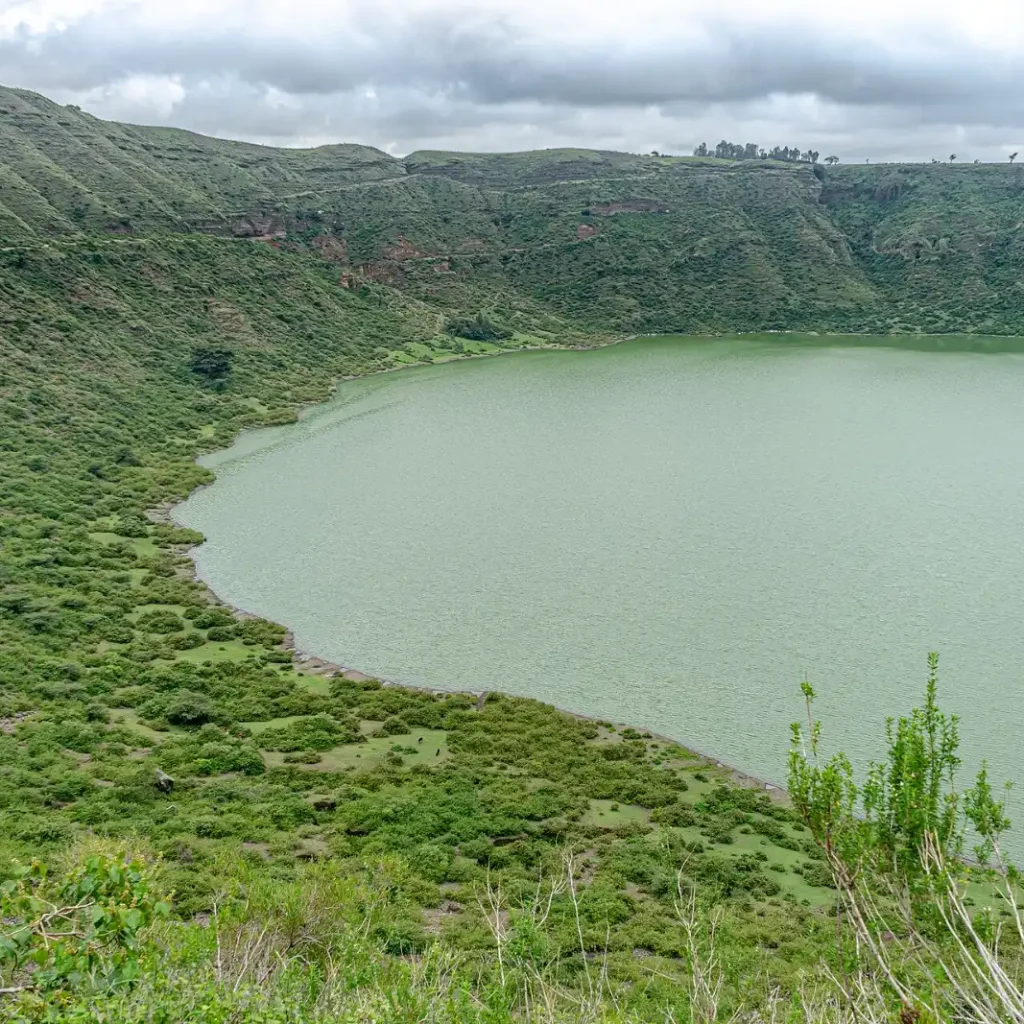
Bishoftu is the simplest full-day programme from Addis Ababa. Our route measurement on OpenStreetMap data puts central Bishoftu about 45 km from Meskel Square, 44 minutes in free-flowing traffic, and around an hour in practice. The lakes sit inside the FCDO's corridor exception.
The town is ringed by volcanic crater lakes. Lake Hora is our pick for a first visit, and Lake Bishoftu is best seen from the crater rim. Lakeside resorts give a group a long lunch, a walk and time to unwind, which is often what delegates want after several days in plenary sessions.
Plan the day so the coaches are back in Addis Ababa before dark. Our Bishoftu crater lakes guide explains which lake to see first and how the travel advice applies to each.
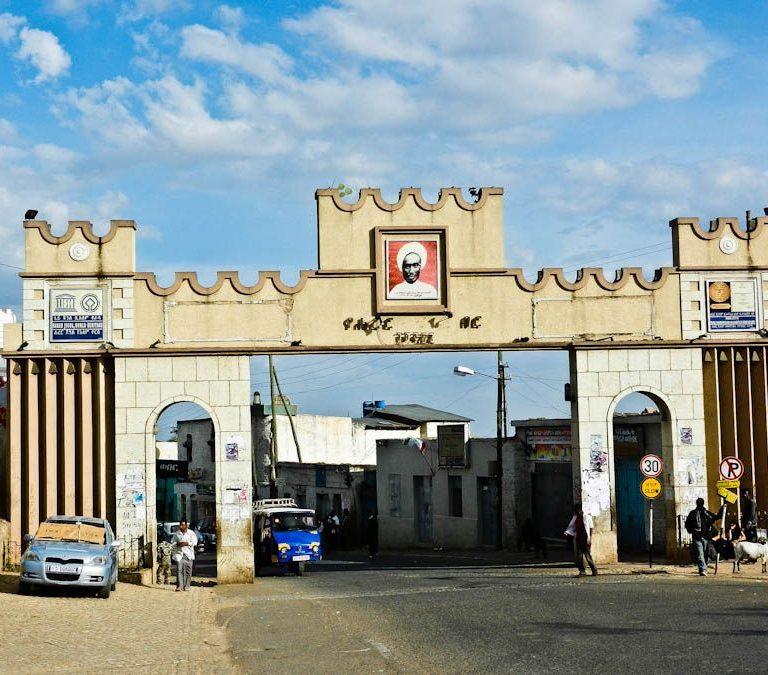
Harar is the strongest two-day programme, because it is somewhere few delegates would reach on their own. The walled old town, Jugol, is a UNESCO World Heritage Site and the home of the Harari people, with its gates, mosques and shrines. In the evening, hyenas are fed outside the walls.
Fly, do not drive. Ethiopian Airlines lists flights from Addis Ababa to Dire Dawa on its website, and our Harar and Dire Dawa tour describes the flight as about an hour. From Dire Dawa, Harar is about 52 km by road, just under an hour on our OpenStreetMap measurement.
The road from Addis Ababa is a different matter. Heading east, it leaves the expressway corridor and runs through the rest of East Shewa zone and into Afar region, both under FCDO advice against all but essential travel. It is also a full day's drive, which a short programme cannot spare.
A workable shape is a morning flight to Dire Dawa and the drive up to Harar, the old town in the afternoon and the hyena feeding at dusk. The next morning covers more of Jugol, then the group drives to Dire Dawa for the return flight. Our guide to Harar Jugol and the hyena men explains how the feeding works and how to visit respectfully.
For a group, flight seats are the constraint. Book the domestic legs as soon as numbers are firm, because a group block is harder to find close to the date than a single seat.
With three days, the group can go south by road. Our Great Rift Valley tour is a three-day route covering Lake Ziway, Lake Langano and Abijatta-Shalla National Park, with nights at lakeside resorts.
Read the advice closely before choosing it for a corporate group. The FCDO exception covers the A7 road itself. Batu on Lake Ziway and parts of Abijatta-Shalla lie in East Shewa zone, where the advice outside the exception is against all but essential travel. For some insurers and travel policies that settles the question, so check yours first.
Hawassa is the alternative. It sits where the excepted stretch of the A7 ends, in Sidama region, where the FCDO lists no warning. Our OpenStreetMap measurement puts it 279 km from central Addis Ababa, about three and a half hours of driving, so the group travels on day one, has a full day at the lake on day two and drives back on day three, all in daylight.
The choice comes down to distance, daylight and the travel advice.
Drive Ethiopia supports conferences and events with five services: venue sourcing and booking, hotel room blocks, delegate airport transfers from 35 US dollars, group transport during the event, and pre- and post-event tours. An incentive programme draws on the last three. We run sedans, minibuses, coasters and coaches, with ten or more of each type, and we need at least 72 hours' notice for a group booking.
We do not issue visa or invitation letters. Those come from the event organiser, and our Addis Ababa conference venues guide explains the conference visa route. For arrivals and hotel shuttles during the event itself, see our delegate transport guide.
Not while the current advice stands. The FCDO, in advice updated 30 October 2026, advises against all travel to Amhara region, which includes Lalibela, Gondar, Bahir Dar and the Simien Mountains. We plan programmes in Addis Ababa, Bishoftu, Harar and the south instead.
A half day in the capital: Unity Park, the Adwa Victory Memorial and the National Museum, timed to start after the closing session and finish in daylight.
Fly. Ethiopian Airlines lists flights from Addis Ababa to Dire Dawa, and Harar is about 52 km from there by road. The road from Addis Ababa passes through areas under FCDO advice against all but essential travel and takes most of a day.
Capacity is confirmed with your quote. It depends on the vehicles, hotel rooms and flight seats available on your dates. We run ten or more of each vehicle type, from sedans to coaches.
At least 72 hours for group transport. For a programme with flights and hotel rooms, ask as soon as your dates and numbers are firm.
No. Invitation letters come from the event organiser. We handle transport, hotel room blocks, venue sourcing and the tours themselves.
Send us your conference dates, group size, hotel and the window you have after the closing session, and we will propose a programme that fits. You will have a reply within two hours and a detailed itinerary with a quote within 24 hours.
Send us your brief or read our delegate transport guide.
Photographs: Lake Bishoftu by Nina R from Africa, CC BY 2.0; Unity Park by ምቅ37382, CC BY-SA 4.0; both via Wikimedia Commons.
