---------------------------------
Address
Phone: +251 988 111 222
Need help or have a question?
Contact us at: info@driveethiopia.com
Addis Ababa, Ethiopia
---------------------------------
Address
Phone: +251 988 111 222
Need help or have a question?
Contact us at: info@driveethiopia.com
Addis Ababa, Ethiopia


The classic northern circuit day by day: Bahir Dar, Gondar, the Simien, Axum and Lalibela, with driving times and what ten days adds over seven.
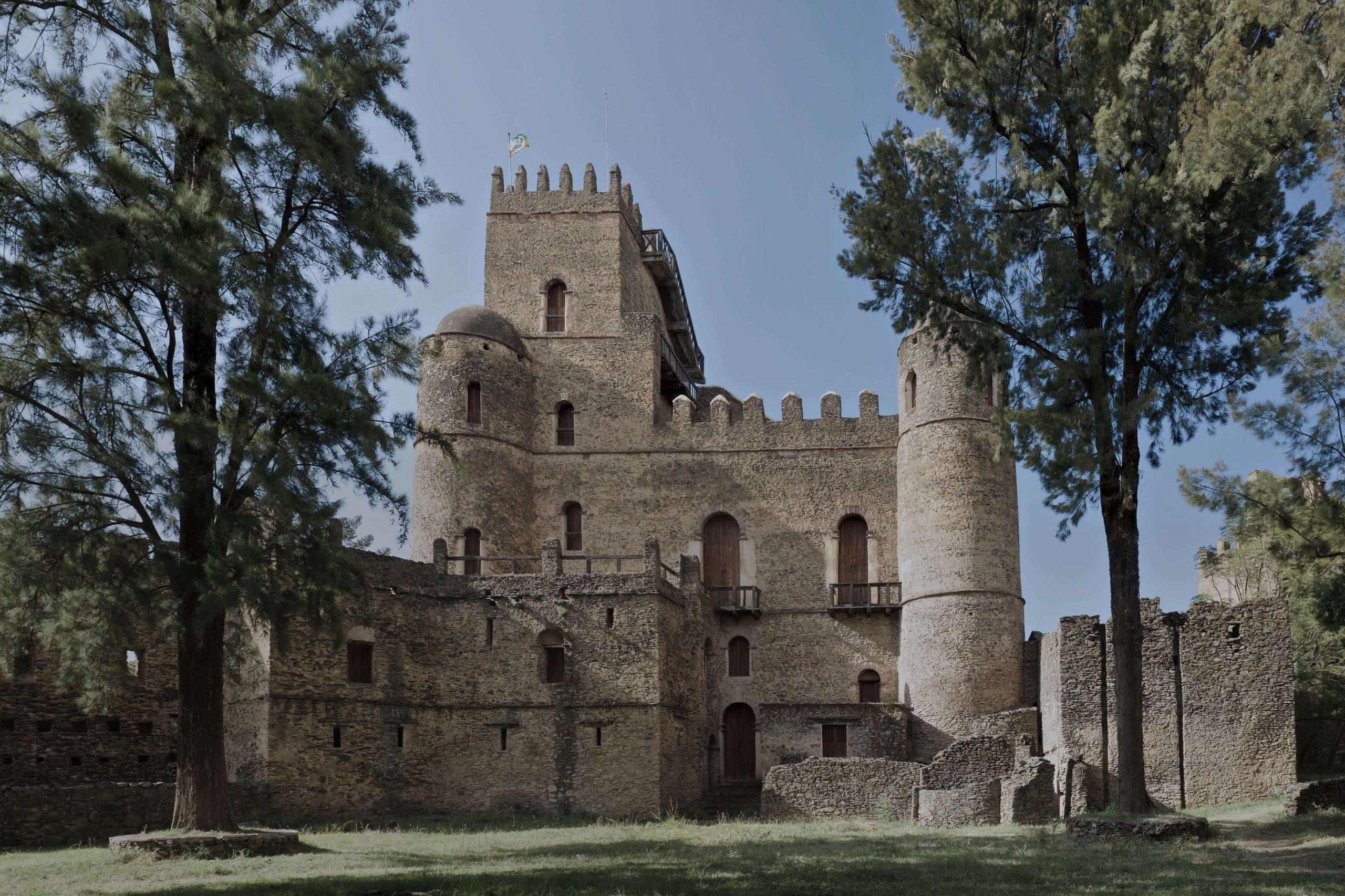
Ten days is enough to do Ethiopia's historic route properly rather than at a run. Seven days covers Bahir Dar, Gondar, the Simien and Lalibela. The extra three let you add Axum, give Lalibela the time it deserves, and stop treating the Simien as a photo stop.
The route below is the classic northern circuit. It runs Addis Ababa, Bahir Dar, Gondar, the Simien Mountains, Axum and Lalibela, using domestic flights for the long legs and driving the short ones. That combination is what makes ten days work here and it is why the north fits more in than the south does.
One thing to settle before you read on. Axum sits in Tigray, and the UK Foreign Office currently advises against all travel to Tigray. It is on this itinerary because it is part of the classic route and people search for it, but it is a leg to raise with your operator rather than assume. More on that at day seven.
| Leg | How | Distance and time |
|---|---|---|
| Addis Ababa to Bahir Dar | Flight | Short domestic hop |
| Bahir Dar to Blue Nile Falls | Road, return trip | About 35 km, roughly an hour each way |
| Bahir Dar to Gondar | Road | About 170 km, around two and a half hours |
| Gondar to Debark, for the Simien | Road | About 100 km, and published times run from 1.5 to 3 hours |
| Gondar to Axum | Flight | Short domestic hop |
| Axum to Lalibela | Flight | Short domestic hop |
| Lalibela to Yemrehanna Kristos | Road, return trip | 42 km, and slower than that sounds |
The Gondar to Debark leg is worth a note. Sources disagree by a factor of two on the same hundred kilometres, which tells you the road surface and the traffic decide it rather than the distance. Assume the longer figure when you plan the day.
Land at Bole, transfer, sleep. That is the whole day and it should be.
You arrive at about 2,355 metres. If your flight lands at dawn after a long night, do not schedule anything demanding. Our Addis Ababa itinerary guide covers what fits if you do want a half day here.
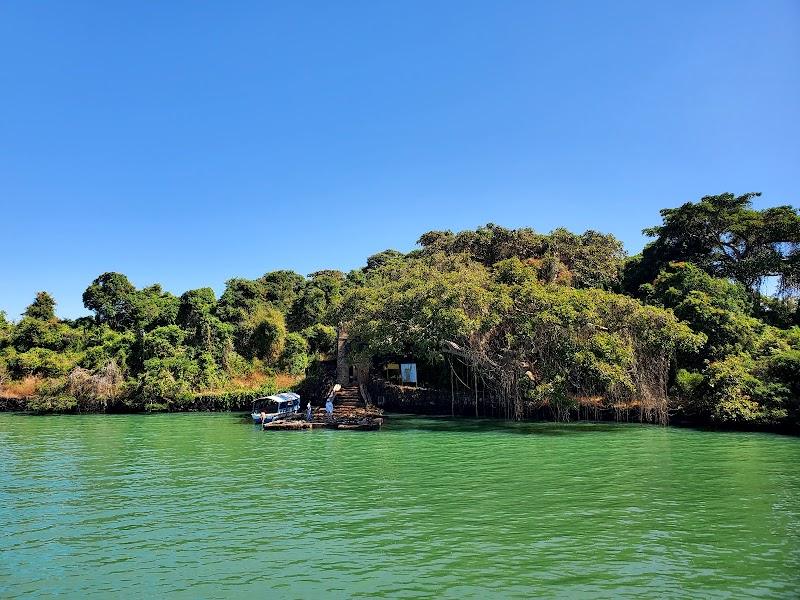
The first flight of the trip, and the first reason the north works in ten days.
Lake Tana holds island monasteries reached by boat, several of them still functioning and some restricted to men. Ura Kidane Mehret on the Zege peninsula is the one most itineraries take, for its painted interior.
Ask which monasteries your day includes and whether any are closed to women, because that varies by monastery and it is better known in advance than at the jetty.
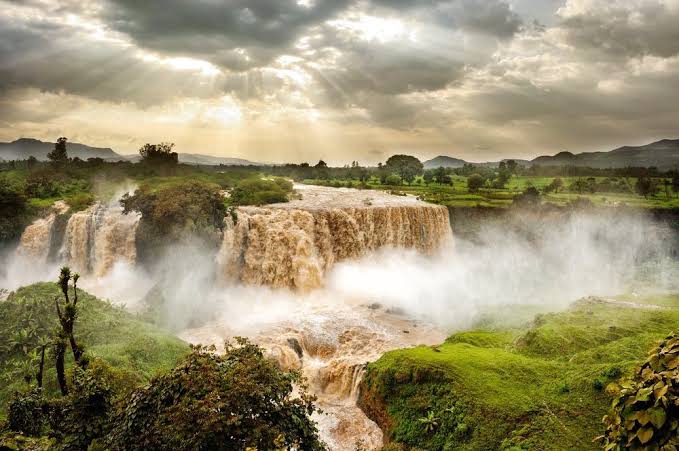
About 35 km from Bahir Dar and roughly an hour each way on the road, then a walk to the falls themselves.
Set your expectations by season. The falls are dramatic after the kiremt rains and much reduced in the dry months, partly because of upstream hydroelectric abstraction. If you are travelling in January or February, which is the best window for the country as a whole, you are seeing them at lower flow. That is a trade worth making, but know you are making it.
About 170 km and around two and a half hours on tarmac, so this is a half day of travel rather than a full one.
Gondar is the seventeenth-century imperial capital. The Royal Enclosure, or Fasil Ghebbi, is a walled compound of castles and palaces, and it is the thing people come for. Debre Birhan Selassie church, with its ceiling of winged angel faces, is the other. Fasilides' Bath is a short drive out and is where Timkat is celebrated in January.
About 100 km to Debark and the park headquarters, where permits are issued and an armed community scout is assigned. The scout is compulsory for every visitor, including day visitors who never camp.
A day in the park from Debark gets you escarpment viewpoints and, reliably, gelada troops. It does not get you the range. If you want to actually walk the Simien rather than look at it, our trekking routes guide sets out the three route lengths and what each one needs, and it changes the shape of this itinerary considerably.
Back down and out. On a ten-day trip this is the day you can flex: a second park day if the weather was poor, or an earlier return and more of Gondar if it was not.

Read this before you book it. Axum is in Tigray, and as of the FCDO update on 19 August 2026 the UK Foreign Office advises against all travel to Tigray region. Our own seven-day northern itinerary does not include Axum, which is why it is worth asking us directly rather than assuming this leg is running.
If it is running, Axum is the oldest thing on the route by a long way. The stelae field holds carved granite obelisks, the largest of which are among the biggest single pieces of stone ever quarried and raised. St Mary of Zion is where the Ark of the Covenant is held by tradition to reside, in a chapel no visitor enters. There are rock-cut tombs and the ruins traditionally called the Queen of Sheba's palace.
Axum is the leg most likely to change on this itinerary. Treat it as the flexible one.
Lalibela has eleven rock-hewn churches, cut down into the volcanic rock rather than built up from it, in the late twelfth and early thirteenth centuries.
Start with the northern group: Bete Medhane Alem, the largest monolithic rock-hewn church in the world, Bete Maryam, the most densely decorated, and Bete Golgotha Mikael, which holds the tomb attributed to King Lalibela.
Shoes come off at every church, so bring socks. You will do it eleven times over two days.
The other half, reached through the trenches and tunnels that connect the site. Bete Amanuel has the finest carving on the route, its exterior cut to imitate Aksumite layered walling.
Leave Bete Giyorgis until last and give it its own visit. It stands apart from both groups, cut as a Greek cross in a pit about twelve metres deep, and the view from the rim is the photograph everybody takes. Going down into it is a different experience again.
Our full guide to the eleven churches covers each one and the ticket rules.
A drive of about 42 km beyond Lalibela, and slower than the number suggests.
Yemrehanna Kristos is the counterweight to everything else on this trip. It is not carved out of rock. It is built, in alternating layers of wood and granite, inside a cave. It predates the Lalibela churches and it looks nothing like them, which is exactly why it belongs at the end rather than the middle.
Then the evening flight back to Addis Ababa.
Our seven-day northern route runs Addis, Bahir Dar, Gondar, the Simien and Lalibela with Yemrehanna Kristos. It is a complete trip and most people do it.
The three extra days do three specific things. They add Axum, subject to the caveat above. They give Lalibela two days instead of one, which matters because eleven churches in a day is a march. And they turn Bahir Dar from a stopover into two days, which is what the Blue Nile Falls actually needs once you count the driving.
If you are still deciding how long to come for, our trip-length guide compares five, seven, ten and fourteen days across the whole country.
The flights are the itinerary. Four domestic legs hold this route together. Book them as part of the trip rather than separately, and expect schedule changes.
Weigh your bag. Domestic flights have their own baggage limits, lower than the international flight that brought you.
Carry cash in small notes. Church and site entry is cash, and change is a genuine problem.
Altitude is cumulative here. Addis at 2,355 metres, Gondar higher, Debark higher again. Nobody warns people on the historic route about this because it is not a trekking trip, but you are above 2,000 metres for ten days.
Dress for churches every day. Shoulders and knees covered, and shoes that come off easily. The full packing list for Ethiopia has the rest of it.
October to March, once the kiremt rains have finished. January brings Genna on 7 January and Timkat on 19 January, which fill Lalibela and Gondar respectively and book out accommodation well ahead.
Our best time to visit guide sets out why the Ethiopian rainfall calendars do not line up, which matters if you are adding the south.
Is 10 days enough for Ethiopia's historic route?
Comfortably, and it is the length the route is best suited to. Seven days covers Bahir Dar, Gondar, the Simien and Lalibela. Ten adds Axum, gives Lalibela two days rather than one, and lets Bahir Dar be two days so the Blue Nile Falls fits without a rush.
What is the classic northern route in Ethiopia?
Addis Ababa, Bahir Dar, Gondar, the Simien Mountains, Axum and Lalibela, returning to Addis Ababa. The long legs are flown and the short ones driven, which is what lets a ten-day trip cover that much ground.
Can you drive the whole northern historic route?
You can, but it changes the trip. The legs between Gondar, Axum and Lalibela are long and the time goes into the vehicle rather than the sites. Almost every ten-day itinerary flies those and drives only Bahir Dar to Gondar and Gondar to Debark.
How far is Lalibela from Yemrehanna Kristos?
About 42 km, and it takes longer than that distance suggests because of the road. It is normally a half-day excursion from Lalibela.
Do you need a guide for the Lalibela churches?
Effectively yes. The interiors are dark, much of what matters is unlabelled, and the layout of trenches and tunnels connecting the churches is not self-evident from walking it. A separate scout is compulsory in the Simien, which is a different requirement again.
Is Axum safe to visit?
Axum is in Tigray, and as of 19 August 2026 the UK Foreign Office advises against all travel to Tigray region. Our own seven-day northern itinerary does not include it. Ask your operator directly whether the leg is running before you plan around it, and check the current advice for your own government.
How many days do you need in Lalibela?
Two, on this route. One day covers the eleven churches at a brisk pace. Two lets you split the northern and southeastern groups, return to Bete Giyorgis in different light, and add Yemrehanna Kristos outside the town.
What is the best time of year for the northern historic route?
October to March, after the kiremt rains. January adds Genna and Timkat, which are the reason many people come and the reason beds are scarce.
The version of this route that suits you depends on how much of it you want to walk, whether Axum is in or out, and which festival dates you are near.
Send us your dates and how long you have and we will tell you what fits, including which legs are actually running. We reply within a maximum of two hours, and you will have a detailed itinerary and a quote within 24 hours. Our seven-day northern route is the shorter version of this trip.
