---------------------------------
Address
Phone: +251 988 111 222
Need help or have a question?
Contact us at: info@driveethiopia.com
Addis Ababa, Ethiopia
---------------------------------
Address
Phone: +251 988 111 222
Need help or have a question?
Contact us at: info@driveethiopia.com
Addis Ababa, Ethiopia


Do you need a yellow fever certificate for Ethiopia? Vaccines, altitude by destination, malaria zones and acclimatisation, from UK health guidance.

You only need a yellow fever certificate to enter Ethiopia if you are arriving from a country with a risk of yellow fever transmission, or have spent more than 12 hours in transit at an airport in one. The rule applies to travellers over 9 months old. The yellow fever vaccine itself is still recommended for most trips to Ethiopia, and having had it can matter for your next destination.
Altitude is the other half of the picture. Addis Ababa sits at about 2,400 metres, Lalibela at about 2,500, the Simien trekking camps between 3,250 and 3,600, and Bale's Sanetti Plateau above 4,000. The Danakil Depression is about 125 metres below sea level. The same trip can take you through all of it.
This guide sets out what the UK's National Travel Health Network and Centre (NaTHNaC) and the UK government advise for Ethiopia. It is not medical advice. See a travel health clinic at least eight weeks before you go, with your actual route.
There are two separate questions: whether you need a certificate to get in, and whether you should have the vaccine.
The certificate is an entry rule. Ethiopia requires a yellow fever vaccination certificate from travellers over 9 months of age arriving from a country with a risk of yellow fever transmission, including anyone who has transited for more than 12 hours through an airport in such a country. A direct flight from Europe does not trigger it. A connection through a risk country can.
The vaccine is a health recommendation, and NaTHNaC recommends it for travellers to Ethiopia aged 9 months and over. The exception is travel only to Afar and Somali, which NaTHNaC classes as low potential for exposure. There, the vaccine is generally not recommended, and people aged 60 or over should not be vaccinated for those areas alone.
One thing catches people out on the way home. Because Ethiopia has a yellow fever risk, other countries may ask for a certificate when you arrive from Ethiopia. If your trip continues to another country, check its rules too.
NaTHNaC's list for Ethiopia:
| Recommended for | Vaccines |
|---|---|
| Most travellers | Hepatitis A, tetanus, typhoid |
| Some travellers | Chikungunya, cholera, dengue, hepatitis B, measles, meningococcal disease, polio, rabies, tuberculosis (BCG), yellow fever |
Which of the second group apply to you depends on your route, how long you are staying and what you will be doing, which is the conversation to have at the clinic. Make sure your routine vaccinations are up to date as well. The UK government also notes a current cholera outbreak in the south of Ethiopia, with new cases in the north-west.
| Place | Elevation | Altitude illness | Malaria risk |
|---|---|---|---|
| Addis Ababa | About 2,400 m | Possible, though most people only notice breathlessness | None |
| Lalibela | About 2,500 m | At the threshold | None |
| Simien Mountains camps | 3,250 to 3,600 m, up to 4,550 m on Ras Dashen | Yes | None |
| Bale, Sanetti Plateau | Above 4,000 m, Tullu Dimtu about 4,377 m | Yes | None |
| Harar | About 1,885 m | No | Yes |
| Bahir Dar | About 1,800 m | No | Yes |
| Jinka, Omo Valley | About 1,490 m | No | Yes |
| Arba Minch | About 1,285 m | No | Yes |
| Danakil Depression | About 125 m below sea level | No, but extreme heat | Yes |
NaTHNaC puts the threshold for altitude illness at 2,500 metres and above, and malaria risk below 2,000 metres. The UK government also notes that altitude sickness is a risk in parts of Ethiopia, including Addis Ababa. That is why both columns matter: a highland trip and a lowland trip need different preparation.
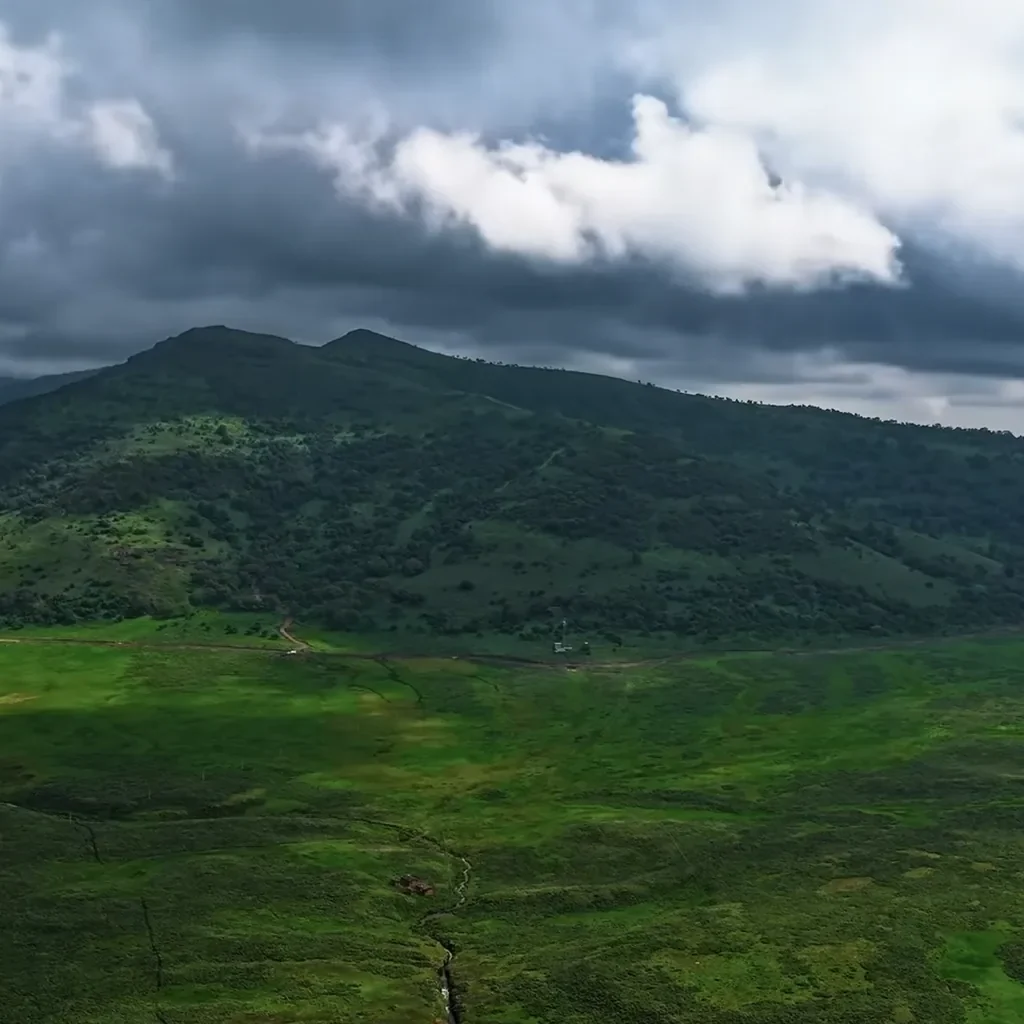
Most visitors feel Addis Ababa's altitude as breathlessness on stairs and a poor first night's sleep. The trekking and plateau areas are a different matter.
NaTHNaC's advice:
In practice, the Simien treks are built for this. Sankaber sits at about 3,250 metres and Geech at about 3,600, so you gain height gently. Bale is the one to watch, because the road across the Sanetti Plateau takes you above 4,000 metres quickly. If you have had altitude illness before, or your itinerary climbs fast, ask the clinic about preventive medication. Our Simien trekking guide and Bale Mountains guide cover the routes.
NaTHNaC reports a high risk of malaria in Ethiopia below 2,000 metres, and no risk in Addis Ababa or in areas above 2,000 metres. That splits most itineraries in two. The northern highlands and the Bale plateau sit above the line. Bahir Dar, Harar, Arba Minch, the Omo Valley and the Danakil sit below it.
For risk areas, NaTHNaC lists atovaquone/proguanil, doxycycline or mefloquine as suitable antimalarials. Which one, if any, is for a clinician to decide with your route in front of them. Insect repellent and covering up at dusk help whatever you take.

The Danakil's risk is heat rather than height. Dallol holds the record for the highest average annual temperature of any inhabited place, at 34°C, and daytime air temperatures pass 50°C in the hot months. Drink continuously, take electrolyte salts as well as water, cover up instead of stripping down, and tell your guide early if you stop sweating or get a headache.
Check the travel advice before planning a Danakil trip. As of 25 September 2026, the UK advises against all but essential travel to most of Afar, and reports that foreign nationals currently can't fly into Afar's airports. Our Danakil guide has more.
The UK government's advice is to drink or use only boiled or bottled water, and to avoid ice in drinks, because water-borne diseases are common.
Bilharzia (schistosomiasis) is present in the vast majority of Ethiopia's lakes, so check before you swim. Some of the most tempting lakes also have crocodiles and hippos, which is a second reason to stay out.
Only private hospitals in Addis Ababa offer a reasonable standard of basic care, and outside the capital medical facilities are extremely poor. The UK government advises carrying a well-stocked medical kit when you travel outside Addis Ababa. The emergency number is 907.
Take travel insurance that covers local treatment and medical evacuation, especially for trekking, high-altitude or remote itineraries. If you have a health condition or are pregnant, check with your doctor before you book. The WHO advises against sleeping altitudes over 3,000 metres during pregnancy.
Travellers from some countries must complete a health declaration form or an Ethiopian Ministry of Health mpox survey before arrival. Check with your airline whether your departure country is included.
Only if you are over 9 months old and arriving from a country with a risk of yellow fever transmission, or have transited for more than 12 hours through an airport in one. A direct flight from Europe does not need one. Check your full routing, including connections.
NaTHNaC recommends hepatitis A, tetanus and typhoid for most travellers. Others, including yellow fever, rabies, cholera and hepatitis B, depend on your route and activities. See a travel clinic at least eight weeks before you go.
Possibly in the mountains. Addis Ababa is at about 2,400 metres, just below NaTHNaC's 2,500 metre threshold, and most people only notice breathlessness. The Simien camps sit at 3,250 to 3,600 metres and Bale's Sanetti Plateau above 4,000, where altitude illness is a real risk. Go up gradually.
It depends on your route. NaTHNaC reports a high risk below 2,000 metres and no risk in Addis Ababa or above 2,000 metres. Highland trips may not need them. Lowland areas such as Bahir Dar, Harar, the Omo Valley and the Danakil are in risk areas. A clinic will advise on your itinerary.
The UK government advises drinking or using only boiled or bottled water, and avoiding ice in drinks.
Dial 907 for an ambulance. Ambulance services are limited, and good care is mostly found in private hospitals in Addis Ababa.
Tell us about any health considerations when you enquire, whether that is a heart condition, a bad knee or a history of altitude sickness, and we will plan the route and the ascent around it. You will have a reply within two hours and a detailed itinerary with a quote within 24 hours.
Our guide for first-time visitors covers the rest of your pre-departure checklist. See our nature tours, what to pack for Ethiopia, or browse everything we run.
