---------------------------------
Address
Phone: +251 988 111 222
Need help or have a question?
Contact us at: info@driveethiopia.com
Addis Ababa, Ethiopia
---------------------------------
Address
Phone: +251 988 111 222
Need help or have a question?
Contact us at: info@driveethiopia.com
Addis Ababa, Ethiopia


50 Amharic phrases for Ethiopia, in Ge'ez script with easy pronunciation: greetings, the market, the road, food and emergencies, each checked against a source.
The five Amharic phrases that do the most work on a trip to Ethiopia are ሰላም (selam), hello; አመሰግናለሁ (ameseginalehu), thank you; እባክህ / እባክሽ (ebakih / ebakish), please, to a man or a woman; ይቅርታ (yiqirta), excuse me or sorry; and ስንት ነው? (sint new?), how much is it? With those you can get through most short exchanges.
Below are 50 phrases in all, grouped by the situations a traveller actually meets: greetings, conversation, the market, the road, the table and the pharmacy. Each one is given in Ge'ez script, the alphabet Amharic is written in, with a plain English transliteration. Every phrase was checked against at least one published phrasebook or dictionary before it went in. Amharic transliteration is not standardised, so you will see other spellings elsewhere. The script is the reliable part.
Many phrases have one form for a man and another for a woman. "Please" is ebakih to a man and ebakish to a woman. Where a phrase changes, both forms are given, man first. A third form ending in -u is used for more than one person and, as a mark of respect, for an elder. "Turn" is tatef to a man, tatefi to a woman and tatefu to a group or an older person.
Wikivoyage's Amharic phrasebook is clear on this: keep the informal greetings for friends, not elders or people you do not know. Selam counts as informal. With an older person or someone you have just met, start with ጤና ይስጥልኝ (tena yistilign).
A few Amharic consonants are "ejectives", made with a short pop of air from the throat. In the transliterations below, q is a k sound made further back in the throat, as in yiqirta. The letters gn sound like the ny in canyon, as in negn. You will still be understood without perfect ejectives.
| # | English | Amharic | Say it |
|---|---|---|---|
| 1 | Hello | ሰላም | selam |
| 2 | Hello (formal, to elders and strangers) | ጤና ይስጥልኝ | tena yistilign |
| 3 | How are you? (man / woman) | እንደምን ነህ? / እንደምን ነሽ? | endemin neh? / endemin nesh? |
| 4 | I'm fine | ደህና ነኝ | dehna negn |
| 5 | Good morning (man / woman / elder) | ደህና አደርክ? / ደህና አደርሽ? / ደህና አደሩ? | dehna aderk? / dehna adersh? / dehna aderu? |
| 6 | Good night (man / woman) | ደህና እደር / ደህና እደሪ | dehna eder / dehna ederi |
| 7 | Thank you | አመሰግናለሁ | ameseginalehu |
| 8 | Thank you very much | በጣም አመሰግናለሁ | betam ameseginalehu |
| 9 | You're welcome, no problem | ምንም አይደለም | minim aydelem |
| 10 | Please (man / woman) | እባክህ / እባክሽ | ebakih / ebakish |
| 11 | Yes | አዎ | awo |
| 12 | No | አይ | ay |
| 13 | OK, all right | እሺ | ishi |
| 14 | Excuse me, sorry | ይቅርታ | yiqirta |
| 15 | Goodbye (man / woman) | ደህና ሁን / ደህና ሁኚ | dehna hun / dehna hugni |
The morning greeting literally asks whether the person spent the night well, which is why it changes for a man, a woman and an elder. Ishi means OK or fine, and it is the natural reply when a driver or waiter confirms what you asked for.
| # | English | Amharic | Say it |
|---|---|---|---|
| 16 | My name is … | ስሜ … ነው | sime … new |
| 17 | What is your name? (man / woman) | ስምህ ማን ነው? / ስምሽ ማን ነው? | simih man new? / simish man new? |
| 18 | Do you speak English? (man / woman) | እንግሊዘኛ ትችላለህ? / እንግሊዘኛ ትችያለሽ? | englizegna tichilaleh? / englizegna tichiyalesh? |
| 19 | Is there someone here who speaks English? | እንግሊዘኛ የሚችል ሰው አለ? | englizegna yemichil sew ale? |
| 20 | I don't understand | አልገባኝም | algebagnim |
| 21 | It's very good | በጣም ጥሩ ነው | betam tiru new |
Phrase 19 is the one to keep for a bank, a pharmacy or a bus station, where the person in front of you may not speak English but a colleague might. Phrase 21 works as praise for almost anything, from a meal to a view.
| # | English | Amharic | Say it |
|---|---|---|---|
| 22 | How much is it? | ስንት ነው? | sint new? |
| 23 | What is the price? | ዋጋው ስንት ነው? | wagaw sint new? |
| 24 | It's expensive | ውድ ነው | wid new |
| 25 | Is there a discount? | ቅናሽ አለ? | qinash ale? |
| 26 | What is this? | ይህ ምንድን ነው? | yih mindin new? |
| 27 | I don't want it | አልፈልግም | alfeligim |
| 28 | Birr, the Ethiopian currency | ብር | birr |
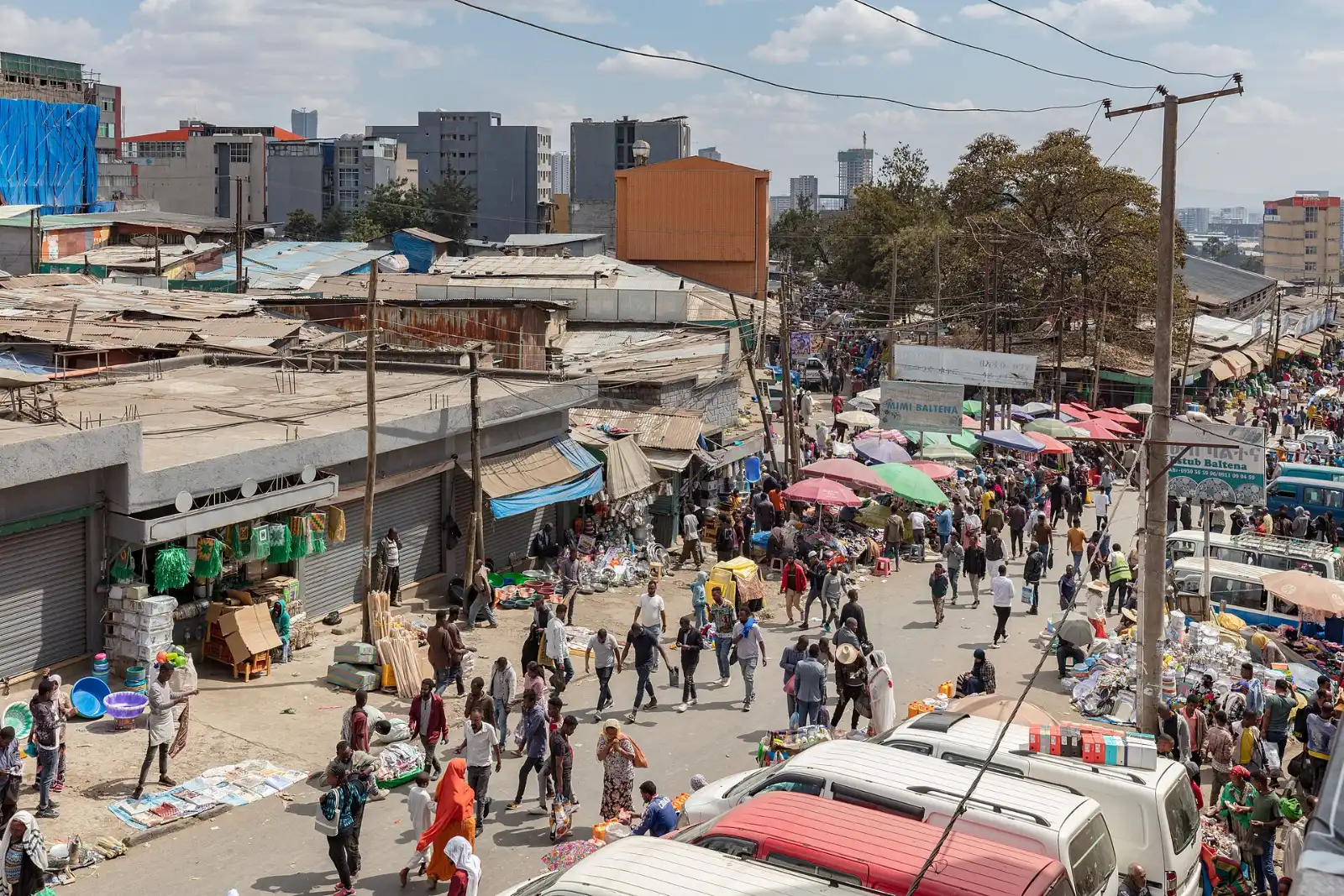
Sint new? is the market's working phrase. Prices will come back as Amharic numbers, so the number table further down is worth a look before a visit to a market such as Mercato in Addis Ababa. Our guide to money in Ethiopia covers birr, cash and cards.
Wid new, "it's expensive", said with a smile, is a polite way to question a price. Alfeligim, "I don't want it", is a polite way to keep walking.
| # | English | Amharic | Say it |
|---|---|---|---|
| 29 | Where is …? | … የት ነው? | … yet new? |
| 30 | Where is the toilet? | መጸዳጃ ቤት የት ነው? | metsedaja bet yet new? |
| 31 | Right | ቀኝ | qegn |
| 32 | Left | ግራ | gra |
| 33 | Straight ahead | ቀጥታ መንገድ | qetita menged |
| 34 | Turn right (man / woman / elder) | ወደ ቀኝ ታጠፍ / ታጠፊ / ታጠፉ | wede qegn tatef / tatefi / tatefu |
| 35 | Turn left (man / woman / elder) | ወደ ግራ ታጠፍ / ታጠፊ / ታጠፉ | wede gra tatef / tatefi / tatefu |
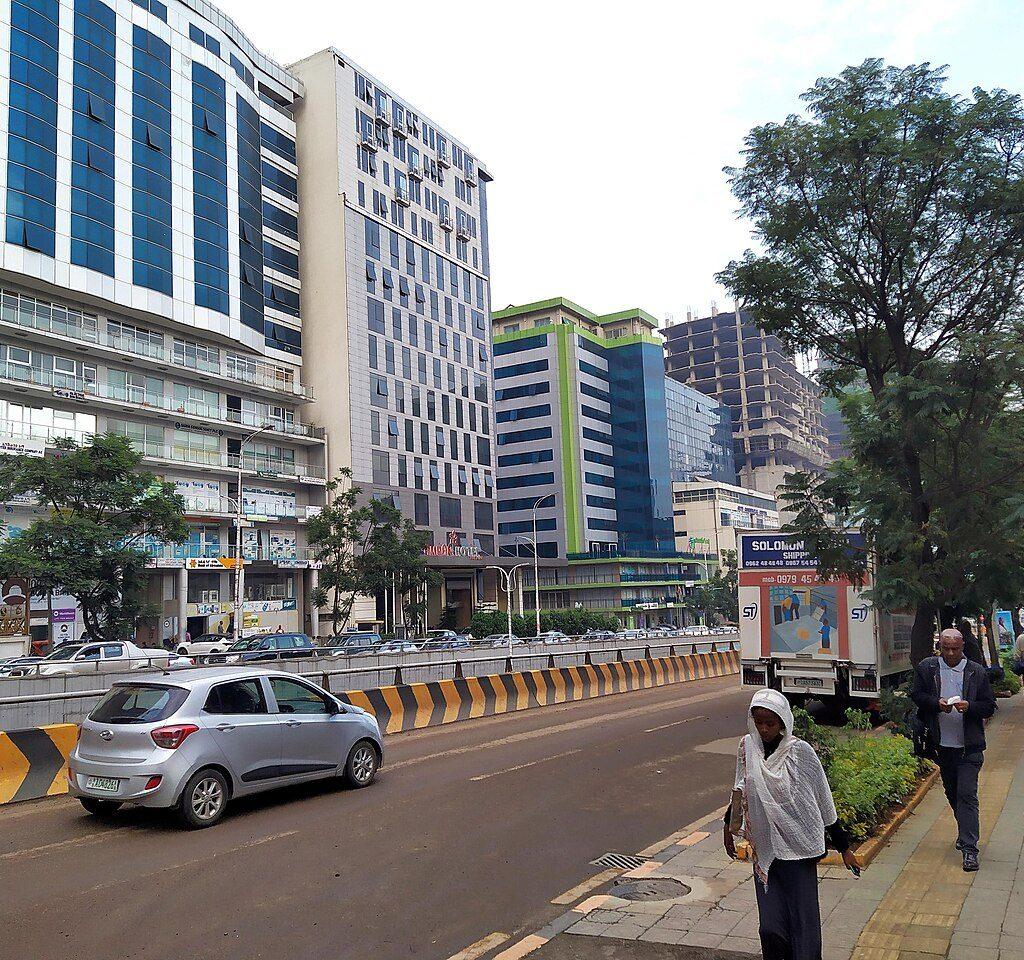
Put any place name in front of yet new? and you have a question: "Hotel … yet new?", "Bank yet new?". In practice the answer will often come as a pointed hand, so qegn and gra are the two words worth knowing by ear.
One trap catches almost every visitor. When someone tells you a time in Amharic, they are usually using the Ethiopian clock, which starts counting at dawn. Wikivoyage's phrasebook gives "1 se'at ke tewatu", one o'clock in the morning, as 7am. Ask whether a time is the Ethiopian or the international one, and read our guide to the Ethiopian calendar and clock before you agree a pickup time. If you travel with a car and driver, agree pickup times in the clock you use.
| # | English | Amharic | Say it |
|---|---|---|---|
| 36 | Water | ውሃ | wuha |
| 37 | Coffee | ቡና | buna |
| 38 | Coffee with milk | ቡና በወተት | buna bewetet |
| 39 | Injera, the sourdough flatbread | እንጀራ | injera |
| 40 | Chicken stew | ዶሮ ወጥ | doro wot |
| 41 | I don't eat meat | ስጋ አልበላም | siga albelam |
| 42 | Fasting (as in fasting food) | ጾም | tsom |
| 43 | Mild, not spicy | አልጫ | alicha |
| 44 | That's enough for me | ይበቃኛል | yibeqagnal |
| 45 | The bill, please (to a man) | ሂሳብ እባክህ | hisab ebakih |
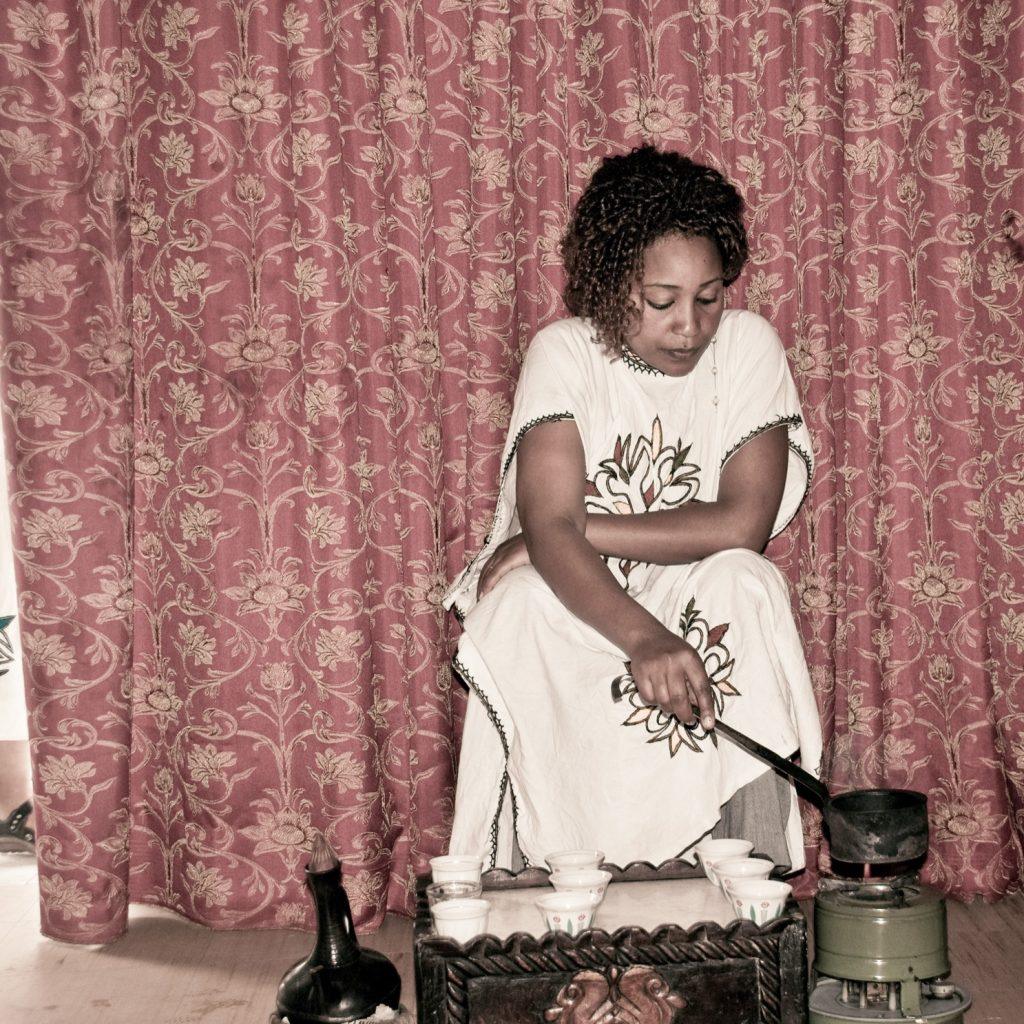
Two of these do a lot of quiet work. Siga albelam, "I don't eat meat", is the vegetarian's phrase, and tsom points you at fasting food, which in the Ethiopian Orthodox tradition contains no meat, dairy or eggs. On fasting days it is often the default on the menu. Our guide to eating vegan in Ethiopia explains when the fasts fall, and the Ethiopian food guide covers the dishes.
Yibeqagnal, "that's enough for me", followed by ameseginalehu, is the polite way to say you have had enough.
| # | English | Amharic | Say it |
|---|---|---|---|
| 46 | Doctor | ሐኪም | hakim |
| 47 | Hospital | ሆስፒታል | hospital |
| 48 | Pharmacy | መድሃኒት ቤት | medhanit bet |
| 49 | Police | ፖሊስ | polis |
| 50 | I am sick | ታምሜያለሁ | tammeyalehu |
Hospital and polis are borrowed words, so they are easy to recognise. Pair any of them with yet new? from the road section: "hospital yet new?" is "where is the hospital?". Save the number for your accommodation and your tour contact in your phone before you set out, so you have someone to call who can talk to the people around you.
Numbers are not in the count of 50, but you will need them as soon as you ask sint new?
| Number | Amharic | Say it |
|---|---|---|
| 1 | አንድ | and |
| 2 | ሁለት | hulet |
| 3 | ሶስት | sost |
| 4 | አራት | arat |
| 5 | አምስት | amist |
| 6 | ስድስት | sidist |
| 7 | ሰባት | sebat |
| 8 | ስምንት | simint |
| 9 | ዘጠኝ | zetegn |
| 10 | አስር | asir |
| 20 | ሀያ | haya |
| 50 | ሀምሳ | hamsa |
| 100 | መቶ | meto |
| 1,000 | ሺህ | shi |
Bigger numbers are built the way they are in English: ሁለት መቶ (hulet meto) is two hundred, and ሁለት ሺህ (hulet shi) is two thousand.
Ethiopia has dozens of languages, and Amharic is the one most widely used between them, which is why it is the one to learn first. Outside the Amharic-speaking areas, a greeting in the local language goes even further.
Afaan Oromo is the main language of Oromia, the region that surrounds Addis Ababa. It is written in the Latin alphabet, called Qubee, which was adopted as the official script in 1991. Hello is akkam, and thank you is galatoomi.
Tigrinya is spoken in Tigray, in the north, and is written in the same Ge'ez script as Amharic. Hello is the same word, ሰላም (selam), and thank you is የቐንየለይ (yekenyeley).
On a guided trip, ask your guide for the local greeting in each area you visit. It is one of the easiest ways into a conversation.
Start with the five phrases from the top of this page and say them out loud until they come without thinking. Then learn the numbers to ten, because prices and times depend on them. Write the script versions of phrases 19, 29 and 30 into your phone notes. If you cannot make yourself understood, showing the written phrase usually works. Once you arrive, use selam and ameseginalehu at every chance. The rest will follow from people correcting you, kindly, in the moment.
The everyday hello is ሰላም (selam), which also means peace. With elders, officials or people you do not know, the respectful greeting is ጤና ይስጥልኝ (tena yistilign).
Thank you is አመሰግናለሁ (ameseginalehu). To say thank you very much, add በጣም (betam) in front: betam ameseginalehu. The reply, "you're welcome", is ምንም አይደለም (minim aydelem).
Ask ስንት ነው? (sint new?), which means "how much is it?". To ask about the price specifically, say ዋጋው ስንት ነው? (wagaw sint new?).
Amharic marks gender in its verbs and pronouns, so "please", "how are you" and "turn right" each have a form for a man and a form for a woman. A third form ending in -u is used for a group and, as a mark of respect, for an older person.
No. On a guided tour or with a driver, the logistics are handled for you. A few phrases still change how the trip feels. Greeting people in their own language and asking a price yourself both open conversations that English alone does not.
Amharic is the language most widely used between Ethiopia's many language groups, but it is not everyone's first language. Afaan Oromo is the main language of Oromia, around Addis Ababa, and Tigrinya is spoken in Tigray. A local greeting such as akkam in Oromo is always welcome.
The best place to use these phrases is on the road, at a market, at a coffee ceremony or at a roadside lunch stop. Our Ethiopia tours take you to all of them, and the Addis Ababa city tour is a good first day to try selam and sint new? for yourself.
Send us your dates and the places you want to see. You will have a reply within two hours, and a detailed itinerary with a quote within 24 hours.
Market photo: Diego Delso, CC BY-SA 4.0, via Wikimedia Commons. Street photo: Radosław Botev, CC BY 3.0 PL, via Wikimedia Commons.
