---------------------------------
Address
Phone: +251 988 111 222
Need help or have a question?
Contact us at: info@driveethiopia.com
Addis Ababa, Ethiopia
---------------------------------
Address
Phone: +251 988 111 222
Need help or have a question?
Contact us at: info@driveethiopia.com
Addis Ababa, Ethiopia


Around 450 wolves survive and Bale holds more than half. Where to see them on the Sanetti Plateau, and what else the park has.
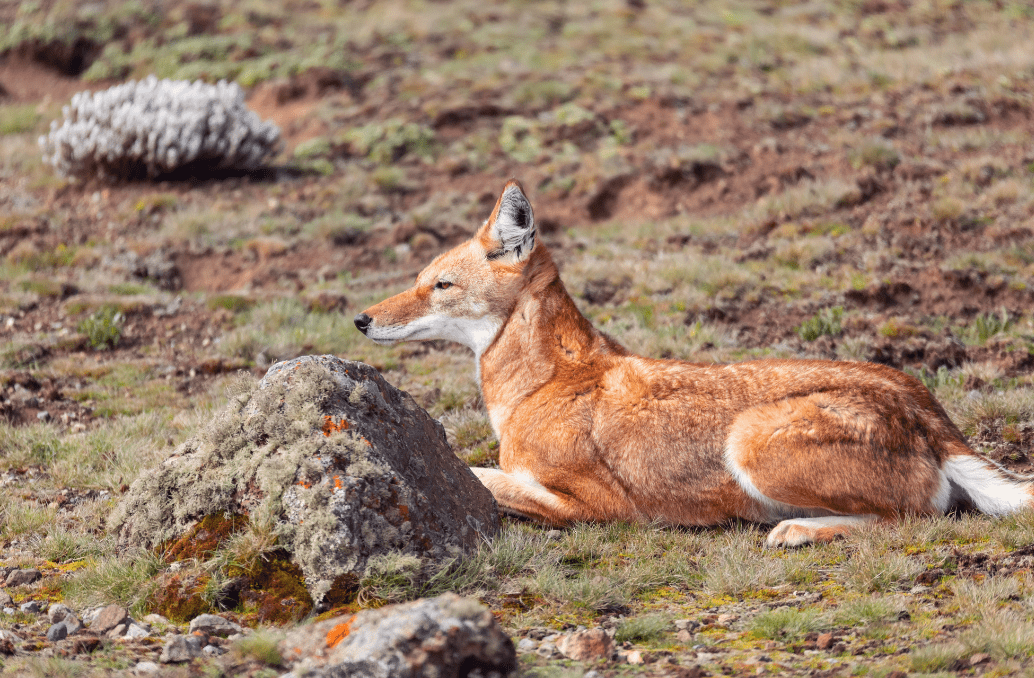
The Ethiopian wolf is the rarest canid in the world. Around 450 to 500 adults survive, in six isolated mountain ranges, and more than half of them are in the Bale Mountains. Recent counts put the Bale population near 280 animals. Every other population is small enough that a single disease outbreak could take it.
That concentration is why Bale is the answer to "where can I see an Ethiopian wolf". It is not a good chance somewhere and a slightly better chance here. It is most of the species, in one park, on one plateau.
Not a jackal and not a fox, despite looking like a long-legged red fox with a narrow muzzle. It is a true wolf, and genetic work places it closer to the grey wolf than to anything African.
It hunts alone, mostly for giant mole-rats and grass rats, which is why you see single animals quartering open ground rather than a pack working together. It lives in packs socially and forages solo, which is unusual and takes a moment to reconcile when you are watching one.
IUCN lists it as Endangered. The threats are habitat loss and fragmentation from agriculture and grazing, and above all disease: rabies and canine distemper carried by domestic dogs, which have caused population crashes.
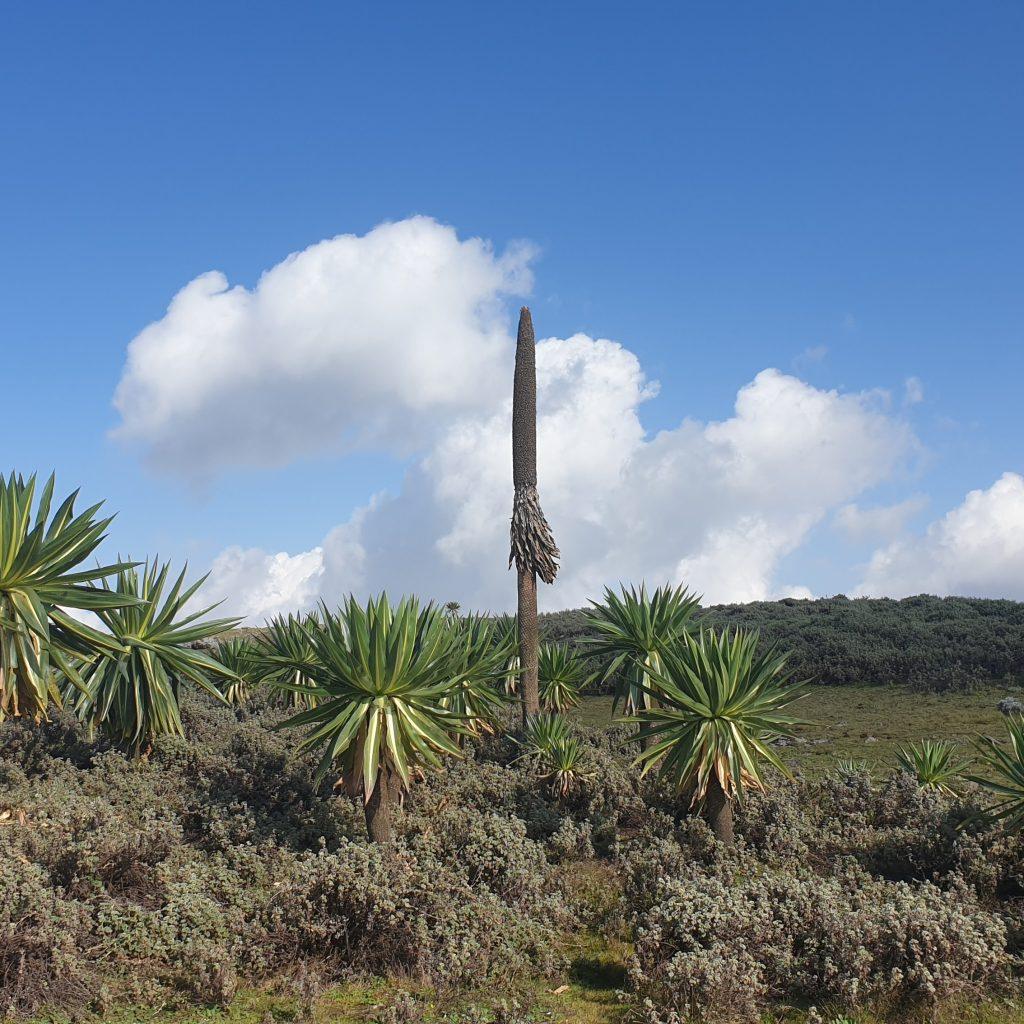
The Sanetti Plateau is Afroalpine moorland above 4,000 metres, and it is one of the strangest landscapes in Africa. Giant lobelias standing like posts, frozen ground in the early morning, and almost no cover.
The lack of cover is why sightings are realistic here. A wolf on open moorland at that altitude is visible a long way off. You are not tracking through forest hoping for a glimpse; you are scanning open ground from a vehicle or on foot.
The road across the plateau is the highest all-weather road in Africa, which also means you gain a great deal of altitude quickly. That matters more than people expect.
Best chances are early morning and late afternoon, when the wolves are actively hunting and the light is low enough to pick them out.
Drop off the southern edge of the plateau and the road descends into Harenna, a cloud forest that is one of the largest remaining in Ethiopia and completely unlike the moorland above it.
The transition in a single drive is the best thing about Bale: frozen Afroalpine moor at 4,000 metres in the morning, and closed humid forest with colobus in the canopy by the afternoon.
Harenna also holds wild forest coffee, growing under canopy in the way described in our coffee origins guide. Lion and African wild dog are recorded in the forest, though seeing either is a matter of luck rather than planning.
Mountain nyala. Endemic, and Bale is the stronghold. A large, handsome antelope, most reliably seen in the Dinsho area near park headquarters, where they are habituated.
Menelik's bushbuck. Another endemic subspecies, also around Dinsho.
Giant mole-rat. Endemic to the Bale massif and the wolf's main prey. Comically visible on the plateau, popping up from burrows.
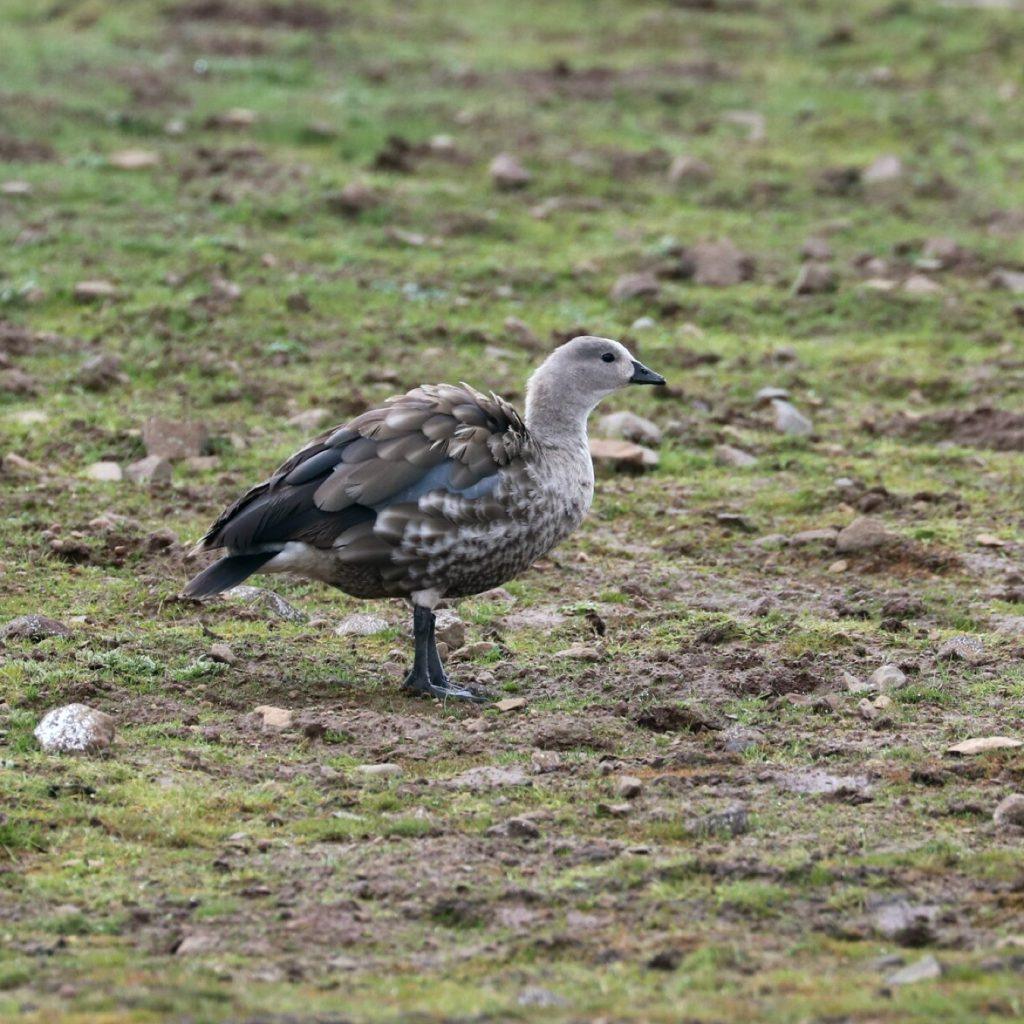
Birds. Bale is one of Ethiopia's best. The blue-winged goose, spot-breasted lapwing, Rouget's rail and wattled ibis are highland endemics found here, and the raptor list on the plateau is strong. Our birding guide covers the endemic circuit.
Seeing wolves is not hard walking. The Sanetti Plateau is crossed by road and much of the wildlife viewing is done from or near a vehicle, with short walks. Anyone reasonably mobile can do it.
The altitude is the difficulty. You are above 4,000 metres on the plateau, higher than anything in the Simien except Ras Dashen, and you get there by driving up rather than walking up. That means no acclimatisation. Headaches are common. Take the first day gently.
Trekking is available and is a separate proposition. Multi-day treks in the Bale massif exist, including horse-supported routes, and they need the fitness and the days that any high-altitude trek needs. If walking is the point, our Simien trekking guide sets out how altitude and consecutive days behave, and the same logic applies here.
Dinsho, at park headquarters, is lower and gentler, and it is where the nyala are. A short walk there is the easy half of Bale.
This is a species that has been pushed to the edge by disease from domestic dogs, so the rules matter more than usual.
Keep your distance and stay in or near the vehicle unless your guide says otherwise.
Never approach a wolf on foot to get a photograph. They will move, and moving them off a hunt costs them energy they do not have spare.
Do not bring a dog anywhere near the park, and be aware that the disease risk is the single biggest threat to the population.
Do not feed anything. Habituation to people is not in their interest.
October to March, after the kiremt rains. The plateau is drier and the roads are passable.
The wolves are visible year round and do not migrate. What changes is access and comfort, and the plateau in the wet is cold, exposed and slow. Our best time to visit guide sets out the calendars.
Bale sits southeast of Addis Ababa, on a different road from both the northern historic circuit and the Omo Valley. It is usually paired with the Rift Valley lakes, which are on the way, or added to a southern trip.
Our nature tour runs nine days across Bale and the Simien, which is the existing product closest to this. If you are working out how it fits against everything else, our trip-length guide covers what ten and fourteen days actually buy.
How many Ethiopian wolves are left?
Around 450 to 500 adults, in six isolated mountain ranges. The Bale Mountains hold more than half, with recent counts near 280 animals. Several other populations number fewer than 25 adults each, which makes them extremely vulnerable to a single disease outbreak.
Where is the best place to see the Ethiopian wolf?
The Sanetti Plateau in Bale Mountains National Park. It holds most of the surviving population, the Afroalpine moorland has almost no cover so animals are visible at distance, and a road crosses it. Early morning and late afternoon are the best times.
Is the Ethiopian wolf really a wolf?
Yes. Despite looking like a long-legged red fox, genetic work places it as a true wolf, closer to the grey wolf than to African jackals or foxes. It hunts alone for rodents while living in packs socially, which is unusual among canids.
What is the main threat to the Ethiopian wolf?
Disease, principally rabies and canine distemper transmitted from domestic dogs, which has caused sharp population crashes. Habitat loss and fragmentation from agriculture and livestock grazing compound it. IUCN lists the species as Endangered.
How high is the Sanetti Plateau?
Above 4,000 metres, crossed by what is described as the highest all-weather road in Africa. You gain that altitude by driving rather than walking, so there is no acclimatisation on the way up and headaches are common. Take the first day gently.
What else can you see in the Bale Mountains?
Mountain nyala and Menelik's bushbuck, both endemic and both reliable around Dinsho at park headquarters. Giant mole-rats on the plateau. Strong highland endemic birding including blue-winged goose, spot-breasted lapwing and Rouget's rail. The Harenna Forest below the plateau holds colobus and wild forest coffee.
Do you need to trek to see Ethiopian wolves?
No. Much of the plateau viewing is done from or near a vehicle with short walks, so it suits anyone reasonably mobile. Multi-day treks in the Bale massif exist for people who want them, but they are a separate trip rather than a requirement for seeing wolves.
How many days do you need in the Bale Mountains?
Two full days covers the Sanetti Plateau for wolves, Dinsho for nyala and a descent into the Harenna Forest. Three gives you a second attempt at the plateau if the weather is poor, which is worth having.
We will not promise you a wolf. What we can do is put you on the plateau at the hours that give the best chance, with a guide who knows where the packs range.
Tell us your dates and we will tell you honestly what to expect. We reply within a maximum of two hours, and you will have a detailed itinerary and a quote within 24 hours. Our nature tour covers Bale and the Simien together.
