---------------------------------
Address
Phone: +251 988 111 222
Need help or have a question?
Contact us at: info@driveethiopia.com
Addis Ababa, Ethiopia
---------------------------------
Address
Phone: +251 988 111 222
Need help or have a question?
Contact us at: info@driveethiopia.com
Addis Ababa, Ethiopia


Ziway, Langano, Abijatta-Shalla, Hawassa and Chamo compared, what birds each one holds, and which lake is the right place to base yourself.

The Ethiopian Rift Valley lakes are the easiest good birding in the country, and the only major destination reachable from Addis Ababa on tarmac in a few hours. Ziway, Langano, Abijatta and Shalla, Hawassa, then Abaya and Chamo further south. Each is a different kind of water and they hold different birds.
This is also the region where accommodation actually exists at a decent standard, which is not true everywhere in Ethiopia. Langano in particular has a run of lodges on the shore, and it is the one lake people swim in.
Lake Ziway. The closest to Addis Ababa and the best value for a short trip. Shallow, freshwater, and the jetty is one of the most productive single birding spots in the country. Pelicans, storks, herons and waders at close range, habituated to the fishermen cleaning their catch.
Lake Langano. The brown one, and the one you can swim in. Its colour comes from suspended sediment rather than anything unpleasant, and it is regarded as free of bilharzia, which is why the shoreline carries the region's lodges. Acacia woodland behind the beaches is good for bush birds.
Abijatta-Shalla National Park. Two lakes, entirely unalike. Abijatta is shallow, alkaline and the flamingo lake. Shalla is deep, steep-sided and volcanic, with hot springs on the shore and islands used by breeding pelicans. The park has suffered from encroachment and it is not a game park in the East African sense, so come for the birds and the geology.
Lake Hawassa. A city lake, and a pleasant one. The fish market at dawn is the draw, with marabou storks and pelicans working the scraps alongside the traders.
Abaya and Chamo. Further south, near Arba Minch and on the way to the Omo Valley. Chamo is the crocodile lake, and the boat trip to see them and the hippos is the standard excursion. The viewpoint between the two lakes, called the Bridge of God, is the region's best.
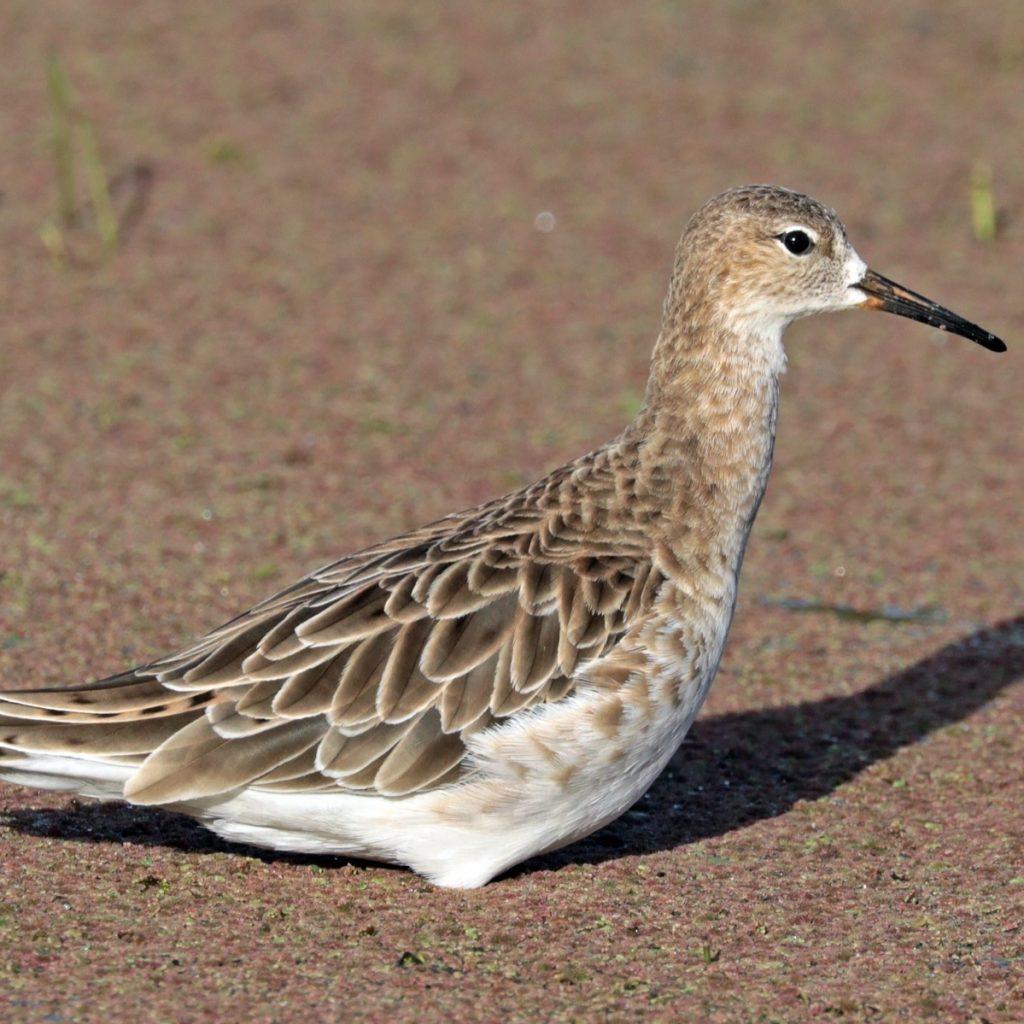
Ethiopia's endemics mostly live in the highlands and the far south. The Rift Valley lakes are not primarily an endemic circuit. What they offer instead is volume and accessibility.
Expect great white and pink-backed pelicans, greater and lesser flamingo at Abijatta, marabou stork, African fish eagle, sacred ibis, hamerkop, goliath heron, and a long list of waders and terns. The acacia country behind the lakes adds hornbills, rollers, bee-eaters, weavers and starlings.
Why it is easy: the birds are habituated, the water concentrates them, and you can see a great deal from a jetty or a lodge terrace without walking far. For a first-time birder or a general traveller who quite likes birds, this is more rewarding than a specialist trek.
If you want the actual endemic list, that is a different and longer trip. Our birding guide sets out the endemic circuit, and the birding and wildlife tour runs fourteen days for a reason.
This is the region's genuine advantage over most of Ethiopia.
| Lake | What is there | Suits |
|---|---|---|
| Langano | The main concentration of lakeshore lodges, from simple to comfortable, most with beach frontage | Anyone wanting two or three nights in one place |
| Ziway | Basic town accommodation | A stop rather than a stay |
| Hawassa | Proper town hotels, the widest choice in the region | A base with restaurants and a city feel |
| Abijatta-Shalla | Nothing inside the park | Day visits from Langano |
| Arba Minch | Hotels on the ridge with the Bridge of God view | The Chamo and Abaya end, and the Omo gateway |
We do not name specific lodges here, because standards in Ethiopia change hands and change quality faster than a blog post gets updated. Ask us for current recommendations rather than trusting a list with a date on it.
Langano is where to base if the lakes are the trip. Hawassa if you want a town. Arba Minch if the lakes are the front half of a southern circuit.
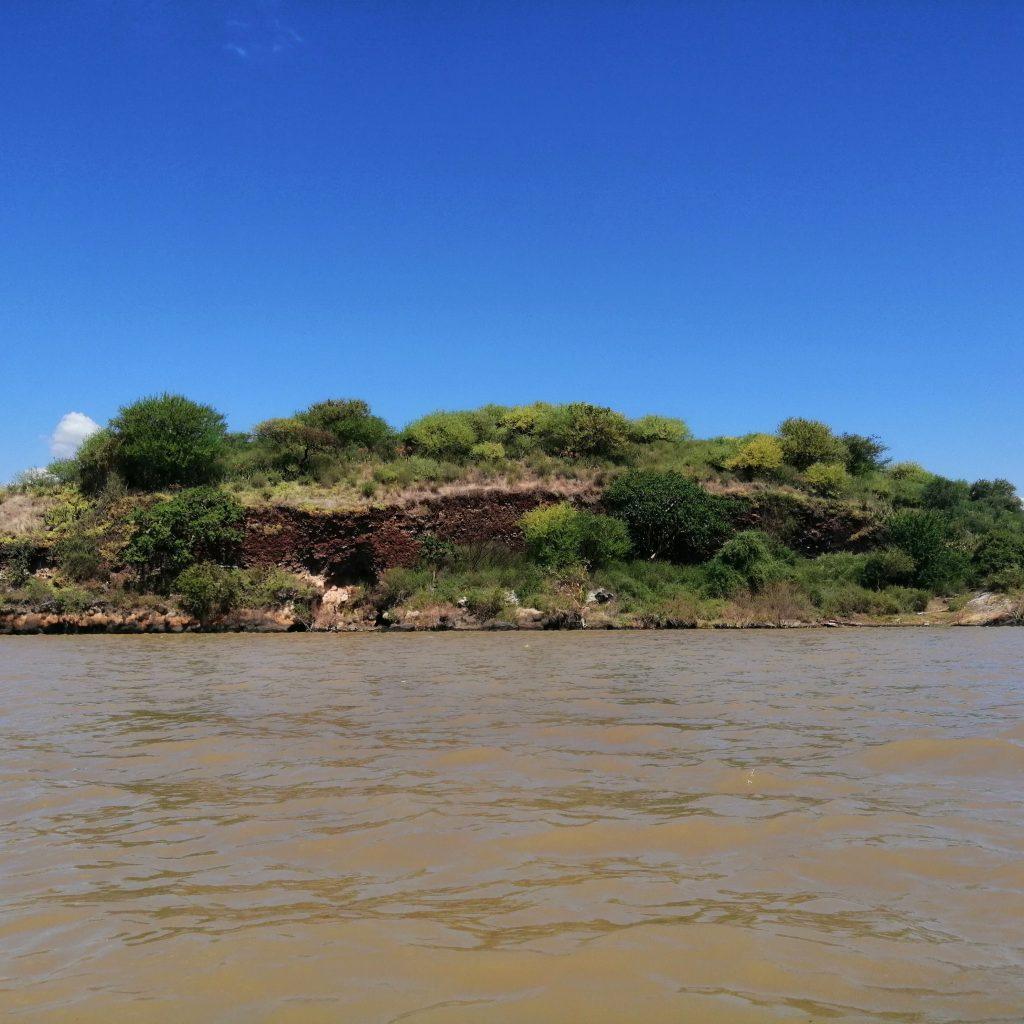
Hot springs on the Shalla shore, and at several points along the valley.
The Bridge of God, the ridge between Abaya and Chamo above Arba Minch, which is the best single view in southern Ethiopia.
Crocodiles and hippos on Chamo, by boat. The crocodiles here are large and there are a lot of them.
Nechisar National Park, behind Arba Minch, with plains game on the Nechisar plain.
Two or three days on its own, from Addis Ababa, as a short trip or a decompression stop. Our Rift Valley tour runs three days.
Or as the first leg south. Everything on this page is on the road to the Omo Valley, so a southern circuit passes through it anyway. That is the most common way people see the lakes, and our 7-day southern itinerary covers that ground.
The tarmac point matters. These lakes are reachable in an ordinary vehicle on surfaced road, which is not true of the Omo, the Danakil or the Simien. If your time is short or your appetite for rough roads is limited, this is the part of Ethiopia that asks least of you.
October to February is the general dry window here, and the most comfortable.
The southern rains, the deyr, run October to December in the far south, but the lakes region sits between the highland and southern patterns and is more forgiving than the Omo. Birding is good year round. Numbers of migrants peak in the northern winter, roughly November to February, which is also when the weather is best. Our best time to visit guide explains why Ethiopia's two calendars do not line up.
Which Rift Valley lake in Ethiopia is best for birds?
Ziway for sheer close-range volume at the jetty, and Abijatta for flamingos. Chamo further south adds crocodiles and hippos. If you have one day, Ziway gives the most birds for the least effort because they are habituated to the fishermen.
Can you swim in the Ethiopian Rift Valley lakes?
Langano is the one people swim in, and it is where the lodges are. Its brown colour is suspended sediment rather than pollution, and it is regarded as free of bilharzia. Do not assume the same of the other lakes, and ask locally before entering any water.
Where should you stay in the Ethiopian Rift Valley?
Langano has the main concentration of lakeshore lodges and suits a two or three night stay. Hawassa has the widest choice of town hotels. Arba Minch, at the southern end, has hotels on the ridge overlooking Abaya and Chamo. There is no accommodation inside Abijatta-Shalla National Park.
How far are the Rift Valley lakes from Addis Ababa?
Ziway is the closest and the region is reachable on surfaced road in a few hours, which makes it the most accessible major destination in Ethiopia. That is its main advantage over the Omo Valley, the Danakil or the Simien, all of which need rougher roads or flights.
Are there flamingos in Ethiopia?
Yes, greater and lesser flamingo on Lake Abijatta in Abijatta-Shalla National Park, which is the alkaline lake of the pair. Numbers vary with water levels, so it is not guaranteed on any given day.
Is Abijatta-Shalla worth visiting?
For the birds, the hot springs and the contrast between a shallow alkaline lake and a deep volcanic one, yes. Not as a game park. The park has suffered encroachment and it does not hold the mammal populations the name might suggest.
How many days do you need for the Rift Valley lakes?
Two or three as a trip in itself from Addis Ababa. If you are heading to the Omo Valley the lakes are on the way, so they fold into a southern circuit without adding days.
The Rift Valley works as a short standalone trip and as the opening stretch of a longer southern route, and those are planned quite differently.
Tell us your dates and what you want from it and we will tell you which shape fits, including current recommendations for where to stay. We reply within a maximum of two hours, and you will have a detailed itinerary and a quote within 24 hours. Our Rift Valley tour is the three-day version.
