---------------------------------
Address
Phone: +251 988 111 222
Need help or have a question?
Contact us at: info@driveethiopia.com
Addis Ababa, Ethiopia
---------------------------------
Address
Phone: +251 988 111 222
Need help or have a question?
Contact us at: info@driveethiopia.com
Addis Ababa, Ethiopia


Who lives in the lower Omo, how village entry and photography payments actually work, which market days to plan around, and how to visit respectfully.
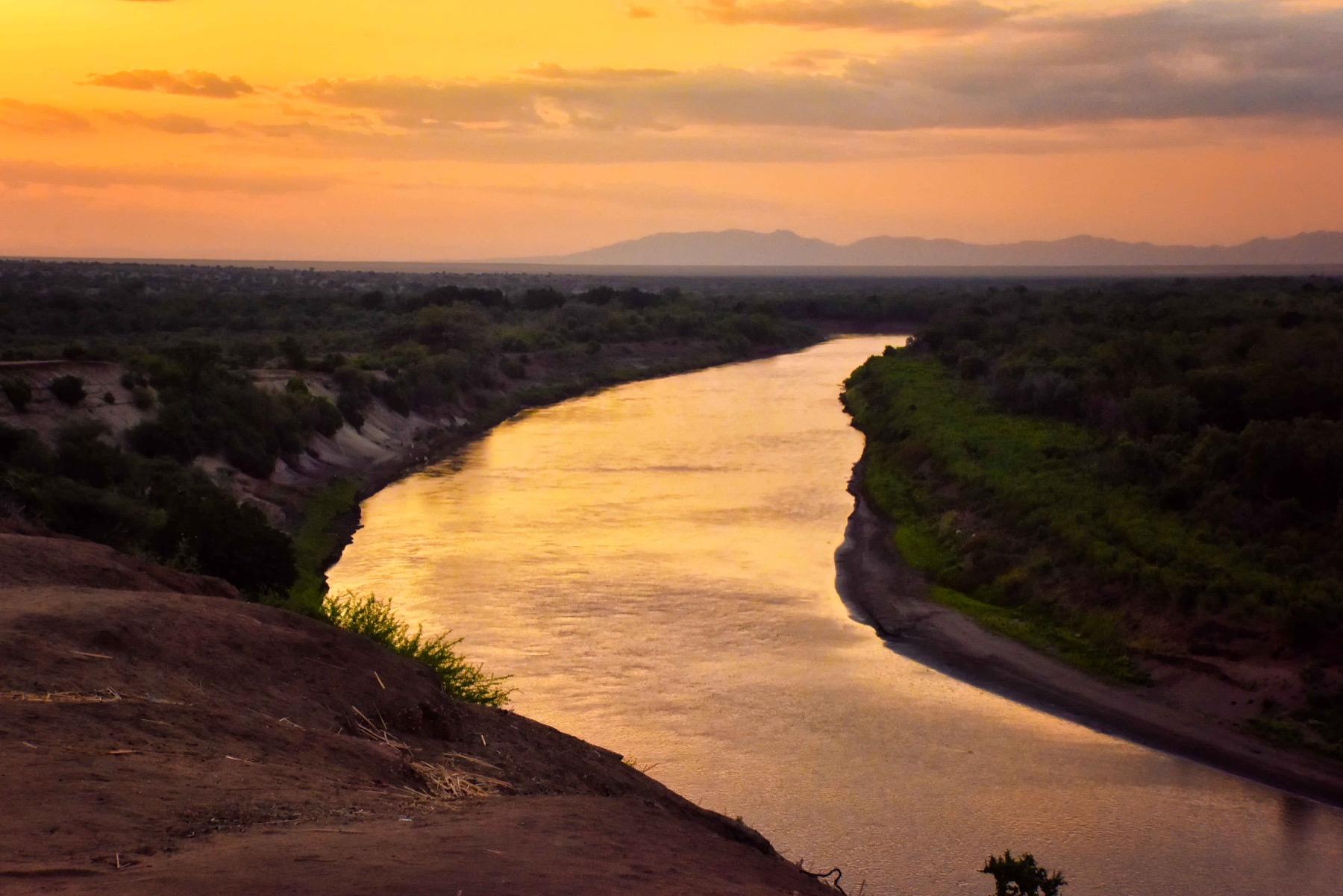
The lower Omo Valley in southern Ethiopia is home to the Hamar, Mursi, Karo, Dassanech, Nyangatom, Bana and Ari, among others. They are distinct peoples with their own languages, not variations on one culture, and most live as farmers and herders in a working part of the country rather than in a preserved one.
Visiting is straightforward to arrange and harder to do well. This guide covers who lives there, how visits actually work, what you pay and to whom, and the etiquette that makes the difference between a good day and an extractive one.
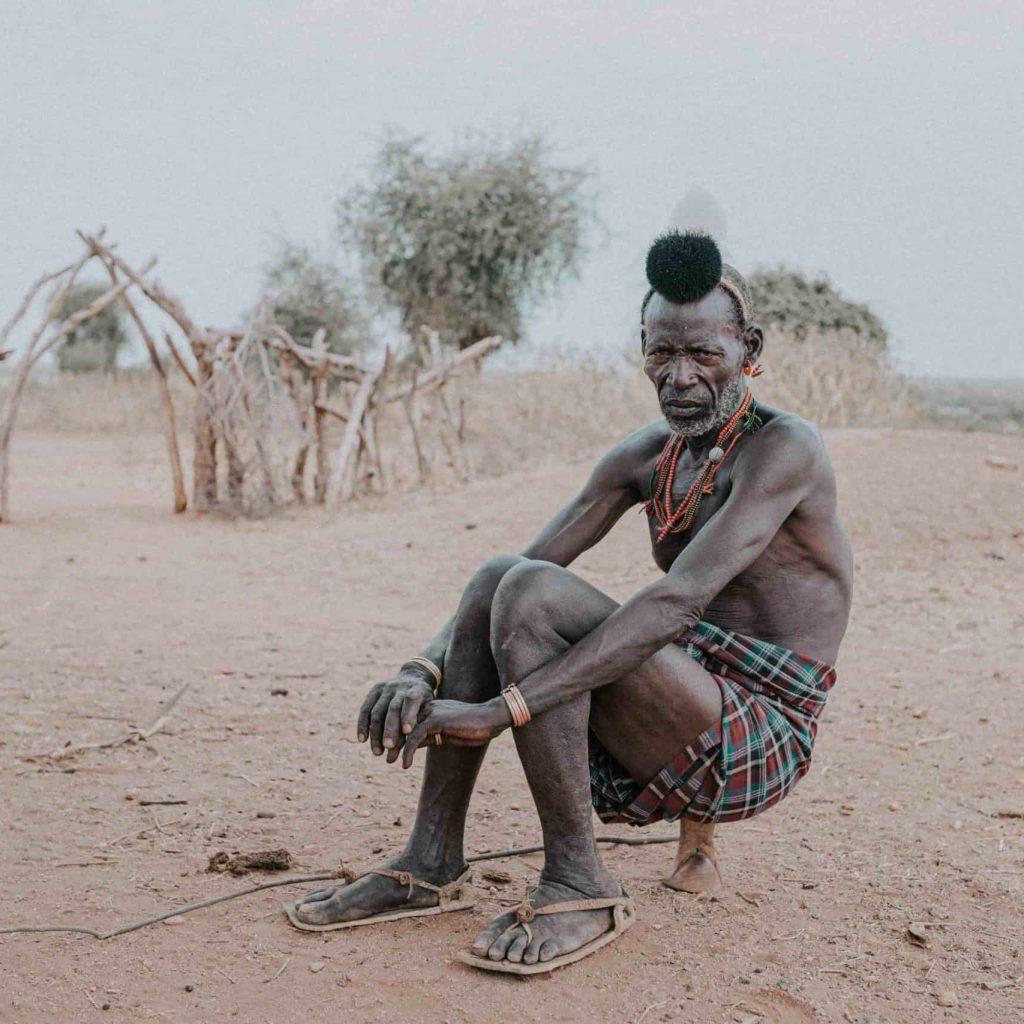
The Hamar live east of the Omo river around Turmi and Dimeka. Women wear ochred hair in thick strands and heavy beaded collars. The ukuli bula, the bull-jumping ceremony, is a rite of passage held when a family holds one, and it cannot be booked in advance.
The Mursi live west of the river, around Mago National Park. They are known internationally for the lip plates worn by some women, which is one practice among many and not the culture itself.
The Karo live along the Omo river near Kolcho, and are known for body painting drawn from chalk, ochre and charcoal. They are one of the smallest groups in the valley.
The Dassanech live at the southern end near Omorate, close to the delta, and farm the river's flood retreat as well as herding.
The Nyangatom, Bana and Ari are also present, the Ari in the highlands around Jinka rather than the lowlands, and they are farmers rather than pastoralists.
Our Omo Valley destination guide covers the geography in more detail.
This is the part most guides leave out, and it is the part that decides whether your visit is defensible.
There are two separate payments, and they go to different people. Village entry is normally agreed with the community through its representative, and is meant to be distributed within the village. Photography is charged separately, usually per photograph or per person photographed, and that money goes to the individual you photographed. Knowing which is which is what stops the day turning into a scramble.
Agree the terms before you arrive. Ask your guide, before the vehicle stops, what the entry arrangement is, what photography costs, and who receives each payment. A guide who cannot answer that clearly is a reason to ask more questions.
Carry small notes. Both payments are cash, in small denominations. Arriving without them is the single most common way visitors create an awkward scene.
Do not haggle people down. You are not in a souk. The amounts are small against the cost of getting there.
We are not publishing figures on this page. Rates are negotiated locally, published accounts of what visitors actually paid differ by a factor of ten, and a number printed on a website becomes a number somebody argues over in a village. Ask your operator what to expect on your specific itinerary.
Paid village visits and paid photography draw real criticism, and the criticism is not unreasonable.
The argument against is that it turns a community into a subject, that money flows unevenly within a village, and that a photography economy shapes how people present themselves to visitors. Some travellers come away uncomfortable. That is a legitimate reaction rather than squeamishness.
The argument for is that these are among the few cash-earning opportunities in a remote and dry part of the country, that the money is real, and that refusing to pay while still turning up is worse than either paying or staying away.
We are not going to pretend that resolves neatly. What we will say is that going in informed, paying what was agreed without haggling people down, and spending time rather than only taking pictures, is a materially better version of the same visit.

If you take one thing from this page, take this: the markets are usually a better experience than the village stops, and they are the part visitors remember.
The two we build routes around run on fixed days:
| Market | Days | Who trades there |
|---|---|---|
| Dimeka | Tuesdays and Saturdays | Bana, Bashada, Hamar, Karo, Tsemay, Ari and Mursi |
| Key Afer | Thursdays | Bana, Hamar, Tsemay, Dime, Mursi and Surma |
People come to trade, not to be visited. You can buy, watch, drink coffee and photograph with permission in a setting where nobody is waiting for you. The power balance is simply different from arriving at a village by 4×4.
Note what those days do to a week. A Tuesday-to-Thursday stretch in the south catches both markets. A Sunday-to-Tuesday one catches Dimeka only, and a weekend arrival catches Dimeka on the Saturday and nothing else. Because the market days are fixed and your route is not, this is the single strongest argument for a private itinerary over a fixed-departure group tour in this region.
January and February. The lower Omo sits in the southern pastoral rainfall pattern, which brings the gu rains in March to May and the deyr rains in October to December. January and February fall outside both.
This matters more here than almost anywhere in Ethiopia, because the roads between Jinka, Turmi and the market villages are unsurfaced and they are what fails in the wet. Our best time to visit guide sets out both rainfall calendars.
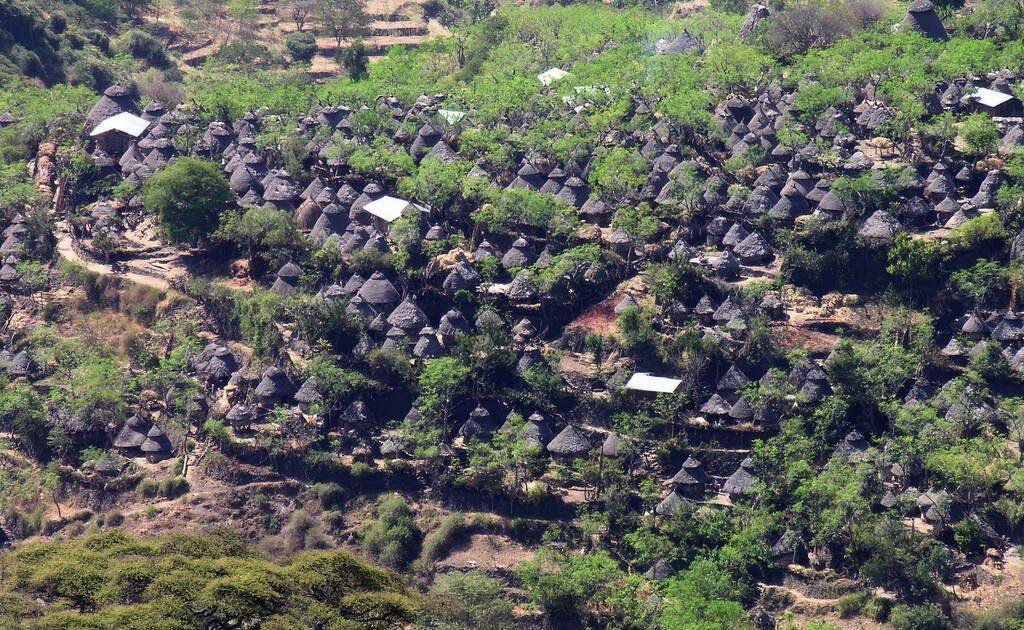
The Omo Valley is a driving destination reached from Addis Ababa via Arba Minch and Konso, and it takes days rather than hours. A 4×4 is not optional once you are past Konso.
Our 7-day southern itinerary walks through the route day by day, and the Omo Valley tour is the version we operate. Our sustainable tourism page sets out how we approach this more broadly.
Which peoples live in the Omo Valley?
The lower Omo is home to the Hamar, Mursi, Karo, Dassanech and Nyangatom, among others, with the Bana and the Ari in the surrounding areas. They are distinct peoples with their own languages and livelihoods rather than variations on a single culture. Most are farmers and herders.
Do you have to pay to photograph people in the Omo Valley?
Usually yes, and there are two separate payments. Village entry is agreed with the community and meant to be shared within it. Photography is charged on top, commonly per photograph or per person, and goes to the individual photographed. Rates are negotiated locally and published accounts vary widely, so agree the terms through your guide before you arrive rather than at the moment you raise a camera, and carry small notes.
Is visiting the Omo Valley ethical?
It is contested, and worth deciding for yourself rather than being reassured. Paid village visits create real income in a remote area with few cash opportunities, and they also turn communities into subjects and shape how people present themselves. Going informed, paying what was agreed, spending time and visiting markets rather than only villages makes for a better version of the same trip.
Can you see a Hamar bull-jumping ceremony?
Only if one is happening. The ukuli bula is a family rite of passage held when a family holds one, not a scheduled performance, and no operator can guarantee it in advance. If a company promises one on a fixed date, ask exactly how it is being arranged.
What is the best time to visit the Omo Valley?
January and February. The lower Omo follows the southern pastoral rainfall pattern, with the gu rains from March to May and the deyr rains from October to December, so those two months fall outside both. The unsurfaced roads between Jinka, Turmi and the market villages are what suffer in the wet.
Are the Omo Valley markets worth visiting?
They are usually the best part of the trip. Dimeka market runs on Tuesdays and Saturdays and Key Afer on Thursdays, and both draw several peoples in to trade rather than to receive visitors, which makes the dynamic more balanced than a village stop. Because those days are fixed and a route is not, they are a strong argument for a private itinerary rather than a fixed-departure group tour.
Which market days fall in the Omo Valley?
Dimeka trades on Tuesdays and Saturdays, drawing Bana, Bashada, Hamar, Karo, Tsemay, Ari and Mursi traders. Key Afer trades on Thursdays, drawing Bana, Hamar, Tsemay, Dime, Mursi and Surma. A Tuesday-to-Thursday stretch in the south catches both, which is worth planning your dates around.
The difference between a good Omo trip and an awkward one is mostly preparation: which markets fall on your dates, how the payments are handled, and how much time you allow to sit still.
Tell us your dates and we will build the route around the market days, and tell you plainly how the village arrangements work before you go. We reply within a maximum of two hours, and you will have a detailed itinerary and a quote within 24 hours.
Feature photograph: the Omo River at evening in Karo country, by Rod Waddington, CC BY-SA 2.0.
