---------------------------------
Address
Phone: +251 988 111 222
Need help or have a question?
Contact us at: info@driveethiopia.com
Addis Ababa, Ethiopia
---------------------------------
Address
Phone: +251 988 111 222
Need help or have a question?
Contact us at: info@driveethiopia.com
Addis Ababa, Ethiopia


Visiting Dorze from Arba Minch: what the half-day visit involves, how the beehive houses are built, enset and kocho, weaving and Chencha market.
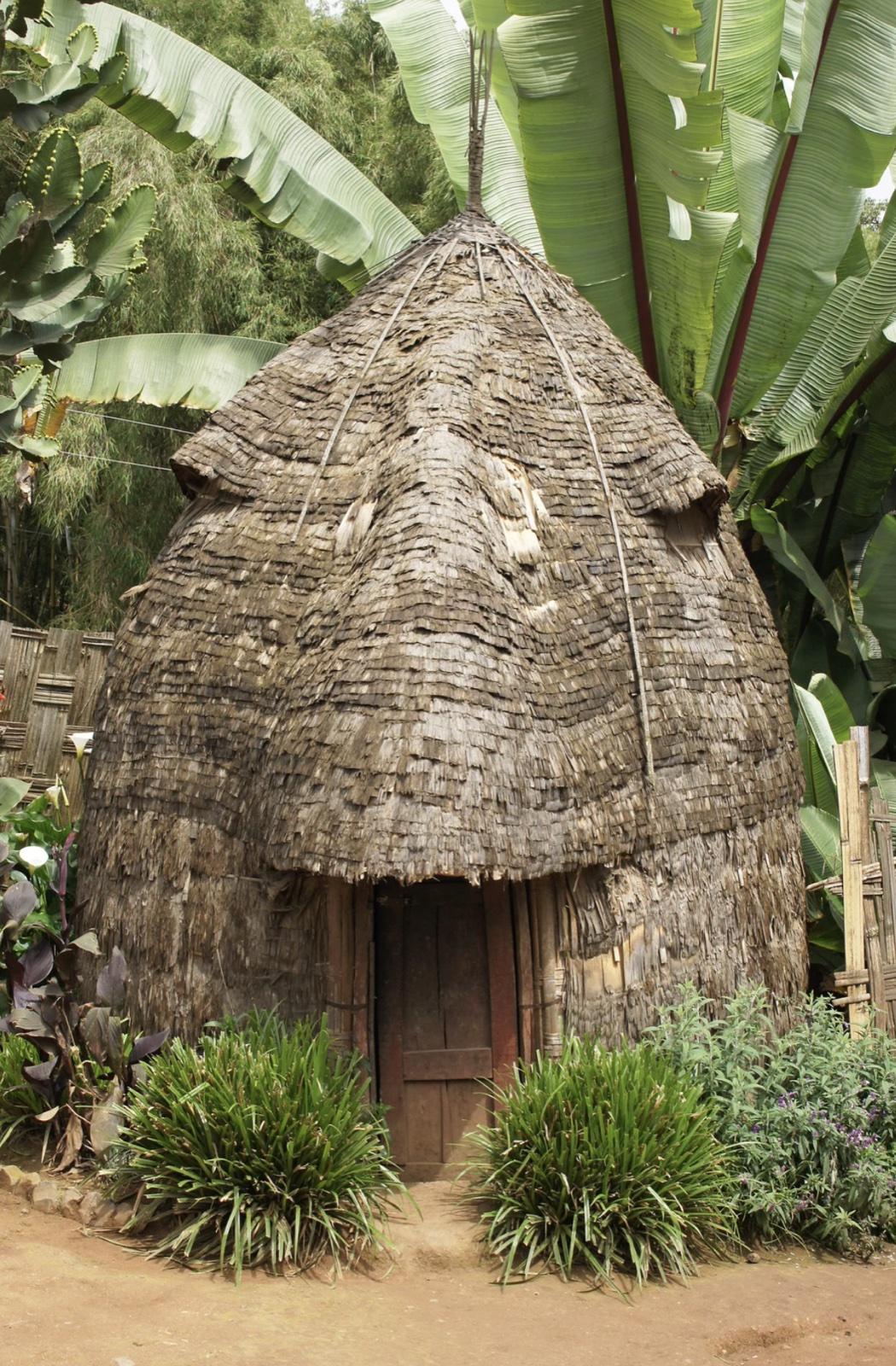
A visit to Dorze takes half a day from Arba Minch. The village is about 30 kilometres up a winding mountain road in the Gamo highlands, around an hour by car. A local guide takes you into a family's tall bamboo house, shows how enset is turned into bread, and introduces you to weavers at their looms. With a full day you can add the market at Chencha, about 8 kilometres further up, held on Tuesdays and Saturdays.
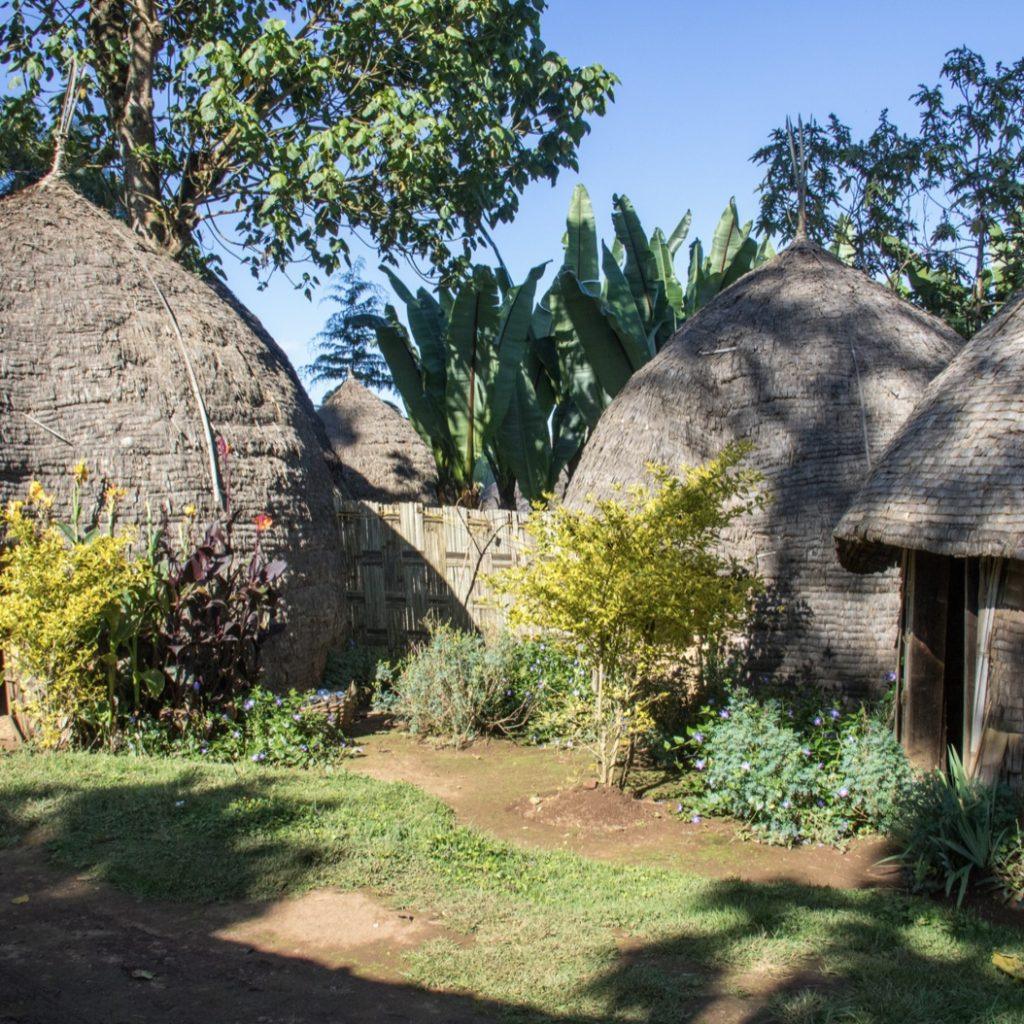
The Dorze are one of the Gamo peoples of the southern highlands. They are known across Ethiopia for two things: their houses, woven from bamboo and shaped like a beehive, and their weaving.
| Name | What it is |
|---|---|
| Dorze | The people, and the cluster of highland villages above Arba Minch. They speak Dorze, an Omotic language |
| Gamo highlands | The mountains west of Lakes Abaya and Chamo. The Dorze are one of more than 40 Gamo communities |
| Beehive house | The tall, domed Dorze house, woven from bamboo and thatched |
| Enset | The "false banana", grown for its trunk and roots rather than its fruit |
| Kocho | Bread made from fermented enset |
| Bulla | A finer enset product, from the liquid squeezed out of the kocho mixture |
| Shamma and netela | Hand-woven cotton cloth and shawls, the Dorze speciality |
| Chencha | The highland market town about 8 kilometres beyond Dorze |

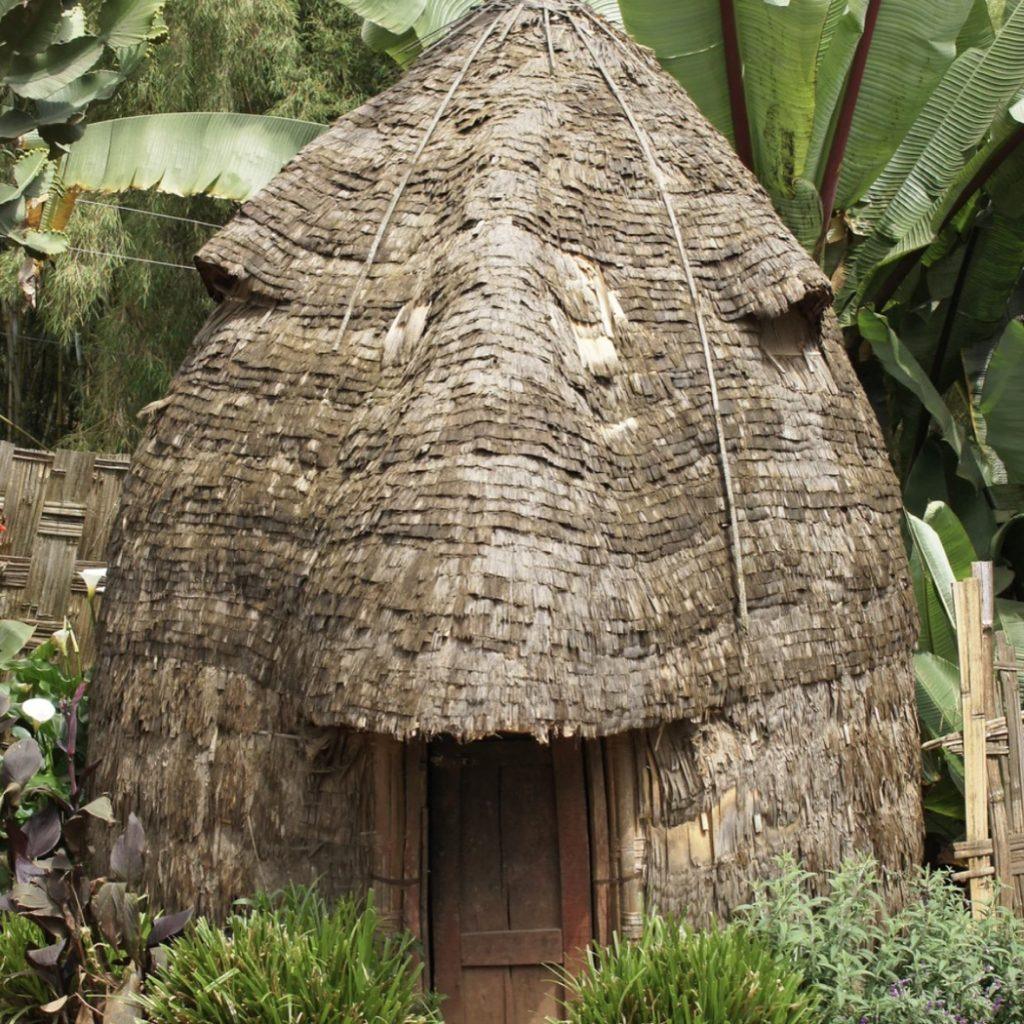
A Dorze house is woven from bamboo into a tall dome and then thatched, so the finished house rises to a point. Guides often describe the front as an elephant's face, with two small openings near the top for eyes.
The height has a practical reason that visitors are usually told about. Termites eat into the base of the house over the years. When the bottom rots, the family cuts away the damaged section, lifts the whole house and sets it down again, a little shorter than before. Most accounts put the tallest houses at around 12 metres. Wikipedia notes that a house can last up to 80 years.
Inside, the woven bamboo walls are darkened by smoke from the hearth, gourds hang along them, and there are low wooden stools and hide chairs. You will usually be invited in. Ask before taking photographs inside, because it is someone's home.
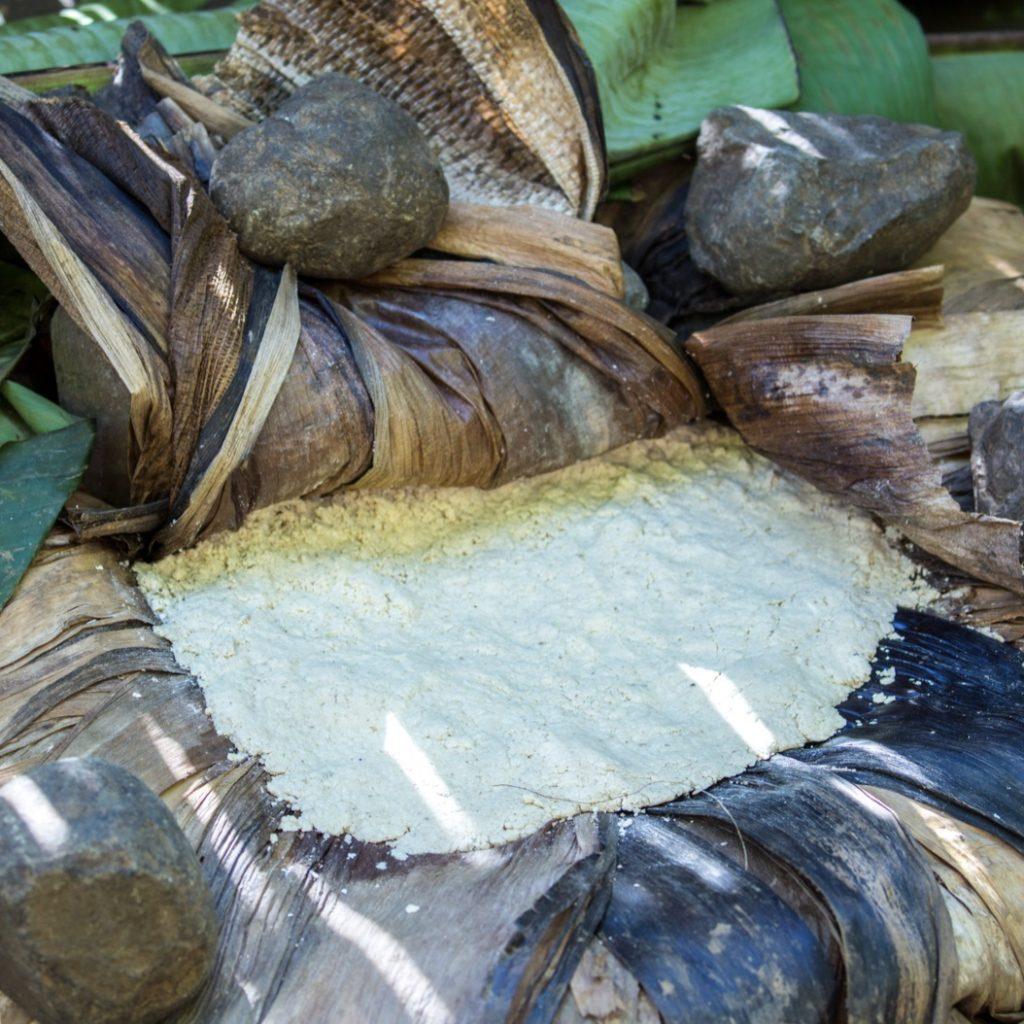
Enset looks like a banana plant, but its fruit is inedible. It is grown for its trunk and roots, which are an important food across southern Ethiopia. Around 20 million people use it, and it survives drought better than most cereal crops, which is why it matters so much in the highlands. The Gamo grow more than 100 varieties.
Kocho is made by pulverising the trunk and the flower stalk and fermenting the pulp. The liquid squeezed from the mixture settles over several days into bulla, which is sometimes eaten as a porridge. On a Dorze visit you usually see the preparation laid out on enset leaves in the yard, and then taste the bread. Our Ethiopian food guide covers the wider cuisine.
Little of the plant is wasted: the Dorze also use enset fibre to make things for the household.
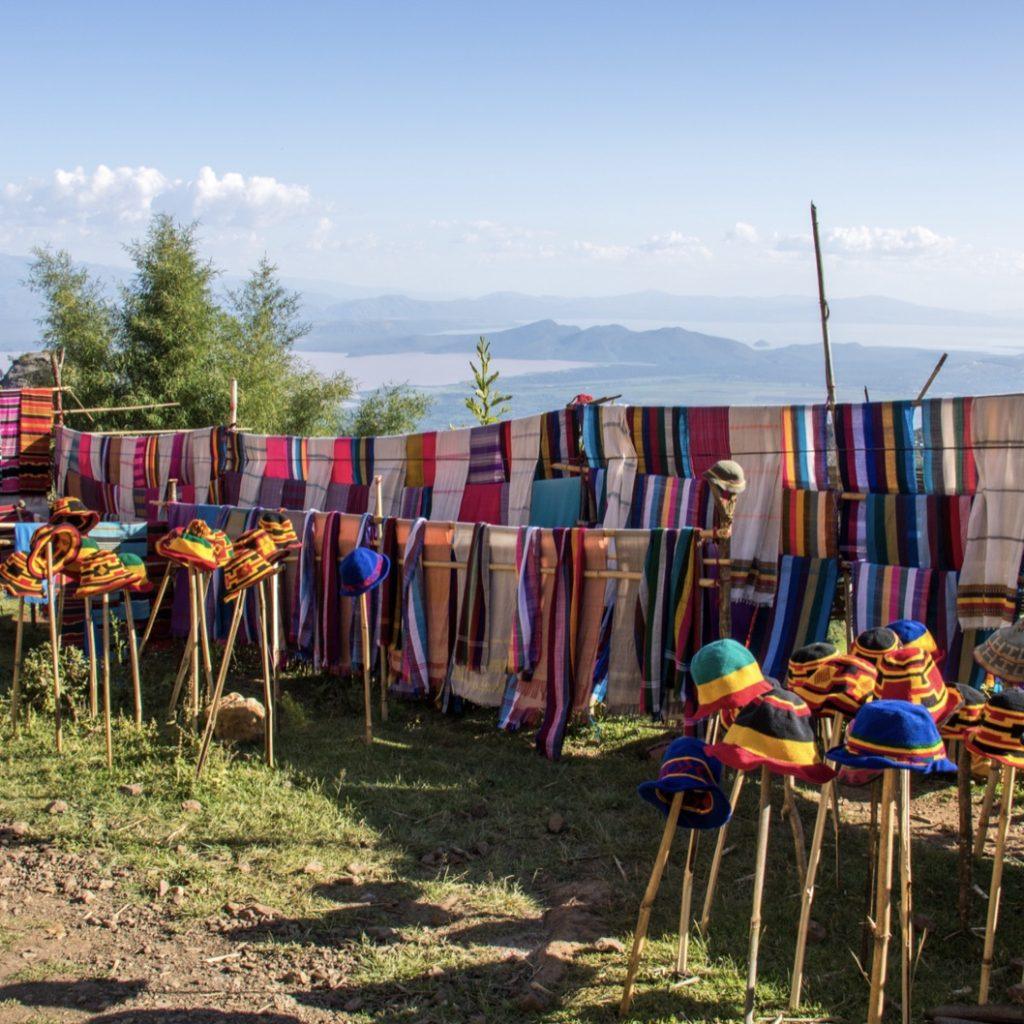
Weaving is a main livelihood for many Dorze families. Historically, Dorze weavers made shamma cloth for the royal court, and Dorze cotton is still valued across the country. Many Dorze weavers moved to Addis Ababa and other towns, but the highland villages remain at the heart of the craft.
On a visit you watch cotton being spun and woven on hand looms into shawls, scarves and cloth. Pieces are for sale in the village, and buying directly from the person who made it is the most useful thing you can do with your money here.
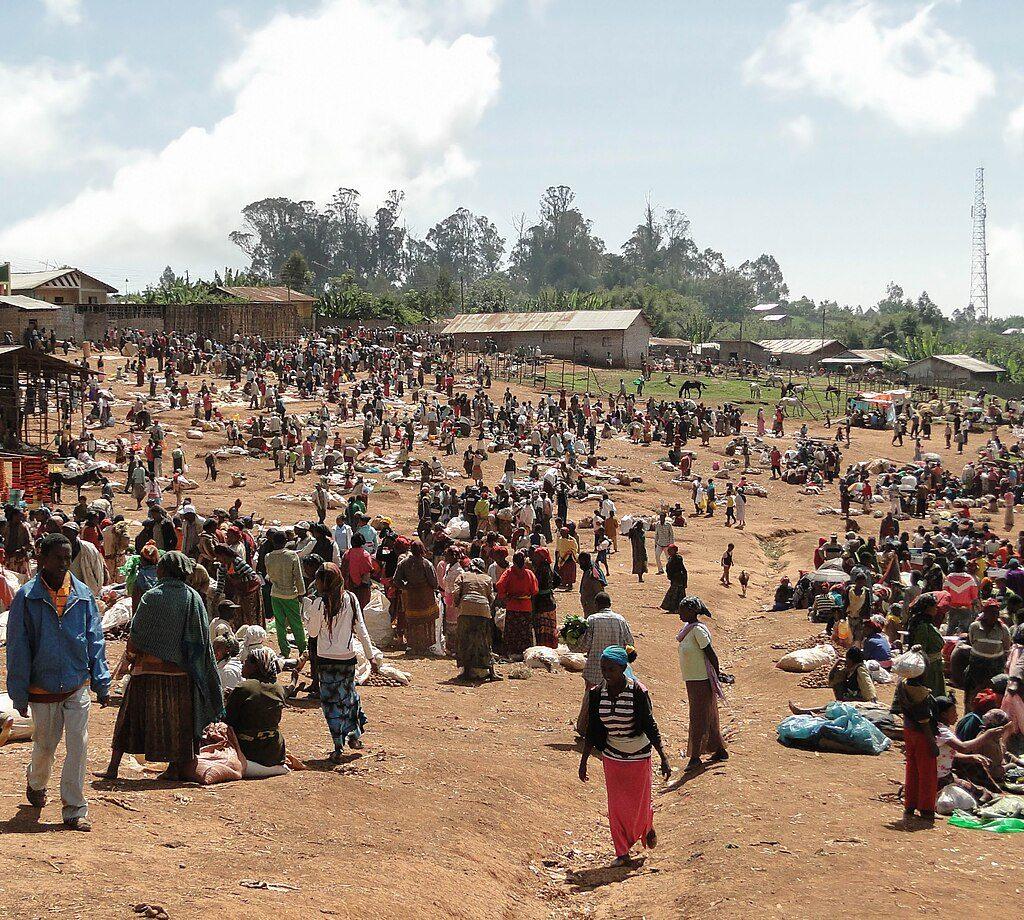
Chencha, about 8 kilometres beyond Dorze, holds its market on Tuesdays and Saturdays. People walk in from across the surrounding highlands to trade, and the busiest hours are from mid-morning into the afternoon. Some tour operators also list a smaller Dorze village market on Mondays and Thursdays. We could not confirm those days independently, so check locally.
If your dates allow, plan the visit for a Chencha market day. It turns a half-day village visit into a full day of highland life.
Dorze is about 30 kilometres from Arba Minch, up a steep, winding mountain road, around an hour by car. The road can be rough, and a 4×4 is recommended. The views back down over Lakes Abaya and Chamo are part of the trip.
The highlands are much cooler than Arba Minch, so bring a warm layer. The dry months from October to March bring clearer views and easier roads. Our Arba Minch guide covers the lakes and Nechisar below.
Dorze is a living community that welcomes visitors, and a few things make the visit go well:
Our responsible guide to the Omo Valley covers the same questions further south.
A local guide takes you into a family's bamboo beehive house, shows how enset is prepared and lets you taste the bread, and introduces you to weavers at their looms. Most visits take half a day from Arba Minch.
About 30 kilometres up a winding mountain road, around an hour by car. A 4×4 is recommended, because the road can be rough.
Visitors are usually told it is about termites. They eat the base over time, and when it rots the family cuts away the damaged section and lifts the house, which ends up a little shorter each time. A house can last up to 80 years.
Bread made from fermented enset, the "false banana" grown across southern Ethiopia for its trunk and roots. The pulp is pulverised and fermented, then baked.
Tuesdays and Saturdays. Chencha is about 8 kilometres beyond Dorze, and the market is busiest from mid-morning into the afternoon.
Yes. Go with a local guide from the community, who arranges the visit with a family and explains what you are seeing.
Dorze fits neatly into a southern trip, as a half-day from Arba Minch before the drive south to Konso and the Omo Valley. Tell us your dates and whether you want to catch Chencha market, and we will build it into your itinerary. You will have a reply within two hours and a detailed itinerary with a quote within 24 hours.
See the seven-day Omo Valley tour, read the Dorze and Chencha guide, or continue south to Konso.
