---------------------------------
Address
Phone: +251 988 111 222
Need help or have a question?
Contact us at: info@driveethiopia.com
Addis Ababa, Ethiopia
---------------------------------
Address
Phone: +251 988 111 222
Need help or have a question?
Contact us at: info@driveethiopia.com
Addis Ababa, Ethiopia


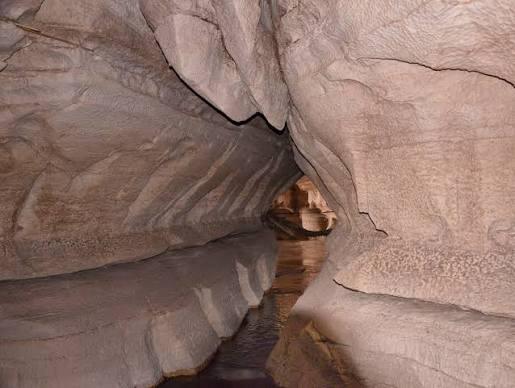
One of Africa's longest cave systems, carved by the Weyib River in Bale.
The Sof Omar Caves, also spelled Sof Umar, are one of Africa's longest and most spectacular cave systems, carved through limestone by the Weyib River in the Bale zone of southeast Ethiopia. The site is both a natural wonder, known for towering pillared chambers, and an Islamic pilgrimage place linked to the holy man Sheikh Sof Omar.
Sof Omar is a vast river cave: the Weyib River, also called the Web River, disappears underground and flows through a network of limestone passages before emerging again downstream, cutting galleries, tunnels and soaring chambers over a length that ranks among the longest cave systems on the African continent. Inside, water has sculpted dramatic fluted columns and high vaulted halls, the most famous being the great pillared chamber often called the Chamber of Columns. The site is also a religious landmark, named after Sheikh Sof Omar, and it draws both Muslim pilgrims and travellers interested in geology and adventure. Exploring it means wading, scrambling and passing through darkness, so a local guide and a reliable light source are essential.
Sof Omar rewards travellers who want something well off the standard northern circuit. The scale of the chambers and the way the river threads through the rock make it one of the most striking natural sites in Ethiopia, and its dual identity as both a geological wonder and a living pilgrimage place gives it a depth many cave visits lack. Because it sits in the Bale zone, it pairs naturally with the highlands and wildlife of the Bale Mountains, letting you combine dramatic scenery, endemic animals and an underground adventure in one region. It suits curious, reasonably fit travellers happy to get their feet wet for a genuine sense of discovery.
The caves take their name from Sheikh Sof Omar, a Muslim holy man associated with the site centuries ago, and they remain an important place of Islamic pilgrimage in the region. Long before that, the caves held significance in older local belief, and the site is layered with both natural and spiritual history. The passages themselves are the work of the Weyib River over a very long span of time, slowly dissolving and carving the limestone into the galleries seen today. The combination of a sacred association and a natural marvel has made Sof Omar a landmark of the Bale zone, valued by pilgrims and travellers alike.
A visit centres on exploring the cave network with a guide. Highlights include:
The safest time to visit is the dry season, when river levels inside the cave are lower and passages are easier and less risky to move through. Because the route follows an active river, heavy rain can raise water levels quickly and make sections dangerous or impassable, so the wet months are best avoided for the full traverse. In the Bale zone the drier period broadly runs from around October to March, though local timing varies year to year. Always check current water levels and conditions with your guide before entering.
| Period | What to expect |
|---|---|
| October to March (drier) | Lower water inside; best window for the full route. |
| April to May | Transitional; check rainfall and river levels first. |
| June to September (wetter) | Higher, faster water; passages can be unsafe or closed. |
Sof Omar lies in the Bale zone of southeast Ethiopia, roughly 550 to 600 kilometres from Addis Ababa, beyond the towns of Robe and Goba. Most travellers reach it overland by hired vehicle, typically as an extension of a Bale Mountains trip, following the main road south and east and then a rougher stretch out to the caves. The final approach is remote and a sturdy, high-clearance vehicle is recommended. There is no direct public transport that drops you at the entrance, so a private vehicle with a driver or an organised tour is the practical option. Exact drive times and road conditions change, so confirm them close to travel.
The cave visit itself takes a few hours, but the long, remote drive means Sof Omar is rarely a quick stop. Most travellers give it the better part of a day and combine it with time in the Bale Mountains, sometimes overnighting in Robe or Goba on the way.
| Trip type | Suggested time |
|---|---|
| Cave only | A few hours underground with a guide. |
| Day excursion | A full day allowing for the long drive each way. |
| With Bale Mountains | Fits within a 3 to 5 day southeast highlands trip. |
There is no lodging at the caves themselves. Most travellers stay in the nearby towns of Robe or Goba, which have the main concentration of hotels and guesthouses in the Bale zone, and visit Sof Omar as a day trip from there or on the way through. Wabe Shebelle Hotel in Goba is the usual choice, with budget and mid-range rooms elsewhere in Goba and Robe. If you are combining the caves with the Bale highlands, Bale Mountain Lodge in the Harenna Forest is the more comfortable base, though it is a long drive from the caves. Standards and rates change, so confirm current accommodation when you book.
Wear clothes and footwear you do not mind getting wet, as you will wade through shallow water inside the cave. Sturdy sandals or shoes with grip help on slippery rock. A reliable headtorch with spare batteries is the single most important item, so bring your own even if lights can be hired. Add quick-drying trousers, a dry bag for valuables and phone, water and sun protection for the surface sections. Dress modestly out of respect for the site’s religious significance.
The main hazard is the river. Because the caves follow an active waterway, levels can rise fast after rain, and sections can become dangerous, so never enter without a local guide and never attempt the route in high water. Slippery rock, uneven footing and total darkness are the other risks; move carefully and keep your light in hand. More broadly, check your government’s current travel advisory before you travel and confirm regional conditions with a reputable operator close to your trip: Let your guide set the pace and turn back if water levels look unsafe.
Sof Omar pairs most naturally with the Bale Mountains National Park, whose high moorlands and Afro-alpine plateau are home to endemic wildlife such as the Ethiopian wolf and the mountain nyala. The towns of Robe and Goba serve as the regional base for both. Travellers with more time sometimes link the Bale region westward toward the Rift Valley lakes, or continue south toward Arba Minch and the lakes and landscapes of the southern circuit. A common itinerary combines the Bale highlands and Sof Omar into a single southeast loop.
They are one of Africa's longest cave systems, carved through limestone by the Weyib River in the Bale zone of southeast Ethiopia. The site is both a natural wonder and an Islamic pilgrimage place linked to Sheikh Sof Omar.
Yes. You will see the name written as both Sof Omar and Sof Umar; they refer to the same caves and the same holy man they are named after.
Yes. A local guide is effectively required because of the darkness, the uneven terrain and the active river running through the passages. You also need a reliable light source.
The drier months, broadly October to March, when river levels inside are lower. Heavy rain can raise water fast and make sections unsafe, so avoid the full route in the wet season.
It is roughly 550 to 600 kilometres from Addis Ababa in the Bale zone, beyond Robe and Goba. Most travellers reach it overland by hired vehicle, often as part of a Bale Mountains trip.
Yes. The route follows the Weyib River, so expect to wade through shallow water and scramble over slippery rock. Wear footwear and clothing you do not mind getting wet.
The main risk is rising river water after rain, so go with a guide in the dry season and never enter in high water. Check your government's current travel advisory and confirm regional conditions before you travel.
We do not run a scheduled tour to Sof Omar Caves yet. Tell us your dates and we will build one around it.
Ask for an itinerary See all Ethiopia tours → Or rent a car in Ethiopia →
Afroalpine plateau and the best place on earth to see Ethiopian wolves.
Read More about Bale Mountains National Park →A chain of lakes south of Addis for birding and weekend escapes
Read More about Rift Valley Lakes →Twin Rift Valley lakes, giant crocodiles and the gateway to the south.
Read More about Arba Minch →