---------------------------------
Address
Phone: +251 988 111 222
Need help or have a question?
Contact us at: info@driveethiopia.com
Addis Ababa, Ethiopia
---------------------------------
Address
Phone: +251 988 111 222
Need help or have a question?
Contact us at: info@driveethiopia.com
Addis Ababa, Ethiopia


Lush southwest highlands widely regarded as the birthplace of Arabica coffee.
Jimma and Kaffa are neighbouring areas in the green southwest highlands of Ethiopia. Kaffa, also written Kefa, is widely regarded as the birthplace of Arabica coffee and gives coffee its name, and its wild coffee forests are protected as a UNESCO biosphere reserve. Jimma is the region's main town and the former seat of the Kingdom of Jimma.
Jimma and Kaffa sit in the lush, high-rainfall southwest of Ethiopia, a region of forested hills, green farmland and the wild coffee that made it famous. Kaffa, or Kefa, is the area most often credited as the origin of Arabica coffee, the species that supplies most of the world’s coffee, and the very word coffee is commonly traced back to the name Kaffa. Its montane rainforests still hold wild-growing coffee and are protected within the Kafa Biosphere Reserve, recognised by UNESCO. Jimma is the largest town in the southwest and the historic centre of the former Kingdom of Jimma, whose most famous ruler, Abba Jifar II, built a hilltop palace at Jiren that visitors can still see. Together the two areas anchor Ethiopia’s coffee-origin tourism.
For anyone who cares about coffee, this is the source. Standing in a forest where Arabica grows wild, or tasting coffee where its story begins, gives the region a pull that few other places can match. Beyond the cup, the southwest is one of the greenest and least-visited parts of Ethiopia, a change of pace from the arid north, with rolling highlands, birdlife and a strong sense of living history at the Abba Jifar palace. It suits travellers drawn to culture, nature and the origin story of a global drink rather than headline monuments, and it works well for those wanting a quieter, more rural side of the country.
Kaffa’s reputation as the cradle of coffee is woven into its identity, and the region’s wild coffee forests are a living link to that origin. Jimma’s recorded history centres on the Kingdom of Jimma, one of a group of monarchies that flourished in the southwest before the area was absorbed into the wider Ethiopian state in the late nineteenth century. Its best-remembered king, Abba Jifar II, was a powerful ruler and a major figure in the regional coffee trade, and the palace complex he built at Jiren, on a hill above Jimma, remains the area’s most important historic site. The kingdom was known for its wealth, much of it built on coffee, ivory and trade.
The region blends coffee heritage, history and green landscapes. Key things to do include:
This is a high-rainfall region, so the driest months are the most comfortable for forest walks and road travel. The dry season broadly runs from around October to February, when tracks are firmer and forest visits easier, while the long rains from roughly June to September bring heavy downpours and muddy roads. The coffee harvest, generally in the late-year months, is an especially rewarding time to see the crop being picked and processed, though exact timing shifts by area and season. Confirm harvest dates locally if that is your focus.
| Period | What to expect |
|---|---|
| October to February (drier) | Best for forest walks and travel; often overlaps harvest. |
| March to May | Building rains; green but increasingly wet underfoot. |
| June to September (main rains) | Heavy rain and muddy roads; forest access harder. |
Jimma lies in the southwest highlands roughly 350 kilometres from Addis Ababa, and the Kaffa area extends further southwest beyond it. The most common way in is overland by road from Addis Ababa, a route served by both private vehicles and long-distance buses. There is also an airport at Jimma with domestic flight connections, which can save considerable time compared with the drive. From Jimma, reaching the wild coffee forests of Kaffa involves further travel on secondary roads, best done with a vehicle and local guidance. Exact drive times, bus schedules and flight options change, so confirm them close to travel.
How long you need depends on whether you want a taste of Jimma town and the Abba Jifar palace or a deeper trip into the Kaffa coffee forests. A short visit can cover Jimma’s highlights, while forest walks and coffee-origin experiences reward more time.
| Trip type | Suggested time |
|---|---|
| Jimma highlights | One to two days for the town and palace. |
| Coffee-origin focus | Three to four days adding Kaffa forests and farms. |
| Wider southwest loop | Five days or more linking further regions. |
Jimma town has the widest choice of accommodation in the southwest, from budget guesthouses to a few mid-range hotels, and it makes a practical base for exploring the region. Honey Land Hotel is the largest and most expensive in town, with Central Jimma Hotel and Coffee Land Hotel as the mid-range alternatives. Deeper in the Kaffa area, around Bonga, options are more limited and simpler, sometimes including community or eco-lodging near the forests. Standards and rates change, so confirm current options when you book.
Pack for a green, wet-leaning climate: a waterproof jacket, quick-drying layers and shoes with grip are useful year-round, and essential in the rains. For forest walks bring insect repellent, long sleeves and trousers, and consider a walking stick for muddy trails. Add sun protection for open highland stretches, plus small birr notes for fees and coffee. A reusable cup is a nice touch when tasting at the source, and modest dress is appropriate around towns and communities.
The southwest is generally a rural, low-key part of Ethiopia, but conditions can vary, so check your government’s current travel advisory before you travel and confirm regional conditions with a reputable operator close to your trip: The everyday practicalities to plan for are the wet-season roads, which can be slow and muddy, and forest walks, which are best done with a local guide who knows the trails. Take normal precautions with valuables in town, and drink treated or bottled water.
Jimma and Kaffa sit at the gateway to Ethiopia’s southwest and connect to several onward options. Travellers often approach or depart via Addis Ababa, the natural hub for the region. With more time, some link the southwest toward the cultures of the Omo Valley further south, or across to Arba Minch and the lakes and landscapes of the southern circuit, though these are substantial overland journeys. Within the region itself, the combination of the Abba Jifar palace, Jimma town and the Kaffa coffee forests makes a coherent coffee-origin itinerary on its own.
Kaffa, also written Kefa, is widely regarded as the birthplace of Arabica coffee, and the word coffee is commonly traced to its name. Its montane forests still hold wild-growing coffee, protected within the Kafa Biosphere Reserve.
Jimma is the main town of the southwest and the historic seat of the Kingdom of Jimma. Its standout site is the hilltop Abba Jifar palace at Jiren, and the town has a lively market and everyday highland life.
Jimma lies roughly 350 kilometres southwest of Addis Ababa. You can travel overland by private vehicle or long-distance bus, or fly into Jimma's airport on a domestic connection to save time.
The drier months, broadly October to February, are most comfortable for forest walks and travel and often overlap the coffee harvest. The main rains from June to September bring heavy downpours and muddy roads.
Yes. The wild Arabica coffee forests of Kaffa are protected within the Kafa Biosphere Reserve and can be explored on guided walks, best arranged locally with someone who knows the trails.
Very much so. Combining the Kaffa forests, working coffee farms and the Abba Jifar palace makes a coherent coffee-origin itinerary at the source of Arabica, especially rewarding during the harvest.
The southwest is generally a quiet, rural region, but conditions can vary. Check your government's current travel advisory and confirm regional conditions with a reputable operator before you travel, and plan for slow, muddy roads in the rains.
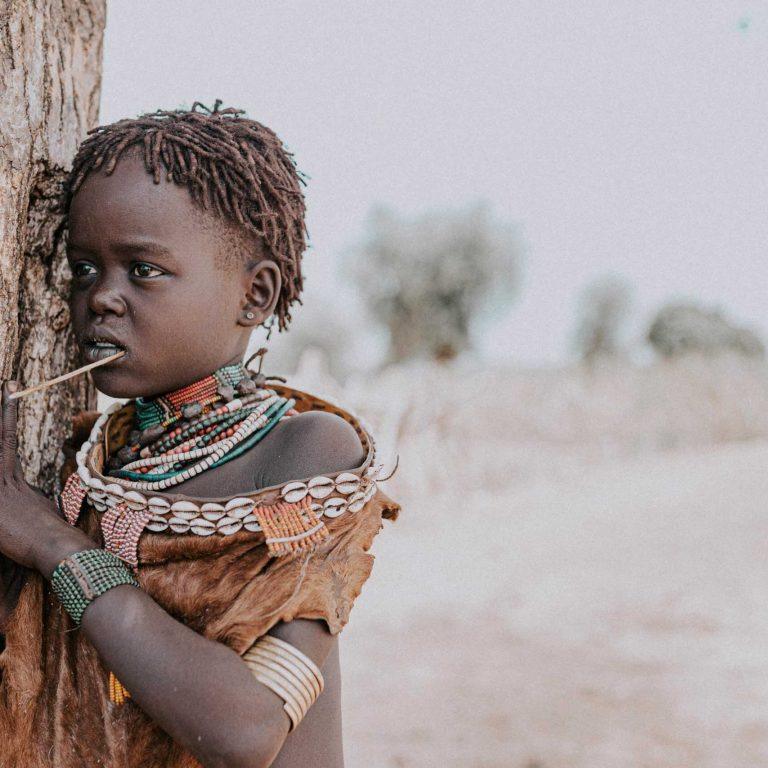
Southern Ethiopia's river valley, home to many distinct communities.
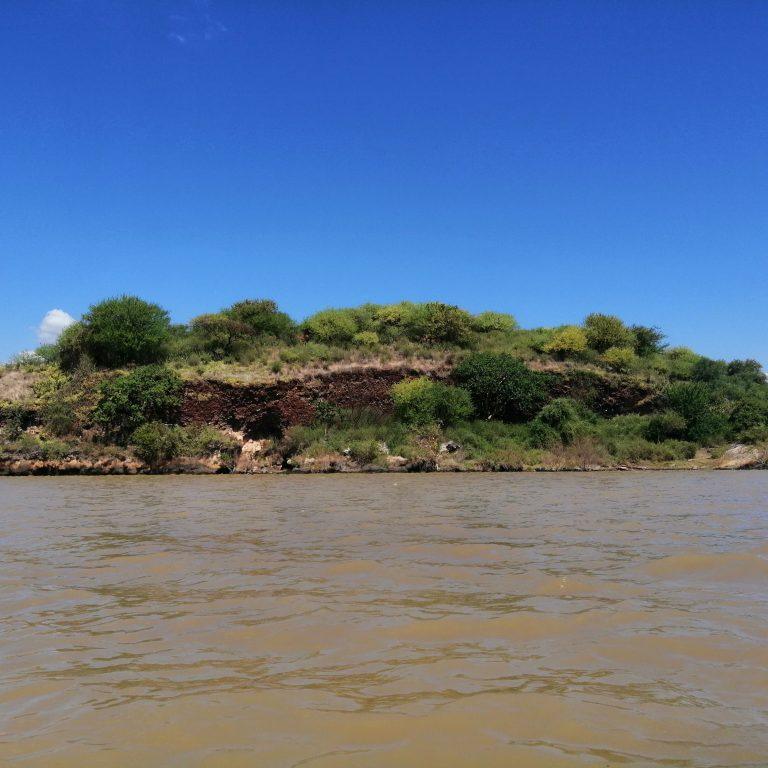
Read More about Omo Valley →Twin Rift Valley lakes, giant crocodiles and the gateway to the south.
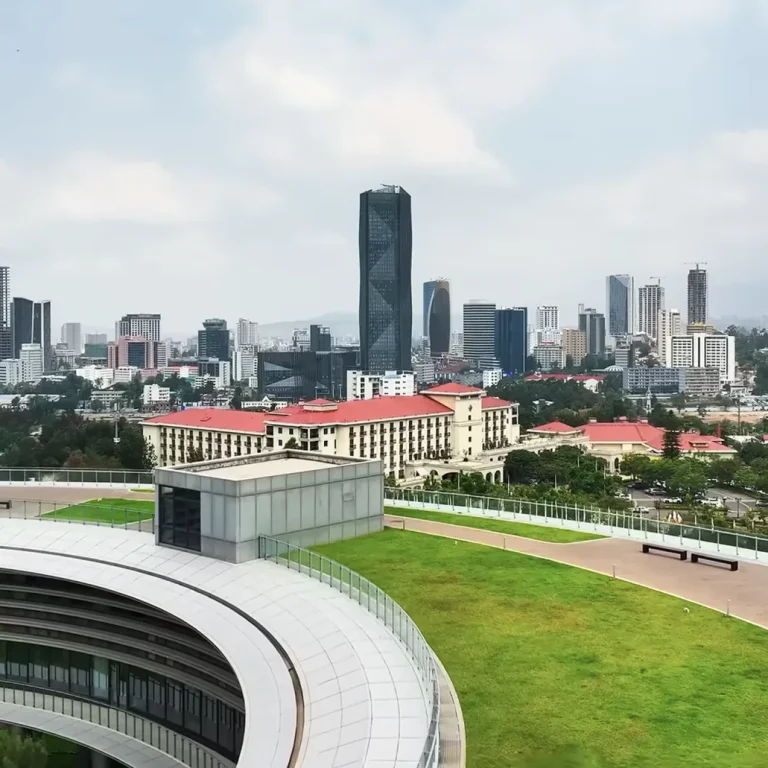
Read More about Arba Minch →Ethiopia's high-altitude capital, home to Lucy and the gateway to every trip.
Read More about Addis Ababa →