---------------------------------
Address
Phone: +251 988 111 222
Need help or have a question?
Contact us at: info@driveethiopia.com
Addis Ababa, Ethiopia
---------------------------------
Address
Phone: +251 988 111 222
Need help or have a question?
Contact us at: info@driveethiopia.com
Addis Ababa, Ethiopia


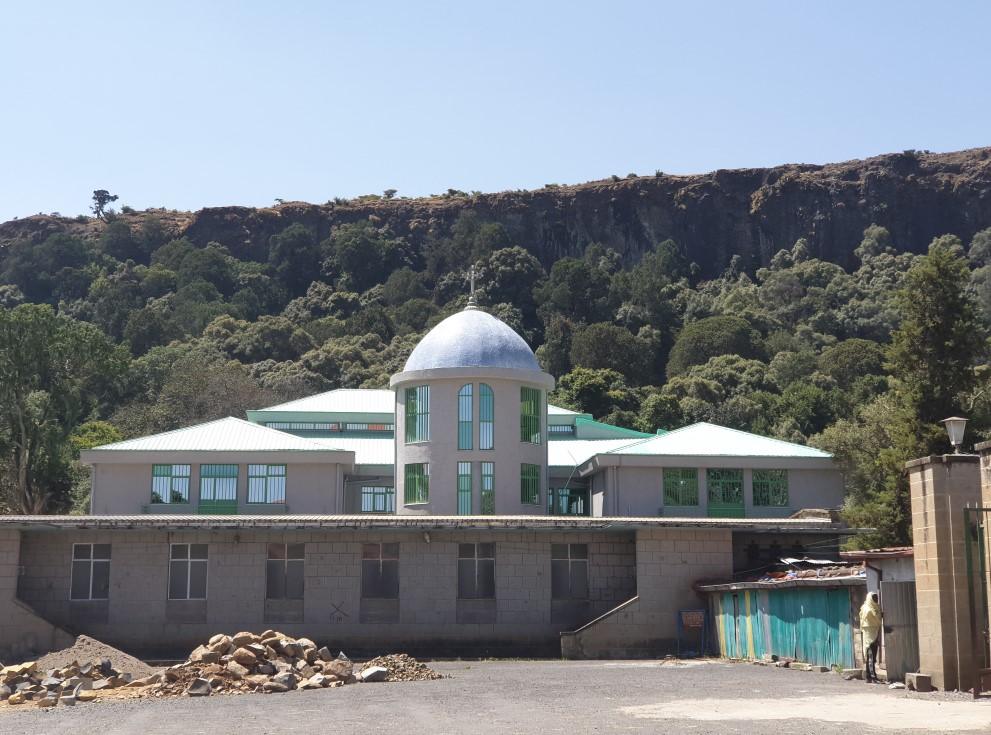
Historic monastery on the edge of the Jemma gorge, an easy day trip from Addis.
Debre Libanos is one of the most important monasteries of the Ethiopian Orthodox Church, set on a ledge above the Jemma River gorge about 110 kilometres north of Addis Ababa. Founded in the 13th century by the saint Tekle Haymanot, it is a place of pilgrimage and a popular day trip from the capital.
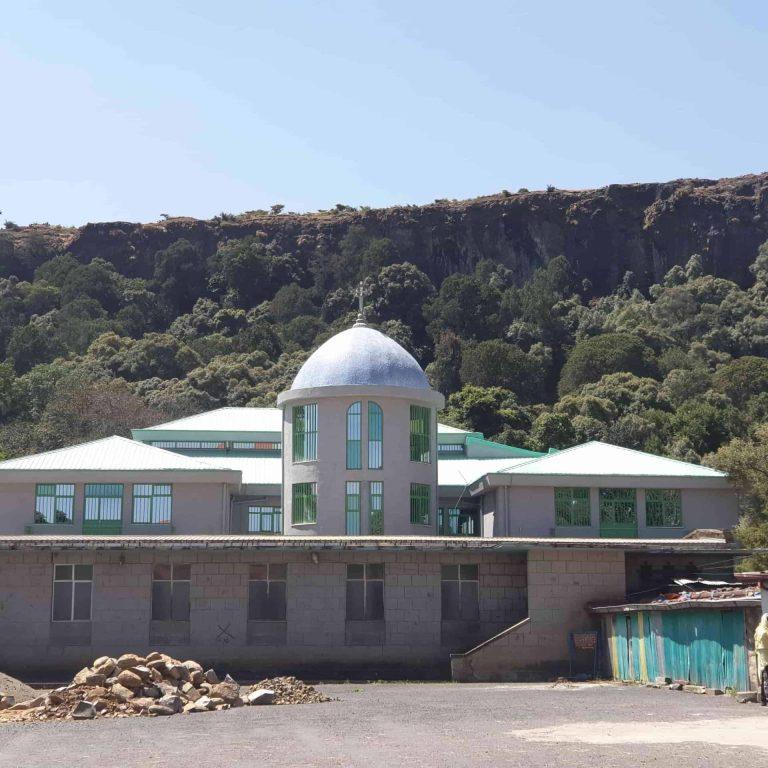
Debre Libanos is a working monastery and pilgrimage centre in the Oromia region, north of Addis Ababa. The present church, with its domed roof and stained-glass windows, was built in the 1960s on the site of much older churches, and it sits against a backdrop of cliffs, springs and eucalyptus above the deep Jemma gorge, a tributary valley of the Blue Nile. Nearby are the cave where Tekle Haymanot is said to have prayed, a small museum, and the old stone bridge known as the Portuguese Bridge, with views into the gorge where gelada baboons are often seen.
Debre Libanos packs faith, history and a spectacular gorge into an easy day from Addis Ababa. The drive north crosses open highland farmland, and the monastery itself has a calm, devotional atmosphere, with pilgrims collecting holy water from the springs. Combined with the bridge, the gorge views and the chance of seeing geladas, it makes one of the best short escapes from the capital, and a good first taste of Ethiopian Orthodox culture for travellers with limited time.
The monastery was founded in the 13th century by Tekle Haymanot, one of Ethiopia’s most revered saints, and it became the seat of an influential monastic order whose head was long one of the most senior figures in the Ethiopian church. The site has been rebuilt several times over the centuries. In 1937, during the Italian occupation, many monks and pilgrims were killed here, an event still remembered at the monastery. The current church was commissioned by Emperor Haile Selassie and completed in the early 1960s.
Debre Libanos can be visited all year. The dry months from October to March give the clearest gorge views and the easiest walking, while the rains from June to September turn the highlands green but can bring mist and muddy paths. Religious feast days bring many pilgrims and a lively atmosphere.
| Period | What to expect |
|---|---|
| October to March (dry) | Clear views over the gorge and easy walking. |
| April to May | Warm with occasional showers; still a good day trip. |
| June to September (rains) | Very green, but mist and mud are likely. |
Debre Libanos lies about 110 kilometres north of Addis Ababa, a drive of roughly two to two and a half hours on the paved road towards Fiche. The monastery is a short turn-off from the main road. Most visitors come by private car with a driver as a day trip; a sedan is fine for this route.
A day trip from Addis Ababa is enough to see the monastery, the cave, the bridge and the gorge views.
| Trip type | Suggested time |
|---|---|
| Day trip from Addis | One full day, returning in the evening. |
| Relaxed visit | One night at a lodge near the gorge. |
Most travellers return to Addis Ababa the same day. For a slower visit, there are simple lodges on the gorge rim near the Portuguese Bridge, where you can watch the geladas in the early morning.
Dress modestly for the monastery: women should cover their hair, shoulders and knees, and everyone removes shoes inside the church. Bring a warm layer, as the highlands are cool, plus water, sun protection and small birr notes for entry and donations.
Debre Libanos is a popular and generally straightforward day trip. As anywhere in Ethiopia, check your government’s current travel advice before you go and travel with a licensed driver or guide. Take care near the gorge edge, where there are few barriers.
The Portuguese Bridge and gorge viewpoints are next to the monastery. Debre Libanos pairs well with a day in Addis Ababa, and on another day with Wonchi crater lake or the Tiya stelae to the south of the capital.
About 110 kilometres north, roughly two to two and a half hours by car on a paved road, which makes it an easy day trip.
The monastery was founded in the 13th century by Tekle Haymanot, one of the most revered saints of the Ethiopian Orthodox Church.
Often, yes. Geladas are regularly seen on the gorge edge near the Portuguese Bridge, especially in the morning and late afternoon.
Modest clothing that covers shoulders and knees. Women should cover their hair, and everyone removes shoes before entering the church.
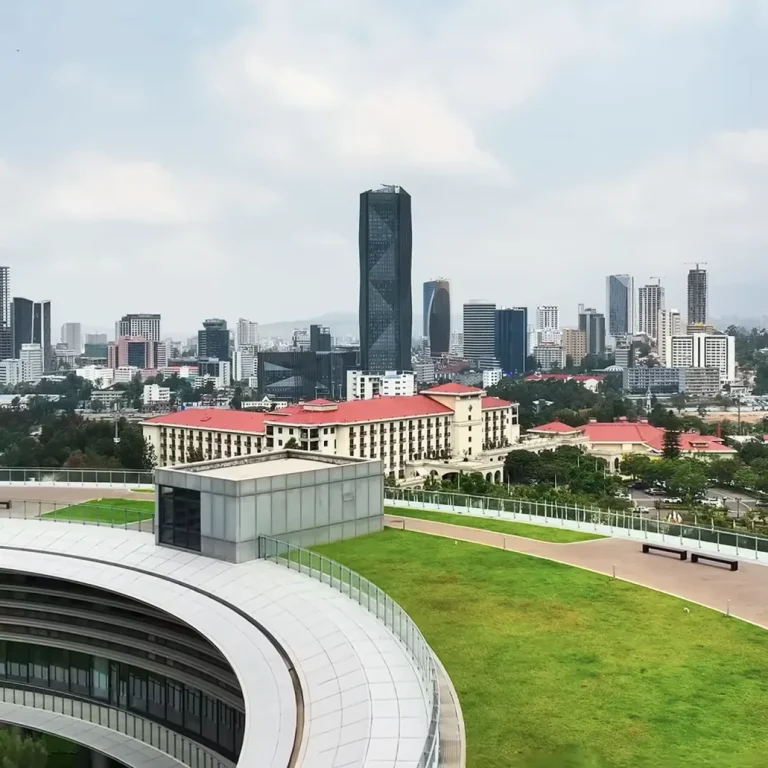
Ethiopia's high-altitude capital, home to Lucy and the gateway to every trip.
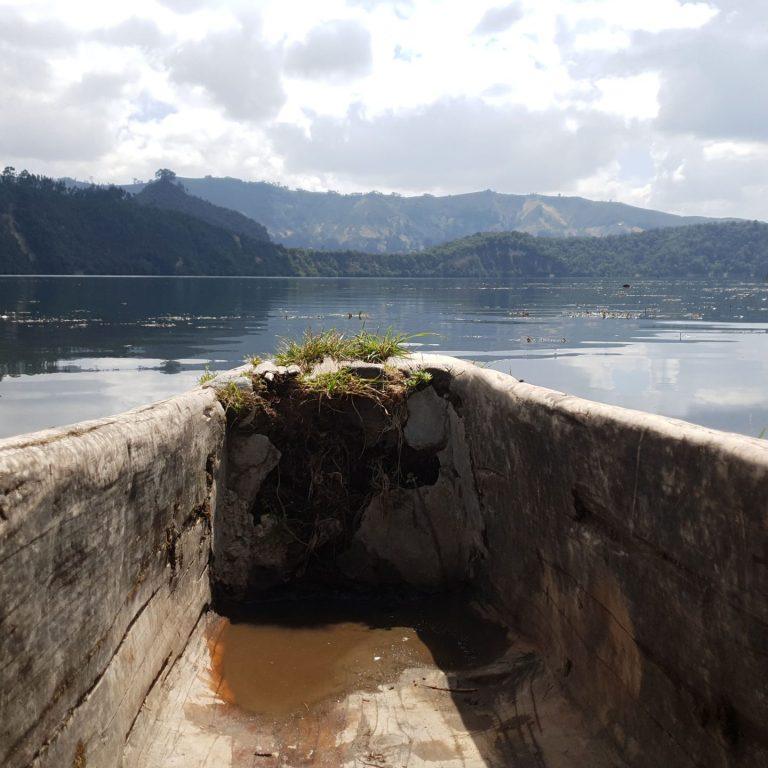
Read More about Addis Ababa →A volcanic crater lake with an island monastery, an easy trip from Addis
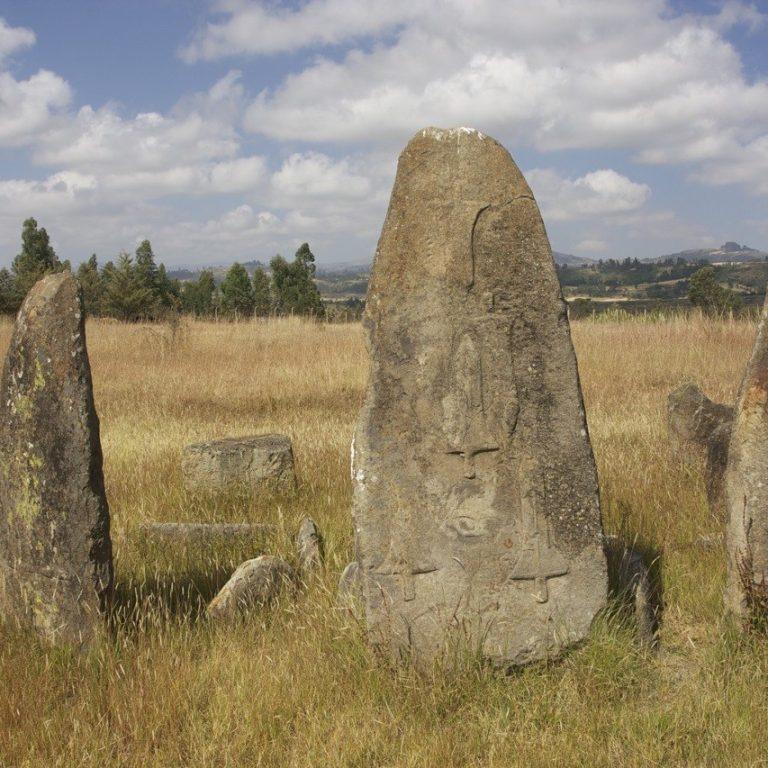
Read More about Wenchi Crater Lake →UNESCO-listed field of carved standing stones, south of Addis Ababa.
Read More about Tiya Stelae →