---------------------------------
Address
Phone: +251 988 111 222
Need help or have a question?
Contact us at: info@driveethiopia.com
Addis Ababa, Ethiopia
---------------------------------
Address
Phone: +251 988 111 222
Need help or have a question?
Contact us at: info@driveethiopia.com
Addis Ababa, Ethiopia


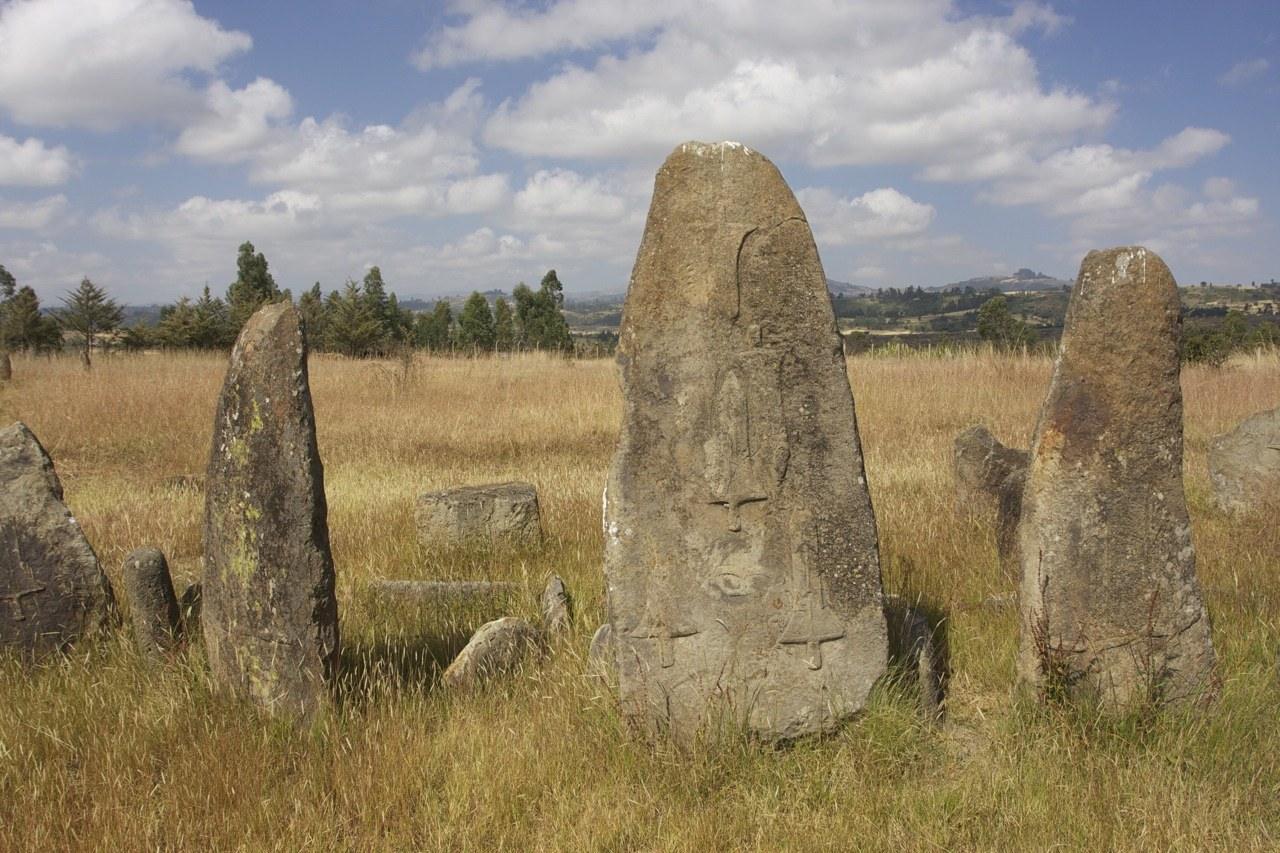
UNESCO-listed field of carved standing stones, south of Addis Ababa.
Tiya is an archaeological site in the Gurage zone, about 90 kilometres south of Addis Ababa, known for its field of ancient carved stelae. It was inscribed as a UNESCO World Heritage Site in 1980.
Tiya is a group of standing stones in a small fenced field beside the road south of Addis Ababa. UNESCO lists 36 monuments here, most of them carved with enigmatic symbols, including sword-like shapes, that have never been fully explained. The stelae are thought to mark graves, and they are one of the best-known of the many stelae sites that dot this part of southern Ethiopia.
Tiya is a quick, easy UNESCO site to add to a trip south from the capital. The carvings are unusual and atmospheric, the site is rarely crowded, and it sits on the road towards the Rift Valley lakes, so it breaks up the drive. It suits travellers who enjoy archaeology and off-the-beaten-track history.
The age and makers of the Tiya stelae are still debated by archaeologists, and dating estimates vary widely. Excavations found burials beneath some stones, supporting the idea that they are funerary monuments. UNESCO recognised the site in 1980 as an example of an ancient Ethiopian culture whose age has not yet been precisely determined.
Tiya can be visited all year. The dry season from October to March is the most comfortable; the rains from June to September make the countryside green but can bring afternoon showers.
| Period | What to expect |
|---|---|
| October to March (dry) | Best for walking and photography. |
| June to September (rains) | Green scenery, occasional showers. |
Tiya lies about 90 kilometres south of Addis Ababa on the road towards Butajira, around two hours by car. It is usually visited as a day trip or on the way south to the Rift Valley lakes, by private car with a driver.
The site itself takes about an hour. Combine it with Adadi Mariam and Melka Kunture for a full day from Addis Ababa.
| Trip type | Suggested time |
|---|---|
| Tiya only | About one hour on site. |
| Day trip with Adadi Mariam and Melka Kunture | One full day from Addis Ababa. |
There is little accommodation at Tiya itself. Most travellers return to Addis Ababa or continue south to Butajira or the Rift Valley lakes.
Bring sun protection, water and comfortable shoes, plus small birr notes for the entry fee and guide. A light rain jacket is useful in the wet season.
Tiya is a quiet rural site that is straightforward to visit. Check your government’s current travel advice before you go and travel with a licensed driver or guide.
Adadi Mariam rock church and the Melka Kunture prehistoric site are on the same road. Further south lie the Rift Valley lakes, and Wonchi crater lake is another good day trip from Addis Ababa.
Yes. Tiya was inscribed on the UNESCO World Heritage List in 1980 for its group of ancient carved stelae.
About 90 kilometres south, roughly two hours by car, so it is easily visited as a day trip.
Their exact age is still debated by archaeologists. They are thought to be funerary monuments, and burials have been found beneath some of them.
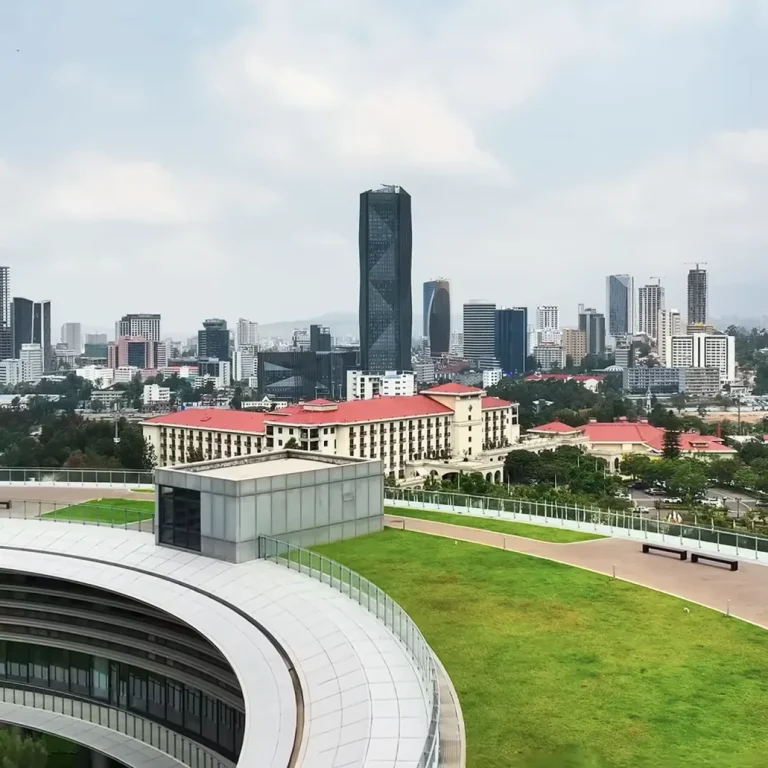
Ethiopia's high-altitude capital, home to Lucy and the gateway to every trip.
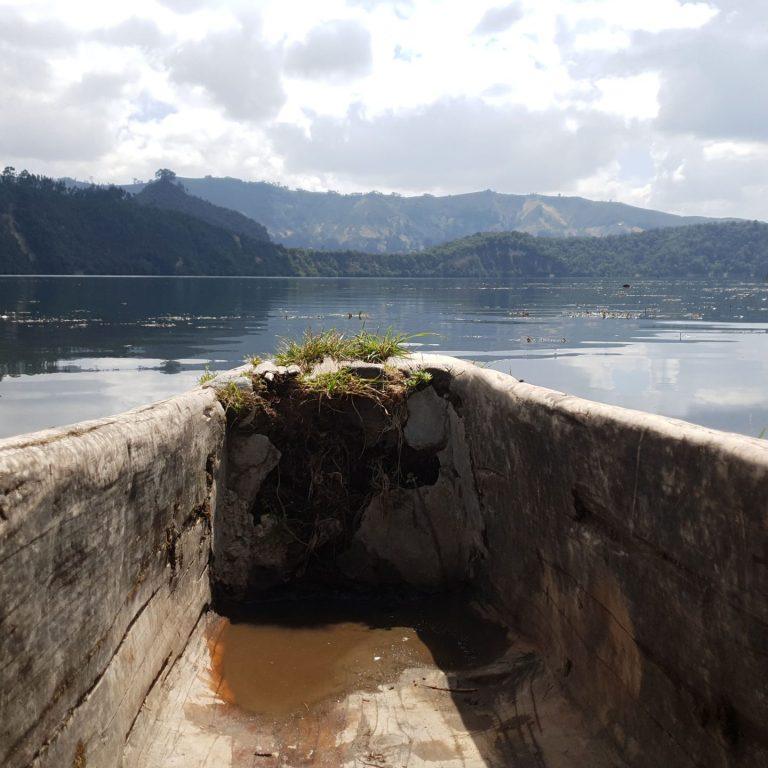
Read More about Addis Ababa →A volcanic crater lake with an island monastery, an easy trip from Addis
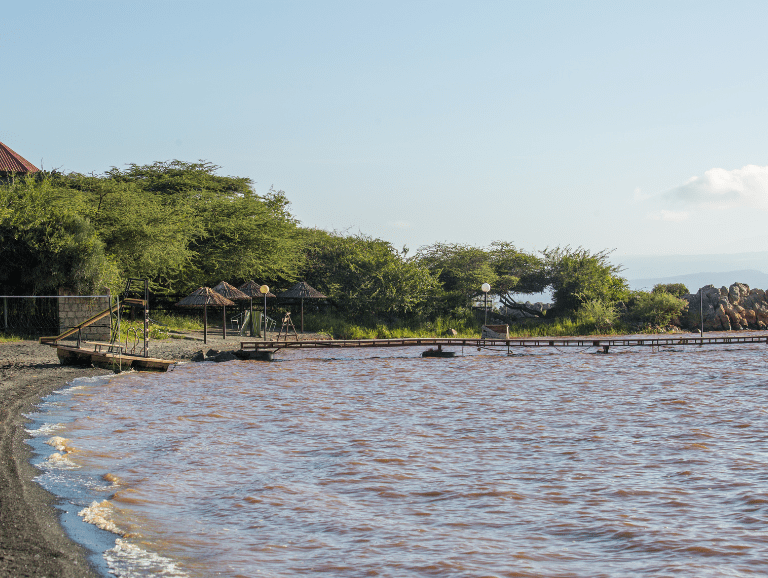
Read More about Wenchi Crater Lake →A chain of lakes south of Addis for birding and weekend escapes
Read More about Rift Valley Lakes →