---------------------------------
Address
Phone: +251 988 111 222
Need help or have a question?
Contact us at: info@driveethiopia.com
Addis Ababa, Ethiopia
---------------------------------
Address
Phone: +251 988 111 222
Need help or have a question?
Contact us at: info@driveethiopia.com
Addis Ababa, Ethiopia


Can you use your card in Ethiopia? Mostly no. Cash, ATMs, the 3,000 birr limit, currency declarations, exchange receipts and how much to tip.
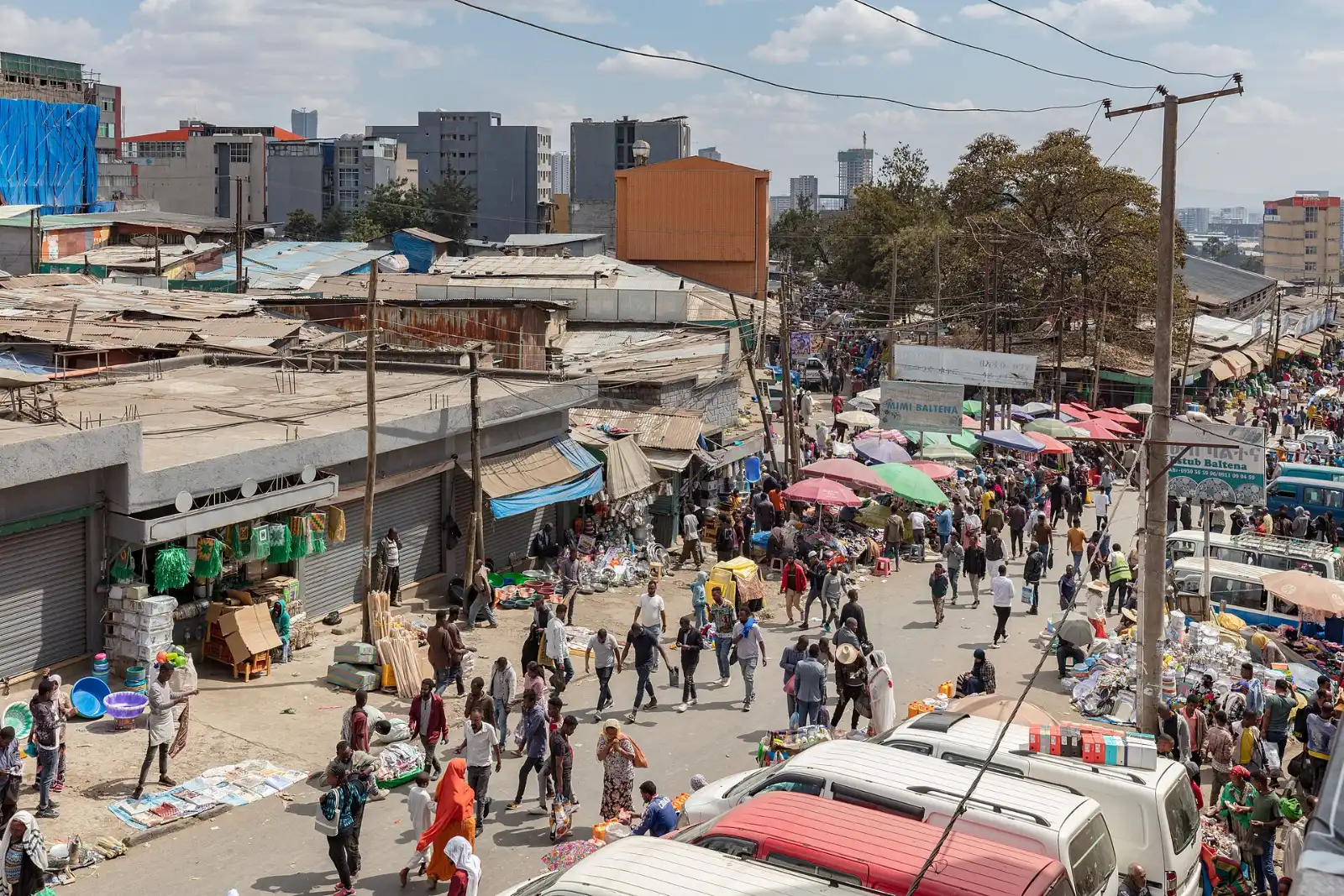
Ethiopia runs on cash. You can use a card at the larger international hotels in Addis Ababa and with Ethiopian Airlines, but almost everywhere else, from restaurants and shops to church entry and tips, you pay in birr. The UK government describes Ethiopia as a cash-based society, with card payments and ATMs limited and unreliable, especially outside the cities. Bring foreign currency in cash, change it at a bank, keep the receipt, and carry a card as a backup rather than a plan.
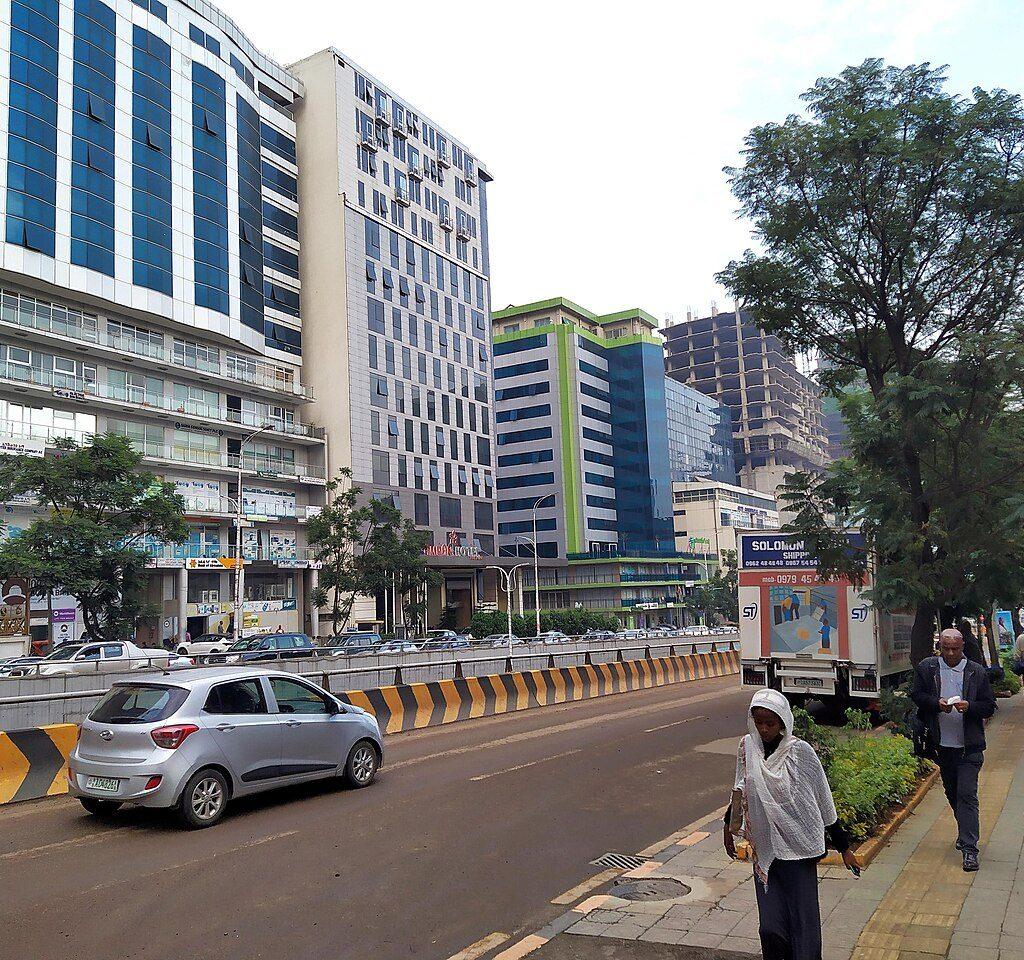
Sometimes, in a few places. Cards are generally accepted by Ethiopian Airlines, some travel agents, and international hotels such as the Sheraton, Hilton and Radisson Blu in Addis Ababa. Don't expect to pay by card at local restaurants, shops or markets, and outside Addis Ababa expect cash only.
ATMs are widely available in Addis Ababa and increasingly found in the larger towns. The Commercial Bank of Ethiopia says it accepts Visa, Mastercard and UnionPay international cards. Banks typically cap ATM withdrawals per card per day, and machines do go out of service, so never let yourself run down to your last note in a small town. Check your home bank's foreign fees before you leave.
The birr has floated since 29 July 2024, when the National Bank of Ethiopia moved to a market-based exchange rate. The rate now moves, so check it close to your trip rather than relying on a figure you read months ago.
You can change foreign currency into birr at Ethiopia's banks. Keep every exchange receipt. Without one, you are unlikely to be able to change leftover birr back into foreign currency at the end of your trip.
| What | Rule |
|---|---|
| Ethiopian birr | Up to 3,000 birr when entering or leaving, or up to 10,000 birr when travelling to Djibouti |
| Foreign currency, non-residents arriving by air | Declare cash over USD 10,000 or the equivalent |
| Foreign currency, residents of Ethiopia | Declare cash over USD 4,000 |
| Foreign currency, arriving by land | Declare cash over USD 500 |
| Leaving with foreign cash above these amounts | Show the customs declaration from your arrival, or the bank advice note if you bought the currency locally |
These come from the National Bank of Ethiopia's foreign exchange rules, as summarised in the UK government's travel advice of 7 October 2026. The penalties are serious: customs can seize cash above the legal limits, and you could face a prison sentence. Rules like these change, so check before you travel.
In practice, this means you can't get birr in advance in any useful quantity. Arrive with foreign currency and change it once you are in Ethiopia.
Tipping is expected for guides and drivers, and normal for good service in hotels and restaurants. This is our own guidance, from running trips in Ethiopia:
| Who | Typical tip |
|---|---|
| Guide | $25 to $30 a day |
| Driver | $15 to $20 a day |
| Hotel porter | $5 to $10 |
| Restaurant | About $5 |
You can tip in US dollars or the equivalent in birr. Smaller tips, for a porter or a waiter, are easier in birr.
On a trip with us, the driver's daily rate doesn't include tips, so budget for them separately.
Carry plenty of small notes. Church entry, local guides at sites, parking attendants and small purchases all work in cash, and nobody has change for a large note. Break big notes at your hotel or a bank when you can.
Keep your cash split between a money belt or inside pocket and a small amount for the day. The UK government names several busy parts of Addis Ababa, including Bole Medhanealem, Bole Atlas and Meskel Square, as areas where crime against foreigners has risen, and pickpocketing is common in crowds.
For what a trip itself costs, our guide to Ethiopia tour packages sets out how prices are built. Our first-time visitors guide covers the rest of your pre-departure checklist.
Only in a few places. Cards are generally accepted by Ethiopian Airlines, some travel agents and the international hotels in Addis Ababa. Elsewhere, and almost everywhere outside the capital, you pay in cash.
Bring foreign currency in cash and change it at a bank in Ethiopia, keeping the receipt. Dollars are also convenient for tipping guides and drivers. You can't usefully buy birr before you travel, because you can only bring in 3,000 birr.
Yes, widely in Addis Ababa and increasingly in larger towns. The Commercial Bank of Ethiopia says it accepts Visa, Mastercard and UnionPay. Machines can be out of service and daily limits apply, so don't rely on them alone.
Up to 3,000 birr, or up to 10,000 birr if you are travelling to Djibouti. Customs can seize amounts above the limit.
If you arrive by air with more than USD 10,000 or the equivalent, yes. The threshold is USD 500 if you arrive by land. Keep the declaration if you plan to leave with foreign cash above those amounts.
Our guidance: $25 to $30 a day for a guide, $15 to $20 a day for a driver, $5 to $10 for a hotel porter, and about $5 at a restaurant. You can tip in dollars or the equivalent in birr.
Tell us your route and dates, and we will tell you roughly how much cash to carry for the parts of the trip that need it. You will have a reply within two hours and a detailed itinerary with a quote within 24 hours.
Browse our tours or send us your plans.
