---------------------------------
Address
Phone: +251 988 111 222
Need help or have a question?
Contact us at: info@driveethiopia.com
Addis Ababa, Ethiopia
---------------------------------
Address
Phone: +251 988 111 222
Need help or have a question?
Contact us at: info@driveethiopia.com
Addis Ababa, Ethiopia


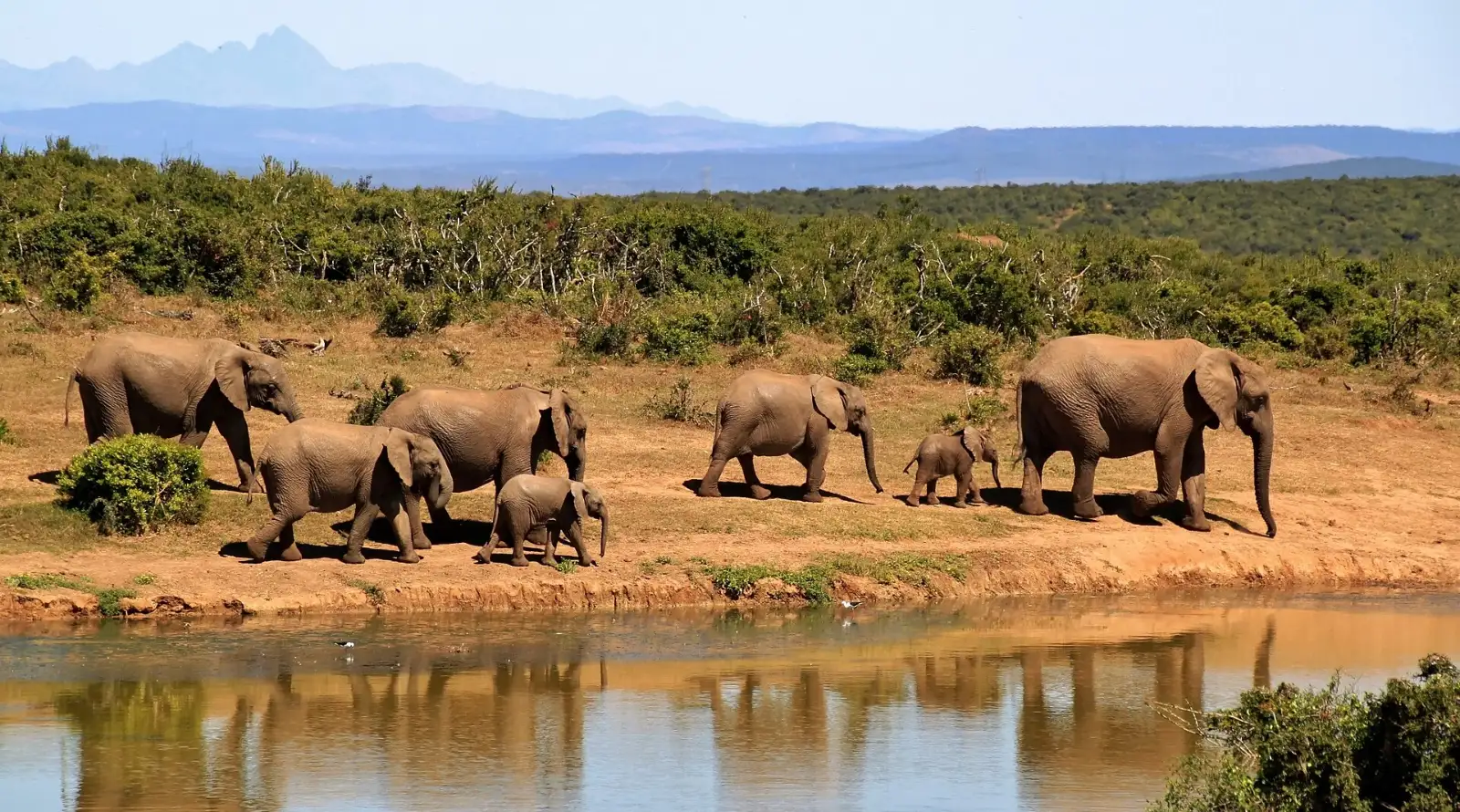
Rugged valleys near Harar sheltering a rare northeast African elephant population.
The Babile Elephant Sanctuary is a large protected area in the East Hararghe zone of eastern Ethiopia, about 40 kilometres south of Harar, covering roughly 6,980 square kilometres of dry river valleys. It shelters an estimated 200 to 300 elephants, about a quarter of Ethiopia's total, which belong to a distinct northeast African population sometimes classified as Loxodonta africana orleansi.
The sanctuary spans the Erer, Dakata and Fafen river valleys at 1,000 to 1,750 metres. Acacia woodland, rocky hills and dry riverbeds give it a harsh beauty.
Near Babile town, the Dakata Valley is famous for its balancing rock pillars, nicknamed the Valley of Marvels, which are easy to see on the road from Harar towards Jijiga.
Babile appeals to travellers combining Harar’s walled city with a wildlife adventure. Seeing elephants here takes effort and luck, but the rock landscapes, local culture and the chance to support conservation of a rare population make it rewarding.
The sanctuary was created in the 1970s after poaching had reduced Ethiopia’s elephant numbers dramatically. It faces serious pressure from farming, charcoal production, invasive plants and conflict between elephants and people. Organisations including the Born Free Foundation have supported conservation and community work here.
The dry months from October to March are best for access. Elephants move widely, and sightings are never guaranteed at any time of year.
| Period | What to expect |
|---|---|
| October to March | Dry; best access. |
| April to May | Short rains; variable. |
| July to September | Rains; tracks harder. |
Fly from Addis Ababa to Dire Dawa, about one hour, then drive to Harar (around 1.5 hours) and on to Babile, about 40 kilometres further. Elephant tracking requires a 4×4 and local scouts arranged in advance.
The rock valley near Babile is a half-day trip from Harar. Allow one or two full days for a serious elephant search.
| Trip type | Suggested time |
|---|---|
| Half day | Dakata rock pillars and Babile town. |
| Full day | Elephant search with scouts. |
| Two days | Better chance of elephants plus Harar. |
Stay in Harar, which has guesthouses and hotels, or in Dire Dawa. There is no tourist lodge inside the sanctuary.
Bring sun protection, a hat, sturdy shoes, binoculars and plenty of water. Dress modestly in Harar and Babile, which are conservative towns.
Track elephants only with experienced local scouts and keep your distance. The road from Harar to Babile and Jijiga is the main route east; check current government advice for East Hararghe and the Somali region before travelling.
Harar’s UNESCO-listed walled city, Dire Dawa, and the Awash National Park on the way back to Addis Ababa.
Yes, an estimated 200 to 300 elephants live in the sanctuary, though they are shy and hard to find.
About 40 kilometres, under an hour by car.
The Dakata Valley near Babile, known for its striking balancing rock pillars.
They are a distinct northeast African population, sometimes classified as Loxodonta africana orleansi, although this classification is debated.
We do not run a scheduled tour to Babile Elephant Sanctuary yet. Tell us your dates and we will build one around it.
Ask for an itinerary See all Ethiopia tours → Or rent a car in Ethiopia →
A walled old town in eastern Ethiopia, a UNESCO-listed holy city.
Read More about Harar Jugol →Railway city of the east, with colourful markets and the gateway to Harar.
Read More about Dire Dawa →Savanna, a river gorge waterfall and a volcano east of Addis
Read More about Awash National Park →