---------------------------------
Address
Phone: +251 988 111 222
Need help or have a question?
Contact us at: info@driveethiopia.com
Addis Ababa, Ethiopia
---------------------------------
Address
Phone: +251 988 111 222
Need help or have a question?
Contact us at: info@driveethiopia.com
Addis Ababa, Ethiopia


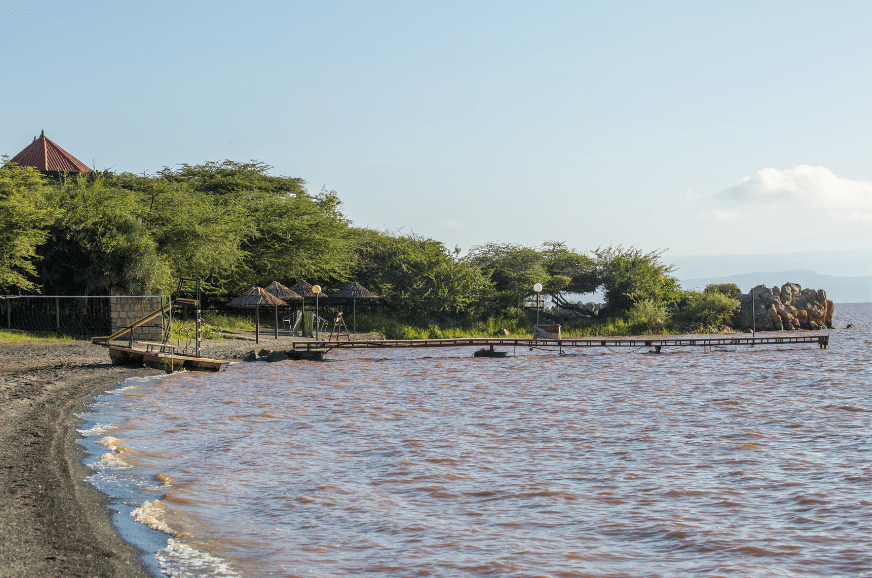
A chain of lakes south of Addis for birding and weekend escapes
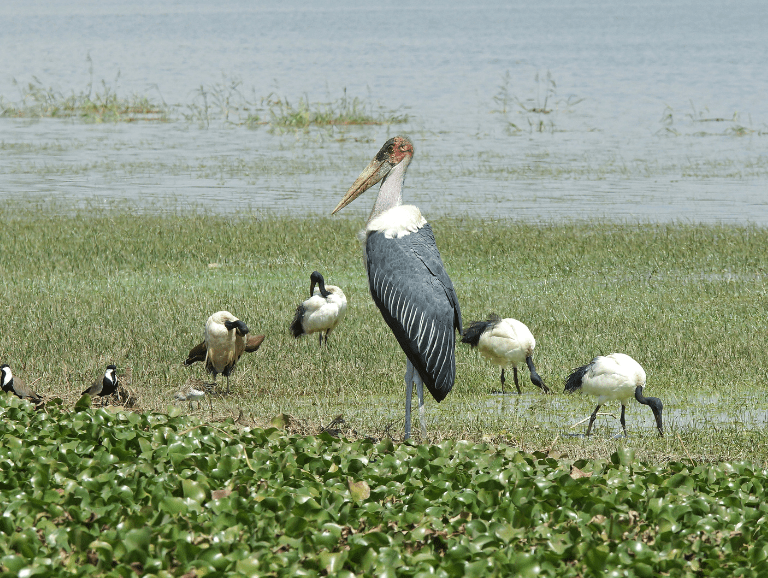
The Rift Valley Lakes are a chain of freshwater and alkaline lakes strung along the Ethiopian section of the Great Rift Valley, south of Addis Ababa. The main lakes are Ziway, Langano, Abijatta, Shalla and Hawassa. They are known for birdlife, hot springs, flamingos and easy weekend resort trips.
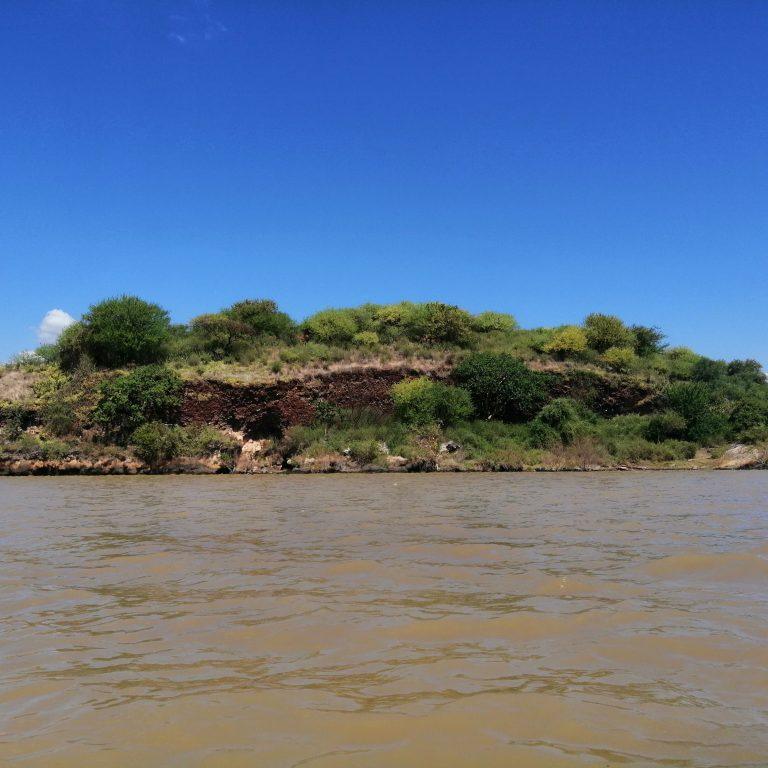
The Rift Valley Lakes are a series of lakes lying in the floor of the Main Ethiopian Rift, the branch of the Great Rift Valley that runs south-southwest from Addis Ababa toward Kenya. Moving south you reach Lake Ziway (a shallow freshwater lake with islands), Lake Langano (a brown-tinged lake popular for swimming), the twin lakes of Abijatta and Shalla inside Abijatta-Shalla National Park, and Lake Hawassa beside the city of Hawassa. Some lakes are freshwater, others are alkaline soda lakes, and each supports different wildlife and human uses. Together they form one of the most accessible nature-and-leisure regions in Ethiopia, reachable on a paved road from the capital.
The lakes are the closest place to Addis Ababa where you can combine serious birdwatching, a swim, hot springs and a lakeside resort in a single short trip. Langano is the traditional weekend beach for Addis residents because it has a reputation for being safe to swim in. Abijatta-Shalla draws greater and lesser flamingos, pelicans and huge flocks of waterbirds, while the surrounding acacia woodland and the shore of Ziway are excellent for birders chasing a big day list. Hawassa offers a lively lakeside promenade, fresh fish and an early-morning fish market. If you have only a weekend and want landscape, wildlife and comfort without a long journey, this region delivers all three.
The lakes sit in a tectonically active zone where the African continent is slowly pulling apart, and the same rifting that formed the valley produced the volcanic hills, hot springs and mineral-rich soda lakes you see today. The valley floor has been inhabited for a very long time, and the wider Rift Valley of Ethiopia is famous in paleoanthropology for early hominin finds elsewhere in the region. In more recent history the lakeshores have supported fishing communities, farming and, since the twentieth century, a growing leisure and resort economy centred on Langano and Hawassa. Abijatta-Shalla National Park was established to protect the lakes’ birdlife and the surrounding woodland, though grazing and human pressure remain live conservation issues.
The region rewards a mix of wildlife watching, water activities and relaxation. Highlights include:
The lakes can be visited year-round, but the dry months from roughly October to March give the most reliable weather for swimming, boating and photography, and coincide with strong birdlife as migratory species are present. The main rains fall from June to September and can make dirt tracks around Abijatta-Shalla muddy, though the paved main road stays usable. Water levels and flamingo numbers on Lake Abijatta vary from year to year, so bird spectacles are never guaranteed.
| Period | What to expect |
|---|---|
| October to February | Dry, warm, good birding and swimming; peak weekend season |
| March to May | Hot and increasingly humid; still good before the big rains |
| June to September | Main rains; green scenery but muddy side tracks |
The Rift Valley Lakes lie along the main paved road running south from Addis Ababa toward Hawassa and the south of the country. Lake Ziway is the nearest of the main lakes, roughly 160 km south of Addis, with Langano and the Abijatta-Shalla area a little further, and Hawassa around 270 km south. Because it is a single well-surfaced highway, the drive is straightforward and the lakes can be strung together in sequence. Regular buses and minibuses run the corridor, and Drive Ethiopia can arrange a private vehicle so you can stop at several lakes in a day. Exact drive times depend on traffic and roadworks, so confirm them close to travel.
You can see one or two lakes on a long day trip from Addis, but two to three days lets you combine birding, a swim and a night at a lakeside resort without rushing. If you continue south to Arba Minch or the Omo Valley, the lakes make a natural first stop on a longer southern loop.
| Trip type | Suggested time |
|---|---|
| Quick day trip | 1 day (Ziway or Langano only) |
| Lakes weekend | 2 to 3 days |
| Part of a southern loop | 1 to 2 days en route to Arba Minch |
Langano has the highest concentration of resorts, ranging from simple lodges to comfortable lakeside hotels with cabins, and it is the usual overnight base for a lakes weekend. Hawassa, being a city, has a wide range of hotels including lakefront options and is convenient if you want restaurants and services. On Langano itself, Sabana Beach Resort, Bishangari Lodge and Haile Resort Langano are the established names, with Hara Langano Eco Lodge as a quieter alternative. Haile Resort has properties on Lake Hawassa and at Ziway as well. Ziway town has basic hotels suited to birders wanting an early start. Rates change, so confirm current prices and book ahead on weekends and holidays when Langano fills up.
Bring a swimsuit and a quick-dry towel for Langano, plus strong sun protection, a hat and sunglasses for the exposed valley floor. Binoculars and a bird guide transform the experience at Abijatta-Shalla and Ziway. Insect repellent is useful near the water at dusk, and light long sleeves help in the evenings. Bring cash in small notes for park fees, boats and roadside food, as card payment is unreliable outside the larger hotels.
The lakes region is a well-travelled leisure area, but ordinary precautions apply. Lake Langano has a long-standing local reputation for being free of the parasite that causes bilharzia (schistosomiasis), which is why it is the region’s traditional swim lake; other lakes do not share that reputation, so avoid swimming or wading in them. Watch for hippos and crocodiles near shorelines, do not swim at dusk, and use a life jacket on small boats. As with any trip, check your government’s current travel advisory before you travel.
The lakes pair naturally with Awash National Park to the east for more savanna wildlife, and with Arba Minch further south, where Lakes Abaya and Chamo and Nechisar National Park continue the Rift Valley theme. Wenchi Crater Lake, west of Addis, makes a contrasting highland day trip. A common itinerary is a lakes weekend on the way to Arba Minch and the Omo Valley, or a short two-day loop combining Ziway, Langano and Abijatta-Shalla before returning to Addis Ababa.
Lake Ziway, the nearest of the main lakes, is roughly 160 km south of Addis Ababa along the paved highway. Langano and Abijatta-Shalla are a little further, and Hawassa is around 270 km south. Exact drive times vary with traffic, so confirm them close to travel.
Lake Langano is the traditional swim lake and has a long-standing local reputation for being free of bilharzia. Other lakes in the chain do not share that reputation, and hippos and crocodiles are present, so swimming is generally limited to Langano.
Lake Abijatta, inside Abijatta-Shalla National Park, is the classic flamingo lake, drawing greater and lesser flamingos along with pelicans and other waterbirds. Numbers vary from year to year with water levels, so sightings are never guaranteed.
Langano has a long-standing local reputation for being free of the parasite that causes bilharzia, which is why Addis residents use it as their swim lake. That is a reputation rather than a medical guarantee, so use your own judgement and avoid the other lakes for swimming.
A single lake can be seen on a long day trip from Addis, but two to three days lets you combine birding, a swim and a lakeside night comfortably. The lakes also work as a one to two day first stop on a longer southern loop toward Arba Minch.
You can visit independently, especially Langano and Hawassa, but a guide adds a lot at Abijatta-Shalla for finding and identifying birds. A scout or park fee may apply inside the national park; confirm current requirements and rates locally.
The dry months from roughly October to March offer the most reliable weather for swimming, boating and birding. The main rains from June to September bring green scenery but muddy side tracks around the national park.
Savanna, a river gorge waterfall and a volcano east of Addis
Read More about Awash National Park →Twin Rift Valley lakes, giant crocodiles and the gateway to the south.
Read More about Arba Minch →A volcanic crater lake with an island monastery, an easy trip from Addis
Read More about Wenchi Crater Lake →Ethiopia's high-altitude capital, home to Lucy and the gateway to every trip.
Read More about Addis Ababa →