---------------------------------
Address
Phone: +251 988 111 222
Need help or have a question?
Contact us at: info@driveethiopia.com
Addis Ababa, Ethiopia
---------------------------------
Address
Phone: +251 988 111 222
Need help or have a question?
Contact us at: info@driveethiopia.com
Addis Ababa, Ethiopia


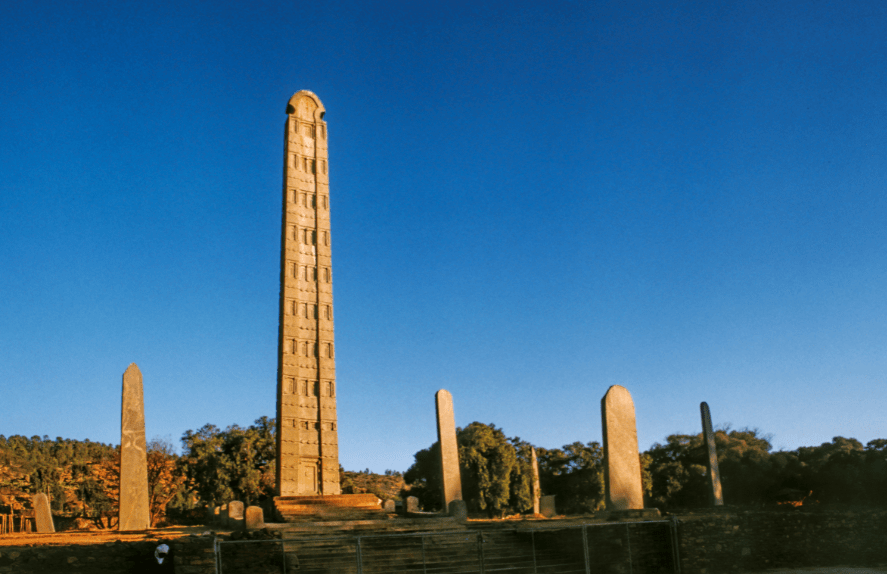
Towering carved stelae, royal tombs and the claimed Ark of the Covenant.
Axum is an ancient city in northern Ethiopia that was the capital of the Aksumite empire, a major power of the early centuries AD. This UNESCO World Heritage Site is known for its towering carved granite stelae, underground royal tombs, and the Church of St Mary of Zion, where Ethiopian tradition holds the Ark of the Covenant is kept.
Axum, also spelled Aksum, is a historic town in the Tigray region of northern Ethiopia and the heartland of one of the ancient world’s great trading powers. From roughly the first to the seventh centuries AD, the Aksumite empire controlled commerce across the Red Sea and minted its own coinage. The town today is an open-air record of that era, with fields of carved stelae, tombs and ruins, and it holds a place on the UNESCO World Heritage list. It is also one of the holiest cities in Ethiopian Orthodox Christianity.
Axum is where Ethiopia’s ancient and sacred histories meet in one compact town. The giant stelae, single blocks of granite carved to resemble multi-storey buildings and raised nearly two thousand years ago, are feats of engineering that still astonish. Add the underground tombs, the ruins linked to the Queen of Sheba, and the Church of St Mary of Zion, which Ethiopian tradition names as the resting place of the Ark of the Covenant, and Aksum becomes essential for anyone interested in early Christianity, archaeology or the roots of the Ethiopian state.
The Aksumite kingdom rose as a commercial power linking Africa, Arabia and the Mediterranean, and in the fourth century AD its king Ezana adopted Christianity, and Aksum became one of the earliest Christian states anywhere. The stelae mark royal graves from this era, the tallest ever raised having since fallen and broken. One great obelisk was taken to Italy in the 20th century and returned and re-erected in the 2000s. Tradition also ties the city to the Queen of Sheba and to Menelik, said to have brought the Ark to Aksum, weaving legend through its documented past.
Axum’s sights are spread across walkable clusters within and around the town:
Axum sits on a highland plateau and is visitable year-round, but the dry season from about October to March gives the most reliable conditions for exploring the open-air sites. The town’s major religious festivals, especially the November celebration of St Mary of Zion, draw large pilgrim crowds. The main rains fall between June and September.
| Period | What to expect |
|---|---|
| October–December | Dry and clear; comfortable for the open-air ruins. |
| November | Major St Mary of Zion pilgrimage; large crowds and atmosphere. |
| January–March | Dry season continues; warming toward March. |
| June–September | Main rains; sites still open but wetter conditions. |
Axum has its own airport, and flying from Addis Ababa is the usual way to arrive, often as one stop on a multi-city northern-circuit ticket that links the historic towns. Overland travel through the Tigray highlands is scenic but long, and it is the route that connects Aksum with Gheralta and Adigrat. Given recent regional conditions, check the current situation carefully before planning any overland leg. Confirm current Addis–Axum flights and the overland road situation close to travel.
Axum’s core sights fit comfortably into a day or a day and a half, but a second day allows a slower pace, the outlying ruins and time around the churches. Travellers combining it with Tigray’s rock churches will want extra days for the region.
| Trip type | Suggested time |
|---|---|
| Highlights only | 1 day (stelae field, churches, museum). |
| Full town visit | 2 days (add Dungur, the Bath and tombs). |
| Aksum plus Tigray | 3+ days (combined with Gheralta churches). |
Axum offers a modest spread of accommodation, from simple budget guesthouses to comfortable mid-range hotels, most within easy reach of the stelae field and churches. Yeha Hotel looks out over the northern stelae field and is the best-known address in town; Sabean Hotel, Obelisk Hotel, Yared Zema International and Armah International are the other conventional options. It is a compact town, so location is rarely a problem. Rooms can tighten around the November pilgrimage, when the city fills with visitors, so book ahead for that period and confirm current rates directly.
Bring sun protection, a hat and plenty of water for wandering the exposed archaeological sites, plus comfortable walking shoes. Modest clothing that covers shoulders and knees is important for the churches, and you may be asked to remove shoes; note that women cannot enter some of the most sacred church areas. A light layer covers cooler highland evenings, and a small daypack keeps essentials handy between sites.
Axum is a calm religious town where ordinary precautions are usually enough, but its location in Tigray means the wider security situation matters. The region has experienced serious conflict in recent years, so check your government’s current travel advisory before you travel, confirm access with a trusted operator, and be flexible with plans.
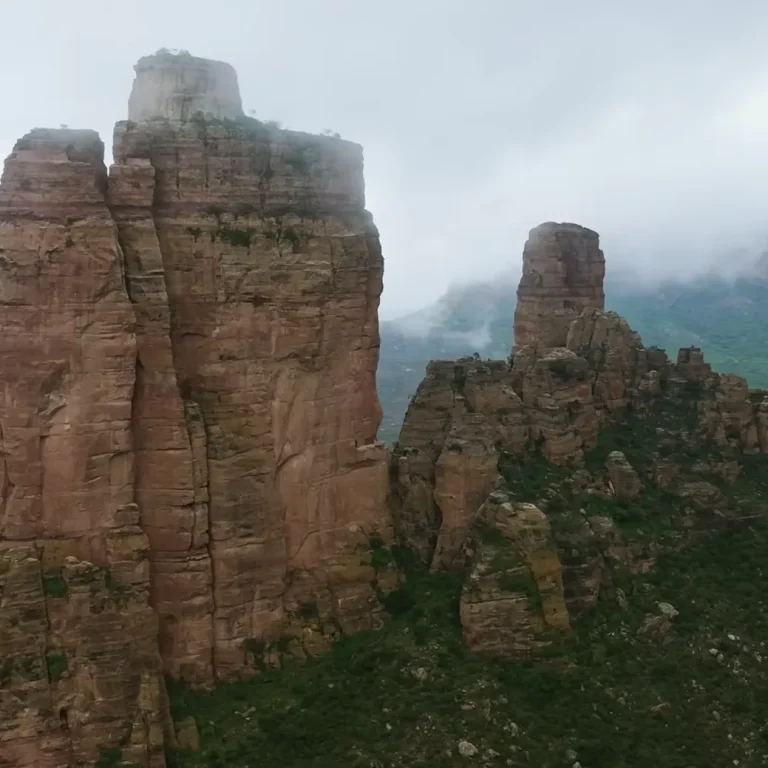
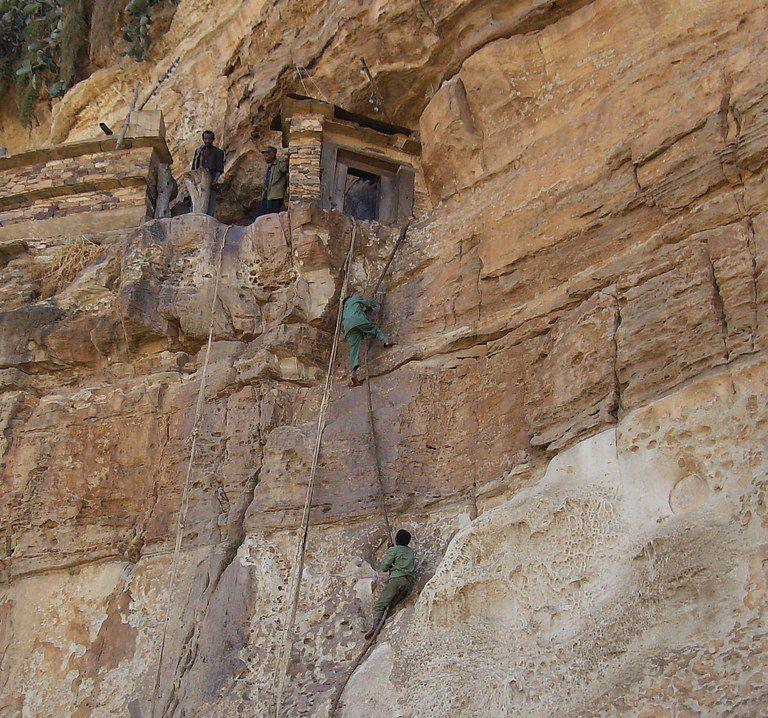
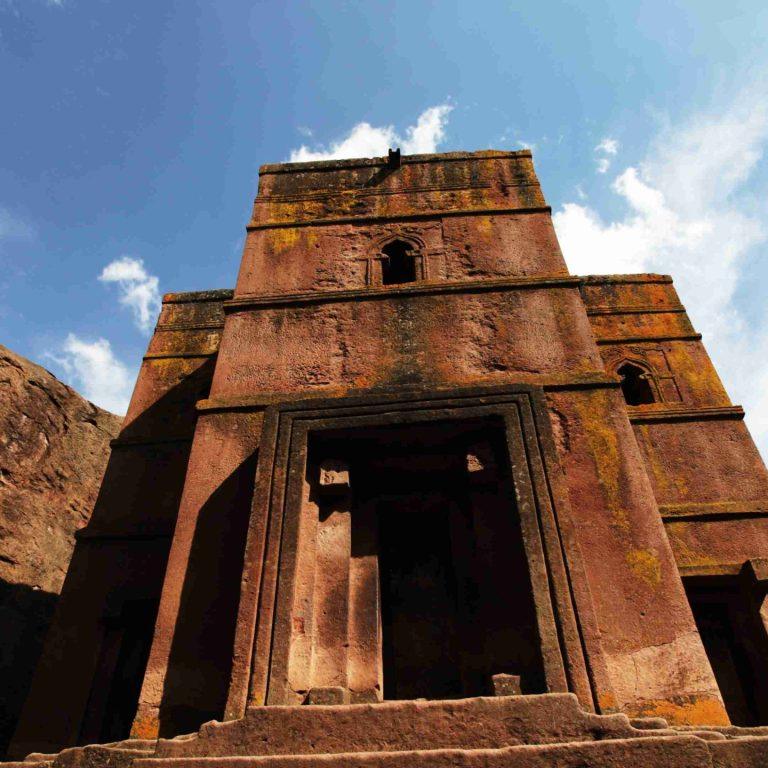
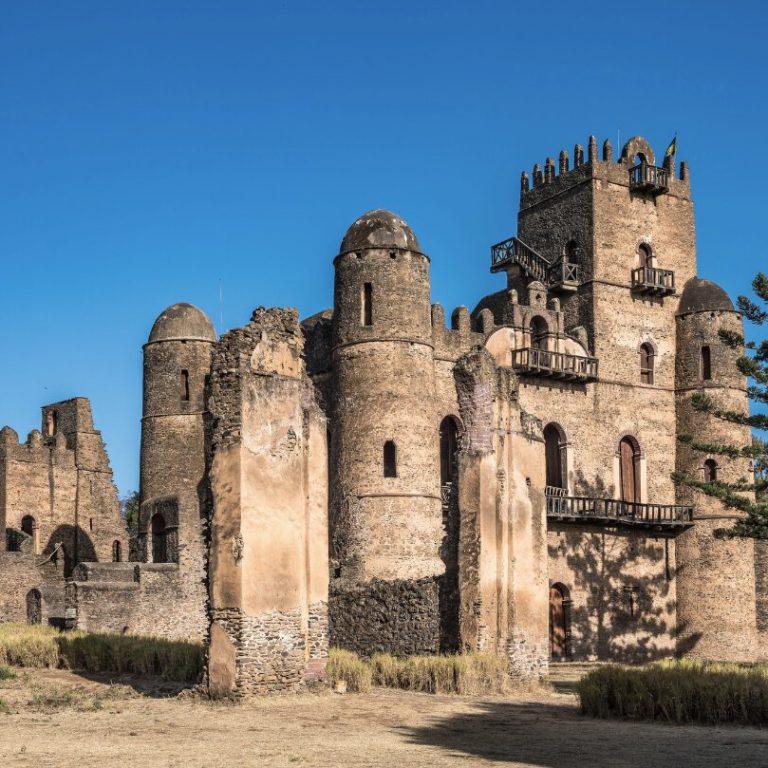
Axum works best as part of a Tigray and northern itinerary. The Gheralta cluster of cliff-top rock-hewn churches lies to the southeast and pairs naturally with a visit, as does the remote monastery of Debre Damo, reached by rope up a sheer cliff. Further afield the route links to the rock churches of Lalibela and the castles of Gondar. A typical plan combines Aksum’s stelae, the Gheralta churches, and then onward to Lalibela.
Axum, or Aksum, was the capital of the ancient Aksumite empire and is known for its giant carved granite stelae, royal tombs, and the Church of St Mary of Zion, where tradition holds the Ark of the Covenant is kept.
Ethiopian Orthodox tradition holds that the Ark of the Covenant rests in a chapel beside the Church of St Mary of Zion in Aksum. Only a single guardian monk may enter, so the claim cannot be independently verified.
They are two spellings of the same city and ancient empire. Axum is common in English, while Aksum reflects the transliteration often used in scholarly and UNESCO contexts.
The great stelae were raised roughly 1,700 to 2,000 years ago as markers over royal tombs during the height of the Aksumite empire. They are carved from single blocks of granite.
The usual way is a domestic flight from Addis Ababa to Axum, often as part of a northern-circuit ticket. Overland travel through Tigray is long; confirm flight and road conditions before planning.
The main sights fit into one full day, while two days allow a slower pace and the outlying ruins. Combining Aksum with Tigray's rock churches needs three days or more.
Axum itself is a quiet religious town, but it lies in Tigray, which has seen serious conflict in recent years. Check your government's current travel advisory and confirm access with a trusted operator before travelling.
Cliff-top rock-hewn churches and sandstone towers in Ethiopia's Tigray region.
Read More about Gheralta →Cliff-top Tigray monastery reached only by climbing a rope up sheer rock.
Read More about Debre Damo →Ethiopia's holy city of 11 medieval churches carved down into living rock.
Read More about Lalibela →A 17th-century imperial capital of stone castles, churches and Timkat crowds.
Read More about Gondar →