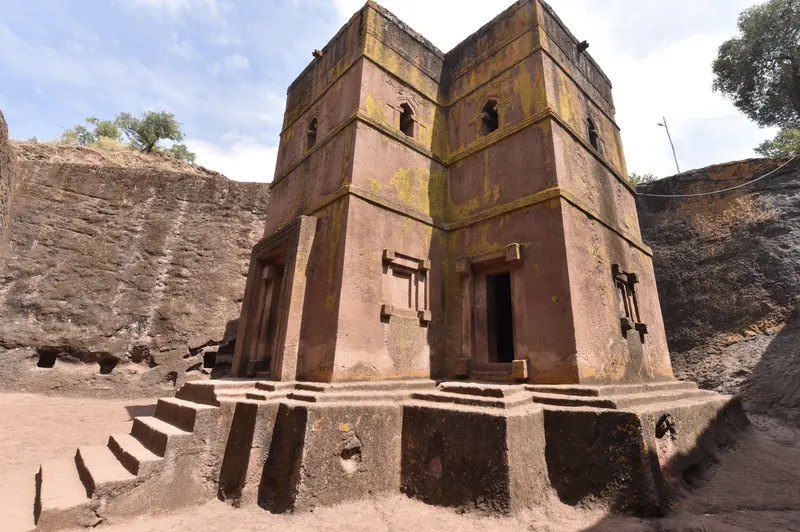
Rock-hewn Church of St George (Bete Giyorgis) in Lalibela, Ethiopia
Ethiopia travel guide

About Ethiopia: Facts, Top Destinations and Tours

Ethiopia is a country in the Horn of Africa known for the rock-hewn churches of Lalibela, the Simien and Bale Mountains, the tribes of the Omo Valley, the otherworldly Danakil Depression and the birth of coffee. Here is everything you need to know before you go, written by a local team that has guided travelers across the country for 7+ years. Ethiopia has many UNESCO World Heritage Sites.

Ethiopia at a glance

What is Ethiopia?

Ethiopia is a landlocked country in East Africa’s Horn of Africa, bordered by Eritrea, Djibouti, Somalia, Kenya, South Sudan and Sudan. It is the second most populous nation in Africa, one of the oldest countries in the world, and the only African nation never colonized (apart from a brief Italian occupation from 1936 to 1941). Its capital, Addis Ababa, is the seat of the African Union.
CapitalAddis Ababa
PopulationOver 130 million
LanguagesAmharic, Afaan Oromo, Tigrinya, Somali, Afar + 80 more
CurrencyEthiopian Birr (ETB)
Time zoneEast Africa Time, UTC+3
Calendar13 months; the year is 2019 (E.C.)
UNESCO sites12 World Heritage Sites
Main airportAddis Ababa Bole International (ADD)
Best time to visitOctober to March (dry season)
Electricity220V, plug types C, E, F and L
Why travelers come

What is Ethiopia known for?

  • Ancient history: the Aksumite Kingdom, Lucy (a 3.2 million year old human ancestor) and 12 UNESCO World Heritage Sites.
  • Rock-hewn churches: Lalibela’s 11 medieval churches carved from solid rock, still in daily use.
  • The birthplace of coffee: Arabica coffee originated in the forests of southwest Ethiopia, and the coffee ceremony is part of everyday life.
  • Dramatic landscapes: the Simien and Bale Mountains, the Great Rift Valley lakes, the Blue Nile Falls and the Danakil Depression, one of the hottest places on Earth.
  • Living cultures: more than 80 ethnic groups, including the Hamer, Mursi, Karo and Dassanech peoples of the Omo Valley.
  • Endemic wildlife: the Ethiopian wolf, gelada monkey, Walia ibex, mountain nyala and over 860 bird species.
  • Unique traditions: its own 13 month calendar, its own script (Ge’ez), and colorful festivals such as Timket, Meskel and Irreecha.
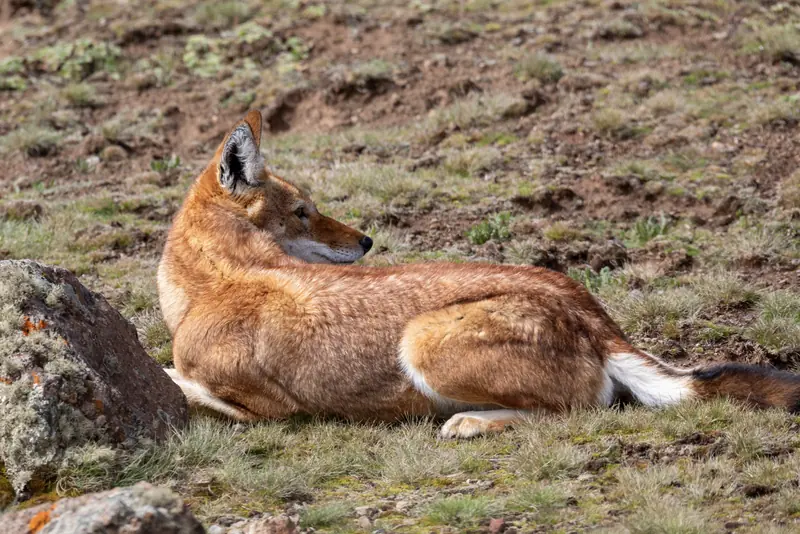
Endangered Ethiopian wolf resting on the Sanetti Plateau, Bale Mountains National Park
Ethiopian wolf, Bale Mountains
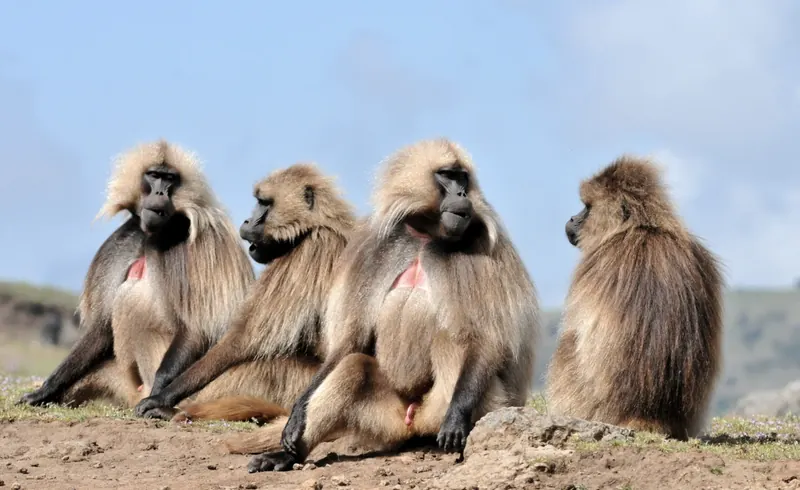
Group of gelada monkeys in the Simien Mountains National Park, Ethiopia
Gelada monkeys, Simien Mountains
Where to go

Top places to visit in Ethiopia

Most first time visitors combine the Historic Route in the north with either the Omo Valley in the south or the Danakil Depression in the east. Here are the destinations we are asked about most.

Bete Giyorgis, the rock-hewn Church of St George in Lalibela
History · UNESCO

Lalibela

Eleven monolithic churches carved downward into volcanic rock in the 12th and 13th centuries, often called the “New Jerusalem”. Spend at least two days, and visit during Genna or Timket for an unforgettable experience.

Lalibela travel guide
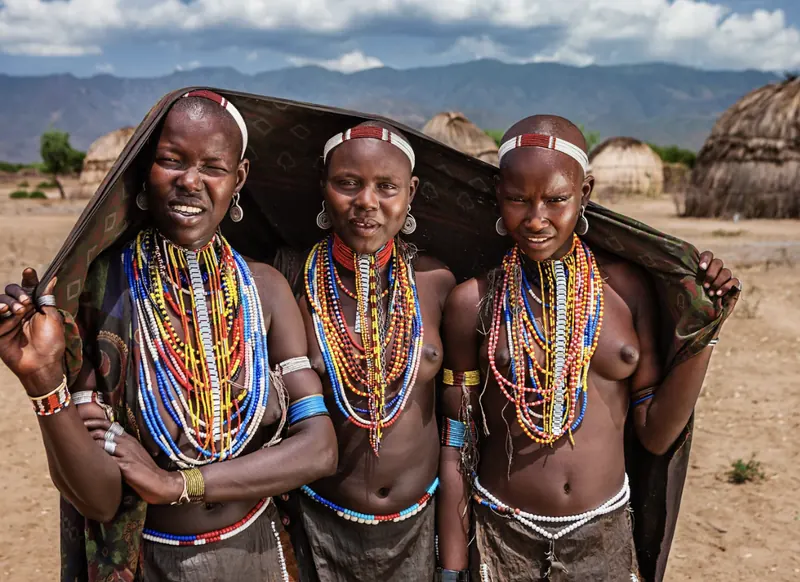
Women of the Omo Valley wearing traditional beaded necklaces
Culture · Tribes

Omo Valley

Home to the Hamer, Karo, Mursi, Dassanech and other peoples who keep ancient traditions alive. Visit weekly markets in Turmi, Key Afer and Dimeka and, with luck, a Hamer bull jumping ceremony.

Omo Valley tribes tour
Gelada monkeys in the Simien Mountains National Park
Trekking · UNESCO

Simien Mountains

Jagged peaks, deep gorges and herds of gelada monkeys. Treks run from one day to more than a week, reaching Ras Dashen (4,550 m), Ethiopia’s highest mountain.

Simien Mountains guide
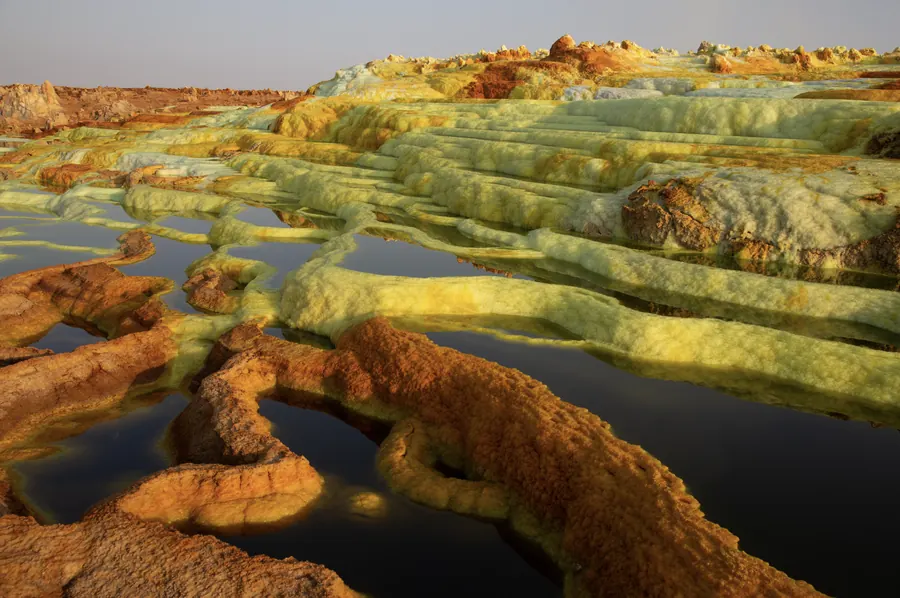
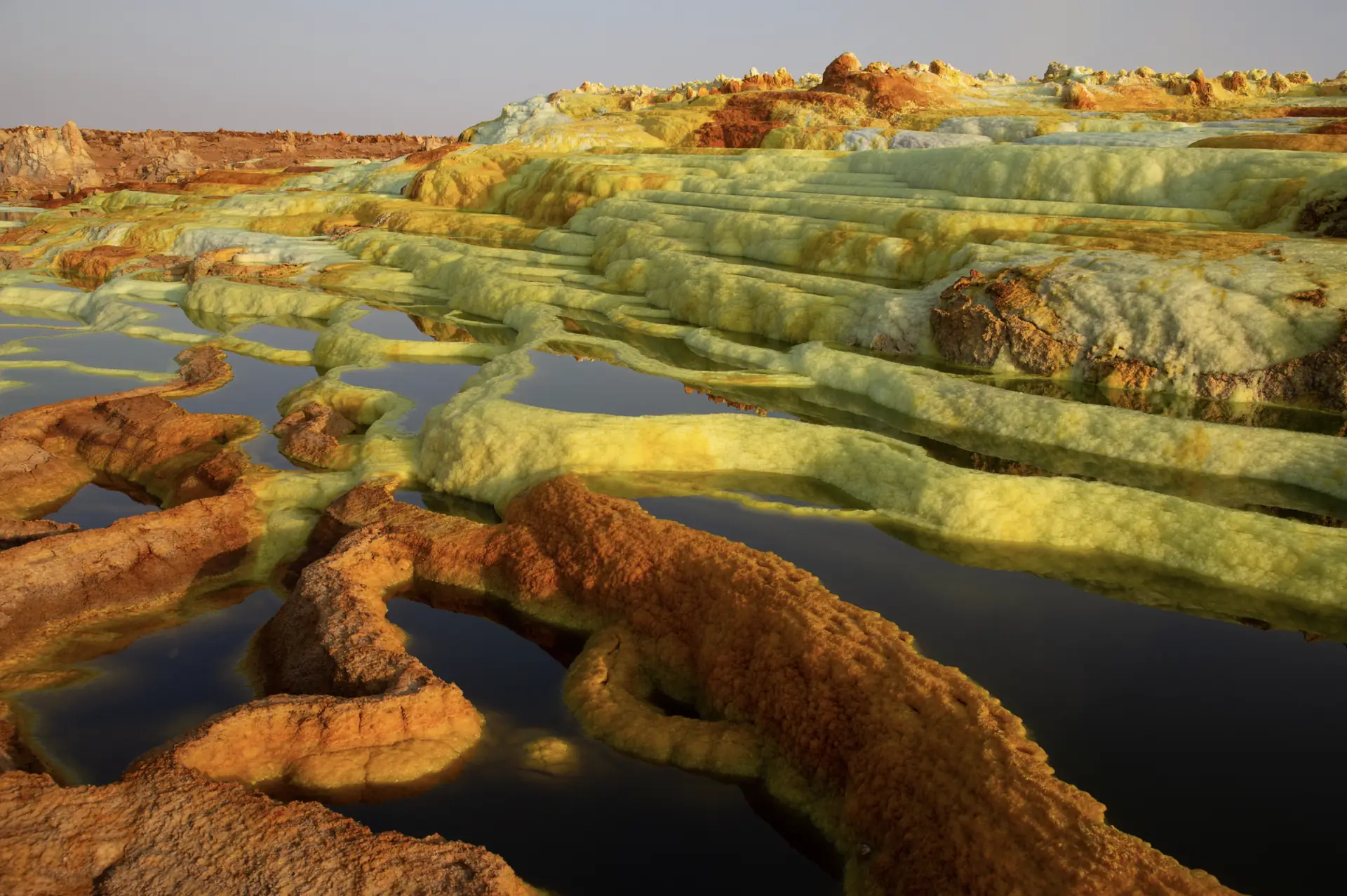
Colorful sulfur terraces and acid pools at Dallol, Danakil Depression
Adventure

Danakil Depression

Neon sulfur springs at Dallol, the Afar salt caravans of Lake Asale and, when conditions allow, the lava lake of Erta Ale. Usually explored on a 3 day 4×4 expedition that starts with a flight to Semera and ends in Mekele.

Danakil Depression tour
Ethiopian wolf in Bale Mountains National Park
Wildlife · UNESCO

Bale Mountains

The best place on Earth to see the endangered Ethiopian wolf, on the high Sanetti Plateau. Add the Harenna Forest, mountain nyala and the Sof Omar caves.

Bale Mountains guide
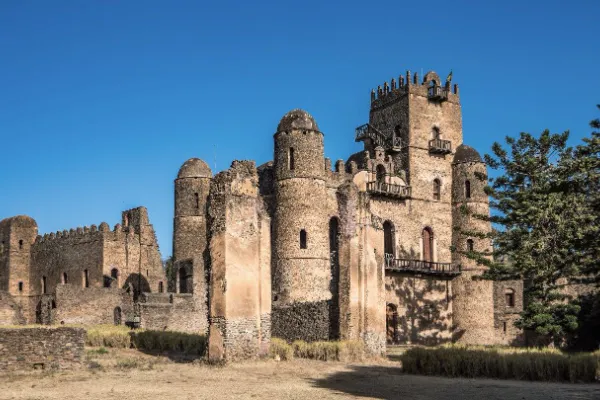
Fasil Ghebbi royal castle in Gondar, Ethiopia
History · UNESCO

Gondar

The 17th century royal enclosure of Fasil Ghebbi, Fasilides’ Bath and the painted ceiling of Debre Birhan Selassie church. Gondar is also the gateway to the Simien Mountains.

Gondar guide
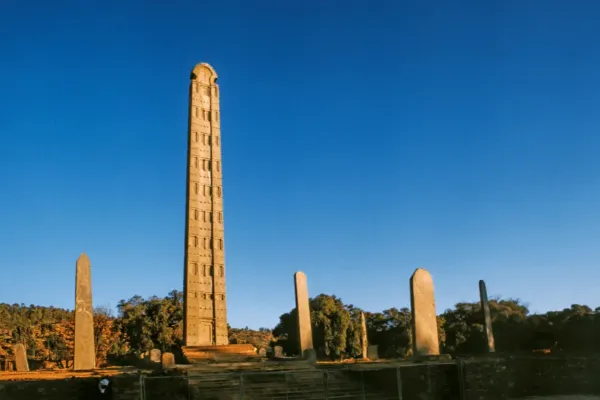
Ancient stelae field in Axum, Ethiopia
History · UNESCO

Axum

Capital of one of the great empires of the ancient world, with giant granite stelae, royal tombs and the Church of St Mary of Zion, said to hold the Ark of the Covenant.

Axum guide
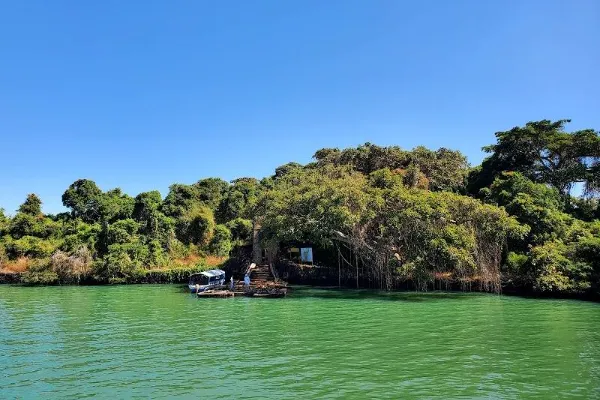
Lake Tana shoreline near Bahir Dar, Ethiopia
Nature · Monasteries

Bahir Dar and Lake Tana

Boat trips to centuries-old island monasteries on Ethiopia’s largest lake, the source of the Blue Nile, plus a short hike to the Blue Nile Falls.

Lake Tana guide
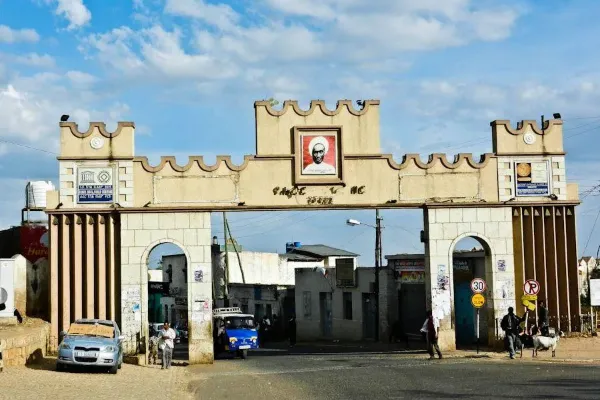
Historic gate of Harar Jugol walled city, Ethiopia
Culture · UNESCO

Harar

A walled city with 82 mosques and 368 alleyways, colorful markets and the famous hyena feeding at night. Easily combined with Dire Dawa, about 55 km away.

Harar and Dire Dawa tour
Travel with locals

Ethiopia tours by Drive Ethiopia

Every trip is private and tailor made, with an experienced English speaking driver guide, a well maintained 4×4 and support from our team in Addis Ababa from your first message to your flight home.

Historic Route tours

Axum, Lalibela, Gondar and Lake Tana by road or domestic flights. Ideal in 7 to 12 days.

Historic tours

Omo Valley tribal tours

Rift Valley lakes, Arba Minch, Konso and the tribes of the Lower Omo. Ideal in 8 to 12 days.

Omo Valley tours

Danakil Depression expeditions

Dallol, Lake Asale salt flats and Afar culture on a fully supported 3 day 4×4 trip from Semera to Mekele.

Danakil tours

Nature, trekking and wildlife

Simien and Bale Mountains treks, Awash and Nechisar national parks, and birding with endemic species.

Nature tours

Coffee tours

Visit farms and washing stations in Sidama, Yirgacheffe and Kaffa, and join a traditional coffee ceremony.

Coffee tours

Festival tours

Timket, Genna, Meskel, Fasika and Irreecha, timed to the Ethiopian calendar with the best viewing spots.

Festival tours

Day trips from Addis Ababa

Addis city tour, Debre Libanos, Wenchi Crater Lake and Bishoftu crater lakes. Great for layovers.

Addis Ababa city tour

Great Rift Valley tours

Lakes Ziway, Langano, Abijatta-Shalla and Hawassa, with hot springs, flamingos and fish markets.

Rift Valley tour
Plan your trip

How many days do you need in Ethiopia?

Ethiopia is big and roads through the highlands are slow, so plan for at least 7 days, and ideally 12 to 16 days to combine north and south. Domestic flights on Ethiopian Airlines can save a lot of time on the Historic Route.

Trip lengthSuggested routeBest for
1 to 2 daysAddis Ababa city tour, Entoto, National Museum (Lucy), Merkato, coffee ceremony; or a day trip to Debre Libanos or WenchiLayovers and business travelers
3 daysDanakil Depression: Erta Ale, Dallol, Lake Asale, Afar villagesAdventure seekers
7 to 8 daysHistoric Route: Bahir Dar, Gondar, Simien Mountains, Lalibela (with domestic flights)First time visitors
10 to 12 daysSouthern Ethiopia: Rift Valley lakes, Arba Minch, Konso, Jinka, Turmi and the Omo ValleyCulture and photography
14 to 21 daysGrand tour: Historic Route plus Omo Valley, or add Bale Mountains or DanakilThe full Ethiopia experience
Colorful sulfur terraces and acid pools at Dallol, Danakil Depression, Ethiopia
Off the beaten track

See landscapes you won’t find anywhere else on Earth

From the neon sulfur springs of Dallol to the cloud forests of Bale, our driver guides take you safely to Ethiopia’s most remarkable places, with the right vehicle, permits and local knowledge.

Weather and seasons

Best time to visit Ethiopia

The best time to visit Ethiopia is the dry season from October to March, when skies are clear, roads are good and the major festivals take place. The main rains (Kiremt) fall from June to September in the highlands, when the landscape turns green and prices are lower.

RegionBest monthsGood to know
Historic North (Lalibela, Gondar, Axum)October to MarchMeskel (September), Genna (7 January), Timket (19 or 20 January)
Simien and Bale MountainsOctober to FebruaryClearest views; nights can drop below freezing at altitude
Omo ValleyJune to March, avoiding the short rainsApril and May rains can make dirt roads difficult
Danakil DepressionNovember to FebruaryDay temperatures often reach 45°C or more from May to September
Addis AbabaAll yearMild climate at 2,355 m; afternoon showers in the rainy season
Ethiopian woman harvesting ripe red coffee cherries on a coffee farm in southern Ethiopia
Coffee harvest, southern Ethiopia
Culture, food and festivals

Ethiopian culture in a nutshell

Coffee ceremony: green beans are roasted over charcoal, ground by hand and brewed in a clay jebena, served in three rounds called abol, tona and baraka. Being invited to one is a sign of welcome.

Food: meals are shared from one large plate of injera, a spongy flatbread made from teff, topped with stews (wot) such as doro wot. Wednesdays and Fridays are fasting days for Orthodox Christians, so vegan dishes like shiro and beyaynetu are easy to find.

Faith: Ethiopia is one of the world’s oldest Christian nations and also home to one of Islam’s earliest communities, with churches and mosques often side by side.

Calendar and time: the Ethiopian calendar has 12 months of 30 days plus a 13th month of 5 or 6 days, and runs about 7 to 8 years behind the Gregorian calendar. New Year (Enkutatash) falls on 11 September (12 September before a leap year). Locals also count hours from sunrise, so 7 am is “1 o’clock”.

More Ethiopia travel tips
Getting around

Car rental in Ethiopia

Prefer to travel at your own pace? Drive Ethiopia also offers well maintained Toyota Land Cruisers, SUVs, minibuses and sedans for travelers, NGOs, diaspora visitors and business clients, with fair, transparent pricing.
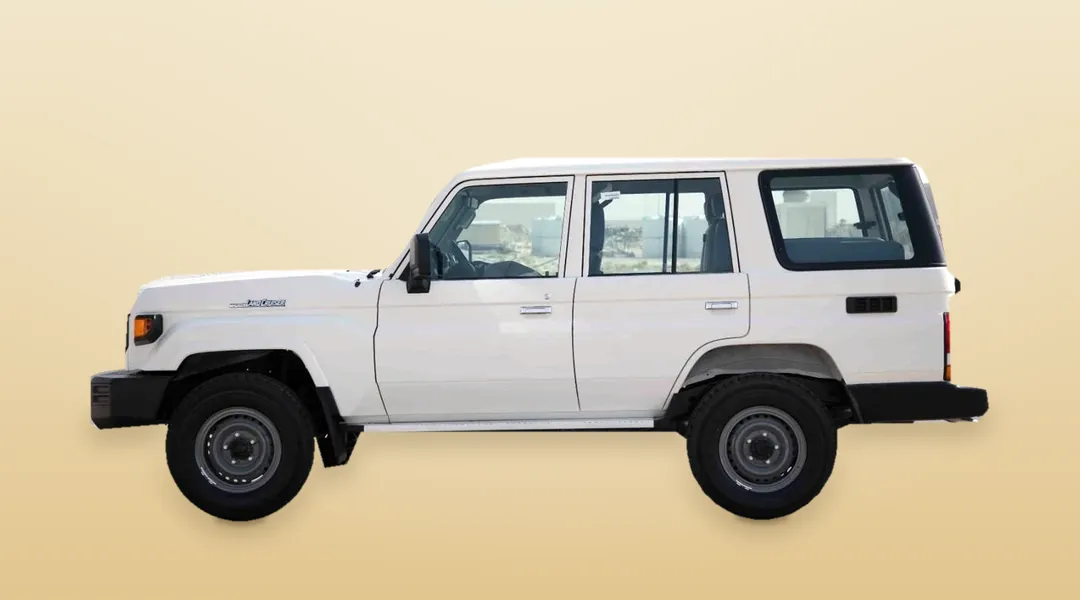
4x4 Toyota Land Cruiser hardtop for hire in Ethiopia
Before you travel

Ethiopia travel essentials

Visa

Most nationalities need a visa. Apply for the official eVisa at evisa.gov.et before you fly; approval usually takes about 3 working days. Tourist eVisas are issued for 30 or 90 days.

Money

The currency is the Ethiopian Birr. Carry some US dollars or euros in clean, recent notes. Cards work in large hotels in Addis Ababa, but cash is needed in rural areas.

Health

See a travel clinic 6 to 8 weeks before departure about routine vaccines, yellow fever and malaria tablets for lowland areas such as the Omo Valley and Danakil.

Altitude

Addis Ababa sits at 2,355 m and Lalibela at about 2,500 m. Take it easy on the first day and drink plenty of water.

Connectivity

Buy a local Ethio Telecom or Safaricom SIM at the airport with your passport. 4G covers most towns.

Etiquette

Dress modestly at churches and mosques, remove shoes where asked, and always ask before photographing people, especially in the Omo Valley.

Local and responsible

Why travel with Drive Ethiopia?

  • Local experts based in Addis Ababa with more than 7 years of experience in tours, ticketing and visa support.
  • Private, tailor made itineraries built around your dates, interests and budget.
  • Our own reliable vehicles and professional driver guides who know the roads, the history and the people.
  • Live safety monitoring: we track regional conditions daily and adjust routes or switch to domestic flights when needed.
  • Responsible travel: we use local guides, community lodges and family run businesses. Our sustainable tourism approach.
About Drive Ethiopia
Women of the Omo Valley wearing traditional beaded necklaces, southern Ethiopia
Omo Valley, southern Ethiopia
FAQ

Frequently asked questions about Ethiopia

About Ethiopia

What is Ethiopia known for?
Ethiopia is known for being the birthplace of coffee, the rock-hewn churches of Lalibela, the ancient kingdom of Aksum, the fossil “Lucy”, its own 13 month calendar, the Simien and Bale Mountains, the Omo Valley tribes, the Danakil Depression, Ethiopian Airlines and world class long distance runners. It is also the only African country never colonized.
Where is Ethiopia located?
Ethiopia is in the Horn of Africa in East Africa. It is landlocked and borders Eritrea, Djibouti, Somalia, Kenya, South Sudan and Sudan.
What is the capital of Ethiopia?
Addis Ababa, meaning “new flower” in Amharic. At about 2,355 m it is one of the highest capitals in the world and hosts the African Union headquarters.
What language is spoken in Ethiopia?
Amharic is the working language of the federal government. Afaan Oromo, Tigrinya, Somali and Afar are also official at regional level, and more than 80 languages are spoken in total. English is widely used in tourism, business and higher education.
How many UNESCO World Heritage Sites does Ethiopia have?
Ethiopia has 12 UNESCO World Heritage Sites: Simien Mountains National Park, the Rock-Hewn Churches of Lalibela, Fasil Ghebbi in Gondar, Aksum, the Lower Valley of the Awash, the Lower Valley of the Omo, Tiya, Harar Jugol, the Konso Cultural Landscape, Bale Mountains National Park, the Gedeo Cultural Landscape, and Melka Kunture and Balchit, added in 2025.
How does the Ethiopian calendar work, and what year is it in Ethiopia?
The Ethiopian calendar has 13 months: 12 months of 30 days and a short 13th month called Pagume of 5 or 6 days. It is about 7 to 8 years behind the Gregorian calendar, so the current Ethiopian year is 2019, which began on 11 September 2026. The year starts with Enkutatash, the Ethiopian New Year, in the month of Meskerem.
Is the Ark of the Covenant in Ethiopia?
According to Ethiopian Orthodox tradition, the Ark of the Covenant is kept in the Chapel of the Tablet at the Church of St Mary of Zion in Axum. Only one guardian monk is allowed to see it, so visitors can view the chapel but not the Ark itself.

Planning an Ethiopia tour

What is the best time to visit Ethiopia?
October to March is the best time, with dry weather, green landscapes right after the rains, and festivals such as Meskel, Genna and Timket. June to September is the main rainy season in the highlands, though it is quieter and cheaper. For the Danakil Depression, November to February is the most comfortable.
How many days should I spend in Ethiopia?
Plan at least 7 to 8 days for the northern Historic Route, 10 to 12 days for the south and Omo Valley, and 14 to 21 days to see both. A 1 or 2 day stay in Addis Ababa is enough for the city highlights.
What are the best things to do in Ethiopia?
Explore the churches of Lalibela, trek in the Simien Mountains, see the Ethiopian wolf in the Bale Mountains, meet the tribes of the Omo Valley, walk among the sulfur springs of Dallol in the Danakil Depression, visit the castles of Gondar and monasteries of Lake Tana, explore Harar’s old town, join a coffee ceremony, and time your trip with a festival like Timket or Meskel.
Is Ethiopia safe for tourists?
Most travelers visit Ethiopia without problems, and Ethiopians are known for their hospitality. Security varies by region, and some areas have experienced unrest in recent years, so check your government’s travel advice and travel with a local operator that follows conditions closely. Drive Ethiopia monitors the situation daily and reroutes or uses domestic flights when a road is not advised.
Is Arba Minch safe to visit?
Arba Minch, the gateway to Nechisar National Park, Lakes Abaya and Chamo, Dorze and the Omo Valley, is a popular and generally calm stop on southern tours. As with anywhere, we check current conditions before every departure.
Do I need a guide to visit the Omo Valley or Danakil Depression?
Yes, in practice. Omo Valley villages require local community guides, and Danakil trips are run with local Afar guides, permits and escorts, plus 4×4 vehicles and camping support. A licensed tour operator arranges all of this for you.
Where can I sleep near the Danakil Depression?
Most Danakil tours camp in simple Afar villages such as Hamed Ela, sleeping on traditional beds under the stars, with basic facilities. After the trip, travelers can stay in a hotel in Mekele or fly back to Addis Ababa the same evening.
Where do Ethiopian wolves live?
Ethiopian wolves live only in the Ethiopian highlands above about 3,000 m. The largest population is on the Sanetti Plateau in the Bale Mountains, with smaller groups in the Simien Mountains and a few other highland areas. Fewer than 500 remain, making it Africa’s most endangered carnivore.
What can I do on a layover in Addis Ababa?
With 6 hours or more and a valid visa, you can do a half day Addis Ababa city tour: Entoto Hill, the National Museum to see Lucy, Holy Trinity Cathedral, Unity Park, Merkato and a coffee ceremony. We offer airport pick up and drop off timed to your connection.

Visas and entry

Do I need a visa to visit Ethiopia?
Most nationalities need a visa. The easiest option is the official Ethiopian eVisa at evisa.gov.et, available for 30 or 90 days. Fees depend on the visa type and length, so always check the official site for the latest amount, and avoid unofficial agents who charge extra.
How long does the Ethiopian eVisa take?
Processing usually takes about 3 working days, but apply at least one to two weeks before travel to be safe. You will receive the approval by email; print it or keep a copy on your phone.
Do I need a transit visa for Addis Ababa?
No visa is needed if you stay in the transit area of Bole International Airport. If you want to leave the airport during a layover, for a city tour or a transit hotel outside the airport, you need a valid visa, such as a transit or tourist eVisa. Ethiopian Airlines passengers can check transit options with the airline.
Can I extend my Ethiopian visa?
Tourist visas can usually be extended at the Immigration and Citizenship Service office in Addis Ababa before they expire. Fees and requirements change, so ask our team for current guidance.

Car rental and getting around

How do I book a car with a driver in Ethiopia?
Send us your dates, route and number of passengers through our contact form, email or WhatsApp (+251 988 111 222). We reply with a vehicle recommendation and a clear all inclusive quote. Once you confirm, your driver meets you at the airport or your hotel.
Can I rent a car without a driver in Ethiopia?
Yes. Drive Ethiopia offers self-drive rental. You need a valid national driving license and an International Driving Permit, your passport and a deposit. For long distance or rural routes we recommend a car with a driver, as road conditions, livestock and signage can be challenging for visitors.
How much does it cost to rent a car with a driver in Ethiopia?
The price depends on the vehicle type (sedan, SUV, 4×4 Land Cruiser or minibus), the number of days, the route and whether fuel and the driver’s allowance are included. Contact us for a free, transparent quote with no hidden fees.
Is it safe to drive in Ethiopia?
Driving in Ethiopia requires care: roads are shared with pedestrians and livestock, and night driving outside cities is not recommended. Main highways are paved, but many tourist areas need a 4×4. Most visitors prefer an experienced local driver, which also means a guide who knows the culture and language.
How far in advance should I book a car or chauffeur in Ethiopia?
Book at least 2 to 4 weeks ahead, and 1 to 3 months ahead for peak periods such as Meskel, Genna, Timket and the October to January season, when 4×4 vehicles sell out quickly.
Do you offer airport transfers in Addis Ababa?
Yes. We offer 24/7 airport transfers from Addis Ababa Bole International Airport to any hotel in the city, and long distance transfers to other towns, with flight tracking so your driver is waiting even if your flight is delayed.
How far is Bale Mountains National Park from Addis Ababa?
The park headquarters at Dinsho is about 400 km from Addis Ababa, roughly 7 to 8 hours by road via Adama and Asella. Most travelers break the trip with a stop at the Rift Valley lakes.
How far is Wenchi Crater Lake from Addis Ababa?
Wenchi Crater Lake is about 155 km west of Addis Ababa, around 3 hours by car, which makes it a popular day trip or overnight escape.
How far is Harar from Dire Dawa?
Harar is about 55 km from Dire Dawa, around one hour by road. Most visitors fly from Addis Ababa to Dire Dawa and continue to Harar by car.

Ready to discover Ethiopia?

Tell us your dates and interests and our team in Addis Ababa will design your private Ethiopia tour within 24 hours.

Get a Quote WhatsApp