---------------------------------
Address
Phone: +251 988 111 222
Need help or have a question?
Contact us at: info@driveethiopia.com
Addis Ababa, Ethiopia
---------------------------------
Address
Phone: +251 988 111 222
Need help or have a question?
Contact us at: info@driveethiopia.com
Addis Ababa, Ethiopia


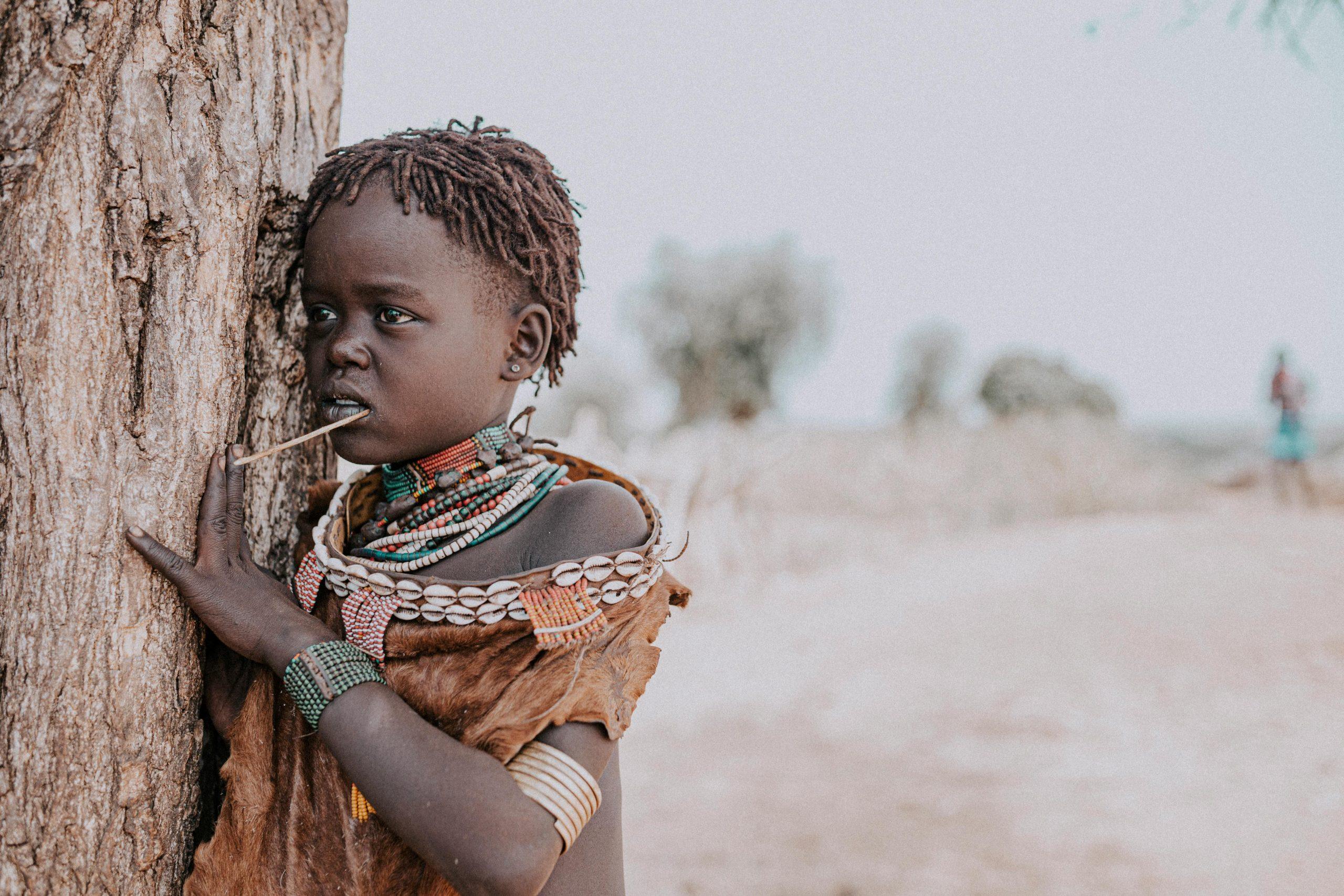
The Omo Valley is one of Africa’s most extraordinary destinations. Located in southwestern Ethiopia, this remote region is home to more than sixteen indigenous communities, each with its own language, traditions, clothing, ceremonies, and way of life.
For many visitors, the Omo Valley becomes the highlight of their Ethiopian journey. It is a place where culture is not displayed in museums but lived every day. Visiting the Omo Valley is not simply about taking photographs. It is about learning from communities that have preserved their identities for generations while adapting to a changing world.
As a local Ethiopian tour operator, we have had the privilege of guiding travelers through this remarkable region for many years. Here is what every visitor should know before planning a trip.
 The Omo Valley stretches across southwestern Ethiopia along the Omo River toward the Kenyan border. The region is about 750 kilometers from Addis Ababa and is usually explored over five to seven days.
The journey is part of the experience. As you travel south, the scenery changes from the cool Ethiopian highlands to wide open plains dotted with acacia trees. Along the way, you pass small towns, colorful markets, and villages.
The greatest attraction of the Omo Valley is its people. More than sixteen ethnic communities call this region home, each preserving traditions that have been passed down through generations.
The Hamar are among the best known communities in the valley. They are recognized for their elaborate hairstyles, beautiful beadwork, and vibrant cultural ceremonies. Visitors may have the opportunity to witness the famous Bull Jumping Ceremony, an important rite of passage for young men entering adulthood.
The Mursi are known around the world for the clay lip plates worn by many women. While this tradition attracts international attention, visitors quickly discover a rich pastoral culture shaped by strong family ties and deep respect for tradition.
The Karo are admired for their artistic body painting created with natural pigments. Their villages overlook the Omo River and provide some of the most scenic views in southern Ethiopia.
Living near Lake Turkana, the Dassanech have adapted to one of the country’s most challenging environments. Their resilience and resourcefulness are reflected in every aspect of daily life.
The Nyangatom maintain a rich pastoral tradition and are known for their colorful ornaments and welcoming hospitality. Visiting their villages offers another perspective on the remarkable diversity of the Omo Valley.
Although the indigenous communities are the main reason many people visit, the Omo Valley offers much more than cultural encounters.
Weekly markets bring together different communities to trade livestock, grains, spices, honey, handmade crafts, and household goods. These lively gatherings provide one of the best opportunities to observe everyday life and interact with local people.
Nature also plays an important role in the experience. Rolling plains, rivers, forests, and dramatic landscapes create a beautiful backdrop throughout the journey.
The Omo Valley can be visited throughout the year. However, the dry months from October to February and from June to August usually offer the most comfortable travel conditions. Roads are easier to navigate, and outdoor activities are more enjoyable.
A visit to the Omo Valley is most rewarding when approached with curiosity and respect.
Always ask permission before taking photographs, dress modestly, and remember that you are visiting communities where people live their daily lives. Responsible tourism helps preserve local traditions while creating meaningful opportunities for local families.
Traveling with knowledgeable local guides also ensures that your visit benefits the communities you meet and provides a deeper understanding of their culture and history.
To fully appreciate the region, we recommend spending at least five to seven days in the Omo Valley. This allows enough time to visit several communities, experience local markets, and enjoy the landscapes without rushing from one destination to another.
The Omo Valley is one of Ethiopia’s most rewarding destinations, but it requires thoughtful planning. Road conditions, market days, cultural etiquette, and community visits are best managed by guides who know the region well and have established relationships with local communities.
Choosing a local Ethiopian tour operator also means your travel directly supports local employment, businesses, and community based tourism initiatives.
The Omo Valley is more than a destination. It is one of the last places where visitors can experience an extraordinary diversity of living cultures within a single journey.
Every village has its own story. Every market introduces new traditions. Every encounter offers a deeper appreciation of Ethiopia’s rich cultural heritage.
If you are looking for an experience that goes beyond sightseeing, the Omo Valley will leave you with memories and perspectives that last a lifetime. Tours like Off-beaten Omo Valley Tribes give you an authentic glimpse into the region’s cultures, traditions, and way of life.
