---------------------------------
Address
Phone: +251 988 111 222
Need help or have a question?
Contact us at: info@driveethiopia.com
Addis Ababa, Ethiopia
---------------------------------
Address
Phone: +251 988 111 222
Need help or have a question?
Contact us at: info@driveethiopia.com
Addis Ababa, Ethiopia


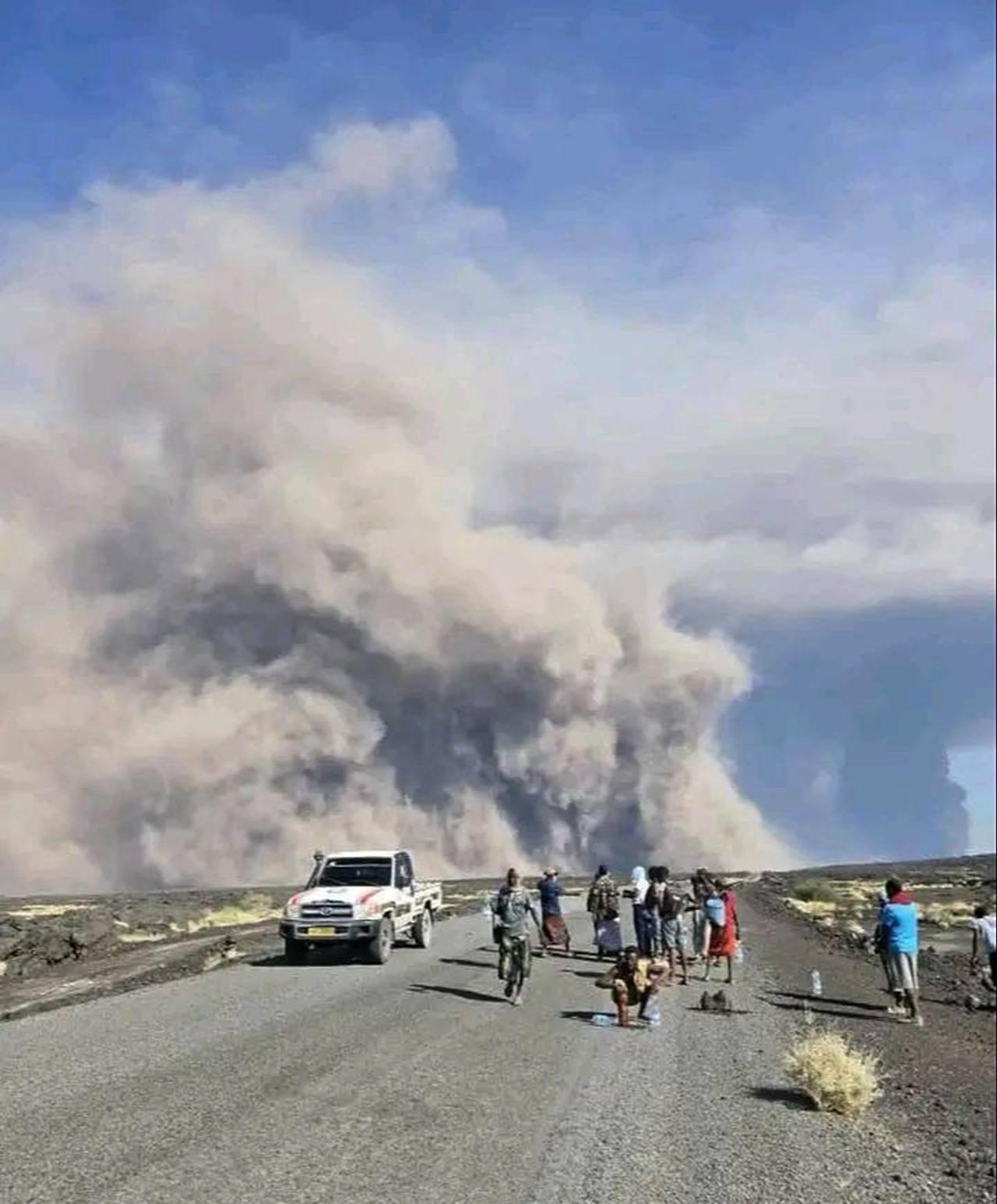
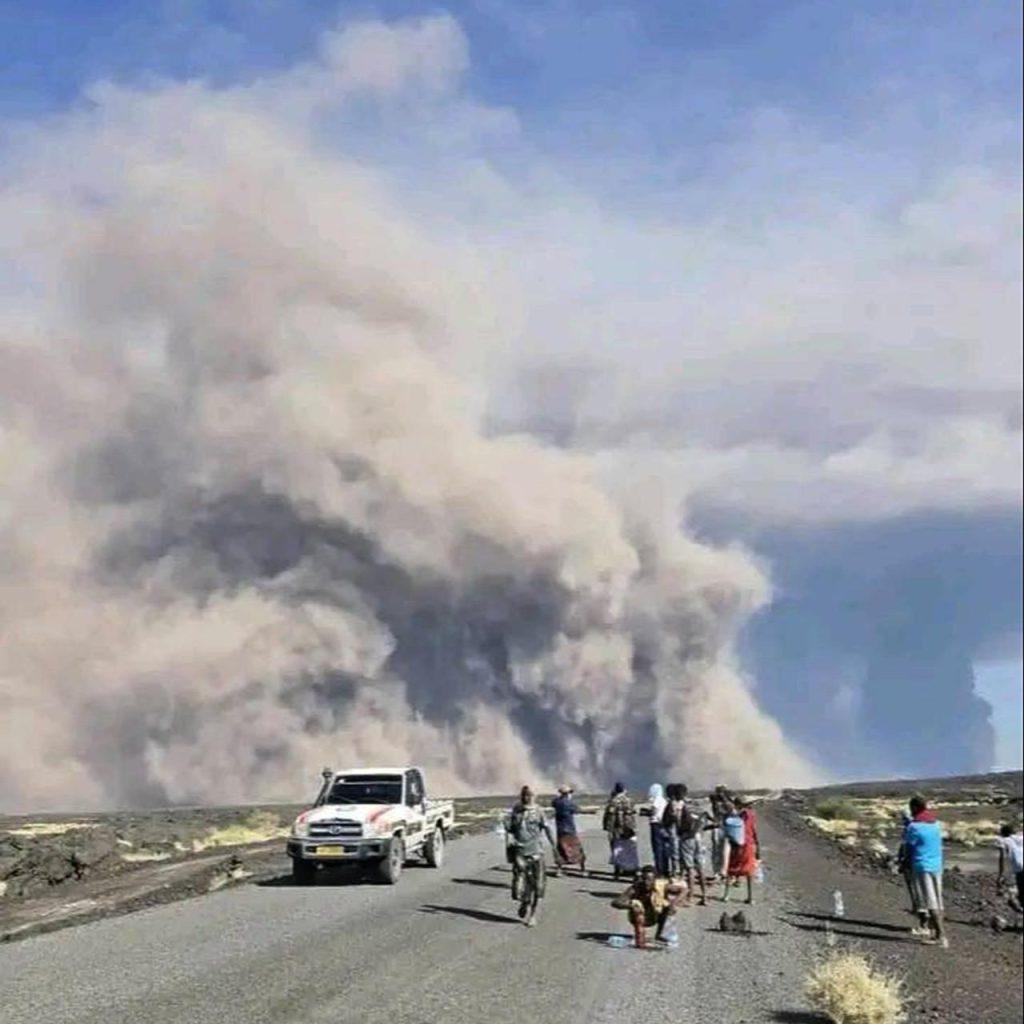
Ethiopia has gained global attention after the long-silent Hayli Gubbi volcano unexpectedly erupted on Sunday, releasing a towering ash cloud nearly nine miles high. This rare geological event is especially remarkable because the volcano has shown no major activity for more than 12,000 years, making the eruption a significant moment for scientists and travelers interested in Ethiopia’s volcanic landscapes.
Located in the remote, arid northeast of the country, Hayli Gubbi sits within the world-famous East African Rift Valley — one of the planet’s most active geological regions. This is the same rift system that hosts iconic attractions such as Erta Ale, the Danakil Depression, and Dallol, making it a prime destination for adventure and nature lovers exploring Ethiopia.
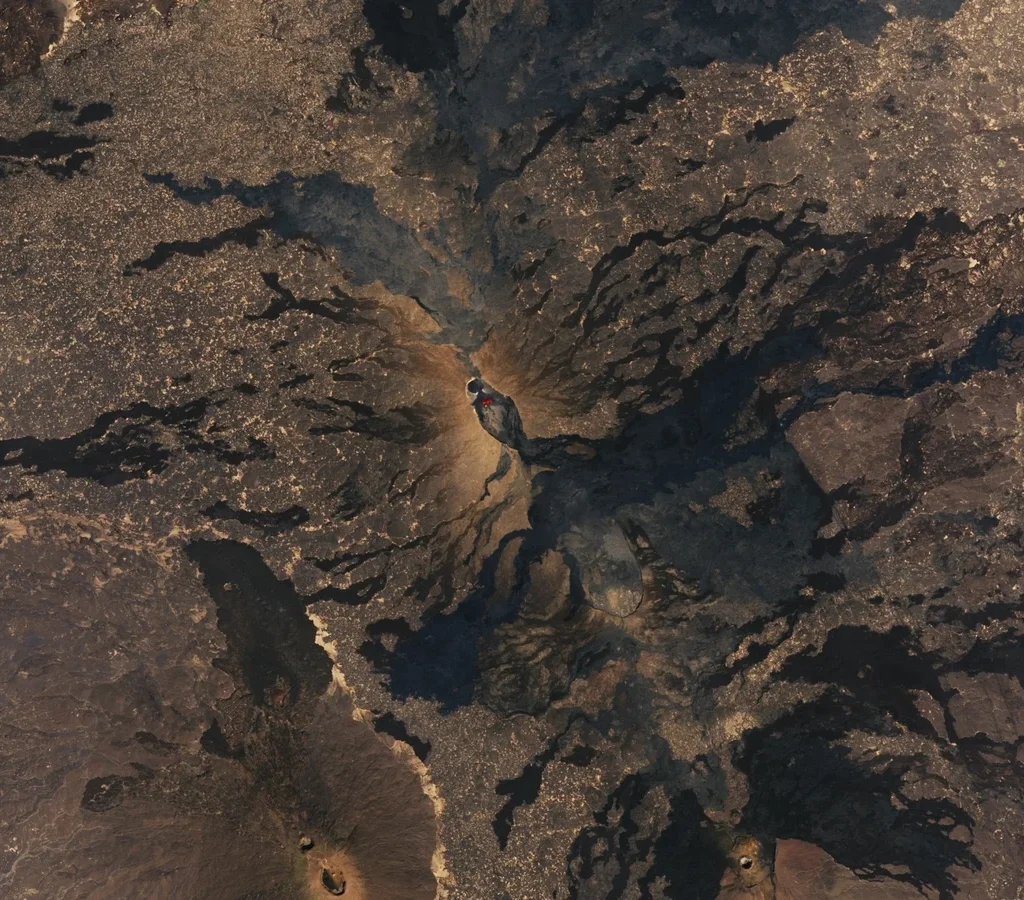
Although Hayli Gubbi is far from major towns and poses minimal risk to people, its eruption highlights the incredible geological activity shaping Ethiopia. The East African Rift is slowly pulling the African and Arabian tectonic plates apart at around half an inch per year. Over millions of years, this process is expected to form a new ocean — an astonishing phenomenon visible only in places like Ethiopia.
For travelers, this event is a reminder of the unique natural forces that have shaped breathtaking destinations such as the Danakil Depression, often described as one of the hottest and most otherworldly places on Earth.
Scientists had suspected that volcanic activity might return to Hayli Gubbi. Earlier in July, nearby Erta Ale volcano produced significant ash emissions, and satellite images later revealed underground magma movement stretching more than 18 miles beneath the surface — directly beneath Hayli Gubbi. Signs such as slight ground uplift and unusual cloud activity were noted in recent years.
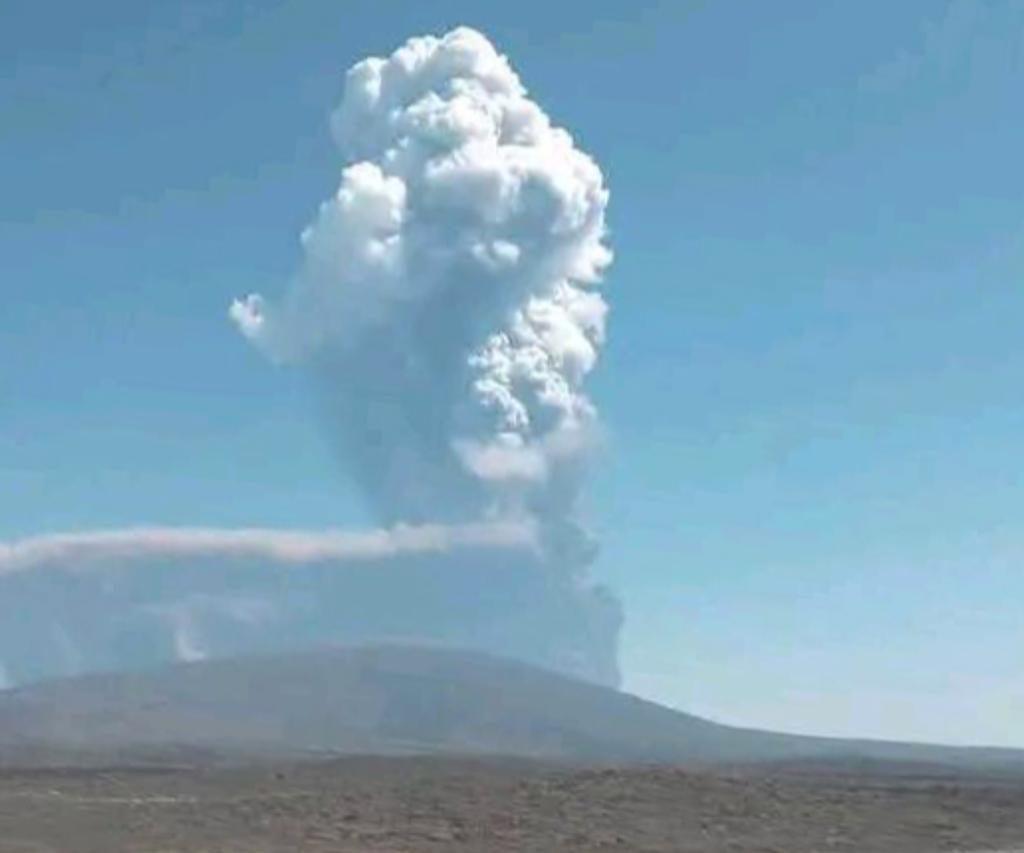
Because the eruption occurred in a remote area, it created an ideal opportunity for researchers. Earth scientist Derek Keir, who happened to be in Ethiopia during the event, collected fresh volcanic ash the following day. These samples will help experts understand what type of magma fueled the eruption and whether Hayli Gubbi has experienced other unrecorded eruptions over the last several thousand years.
This rare event strengthens Ethiopia’s reputation as one of the most fascinating geotourism destinations in Africa. Visitors planning trips to the Danakil Depression, Erta Ale, or the Afar region can expect renewed scientific interest, updated geological studies, and possibly expanded tour routes in the future.
Ethiopia remains a safe and exciting destination, offering unforgettable landscapes shaped by powerful natural forces.
Learn more about travels to the area HERE.
